Sydney's Housing Crisis Response Lags Behind Global Peers, New Analysis Shows
While Melbourne and Vancouver embrace aggressive zoning reforms, Sydney Council remains cautious on high-density development along transport corridors.
While Melbourne and Vancouver embrace aggressive zoning reforms, Sydney Council remains cautious on high-density development along transport corridors.
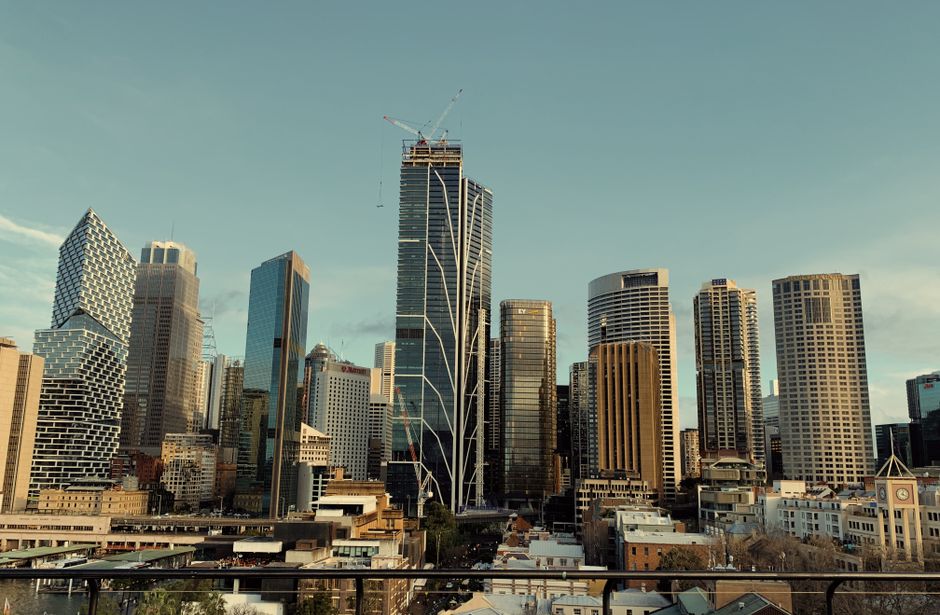
Sydney's approach to its housing affordability crisis is falling behind comparable global cities, according to a new comparative analysis released this week by the Urban Land Institute. While cities like Melbourne, Toronto, and Vancouver have aggressively reformed planning codes to enable medium-density housing, Sydney's local government bodies have adopted a more incremental strategy that experts say risks widening the gap between wages and property prices.
The analysis, which examined policy responses across eight major cities in Australia, Canada, and the UK, found that Sydney Council has approved only 12 percent of proposed rezoning applications for mixed-use development along the Parramatta Road corridor since 2023. By contrast, Melbourne's inner councils approved 43 percent of similar applications, while Vancouver's city planning department fast-tracked 67 percent of comparable projects.
"Sydney is sitting on enormous untapped potential," said Dr. Margaret Chen, the report's lead author. The study highlights Inner West Council's cautious stance on the Marrickville and Enmore precincts, areas that planners argue could accommodate significantly more housing near existing train stations. Current median prices in these neighbourhoods—around $1.2 million for a two-bedroom house—remain stubbornly high despite their proximity to public transport.
Strathfield Council has taken a different tack, approving a 15-year masterplan that would allow up to eight-storey buildings near Strathfield Station. If realised, the plan could deliver 4,000 new homes. Yet even this initiative lags Toronto's Mirvish Village project, which delivered 6,800 residences in a similarly sized precinct over just eight years.
The City of Sydney itself has embraced the 15-minute city concept more enthusiastically, with plans to activate public spaces like Circular Quay and Hyde Park. Yet housing supply remains constrained, with new apartment completions hitting just 8,200 units last year—below the 10,000 annual target recommended by Infrastructure Australia.
Local government representatives defend the cautious approach. "We're balancing heritage preservation with growth," a spokesman for one Inner West Council said. "Sydney's character matters." But the data tells a different story: Vancouver's West End neighbourhood successfully preserved heritage while tripling its housing stock over two decades.
As international investors eye Sydney's market and local renters face weekly price hikes, the question facing residents is whether measured progress will prove adequate. Other cities have already answered: sometimes, faster change is the only sustainable solution.
This article was compiled by AI from the sources linked above and screened before publishing. See our editorial standards.
How does this story make you feel?
Spread the word
About this article
Published by The Daily Sydney
Daily brief
Free, in your inbox before 7am. Weekdays.
More in News