Sydney stands at a pivotal moment in its urban development, with three transformative transport initiatives now entering decisive phases that will fundamentally reshape how the city moves.
The Western Sydney Airport at Badgerys Creek, currently under construction, is approaching a critical inflection point. Originally scheduled to open in 2026, project timelines have shifted, and stakeholders are now debating the staging of ground transport connections. The decision on whether to prioritise the $14 billion Western Sydney Infrastructure Plan—which includes the airport rail line and motorway upgrades—before or after the terminal opens will determine whether the airport becomes a genuine catalyst for western growth or merely another bottleneck.
Equally significant is the future of the Parramatta Light Rail Extension. Stage 2, which would extend from Westmead to Strathfield, has attracted preliminary federal funding commitments, but securing firm state and commonwealth backing remains uncertain. Transport planners acknowledge that without this extension, the existing Stage 1 from Parramatta to Circular Quay risks becoming a regional asset rather than a system-transforming connector. The technology choice—light rail versus bus rapid transit—continues to divide stakeholders along cost and capacity lines.
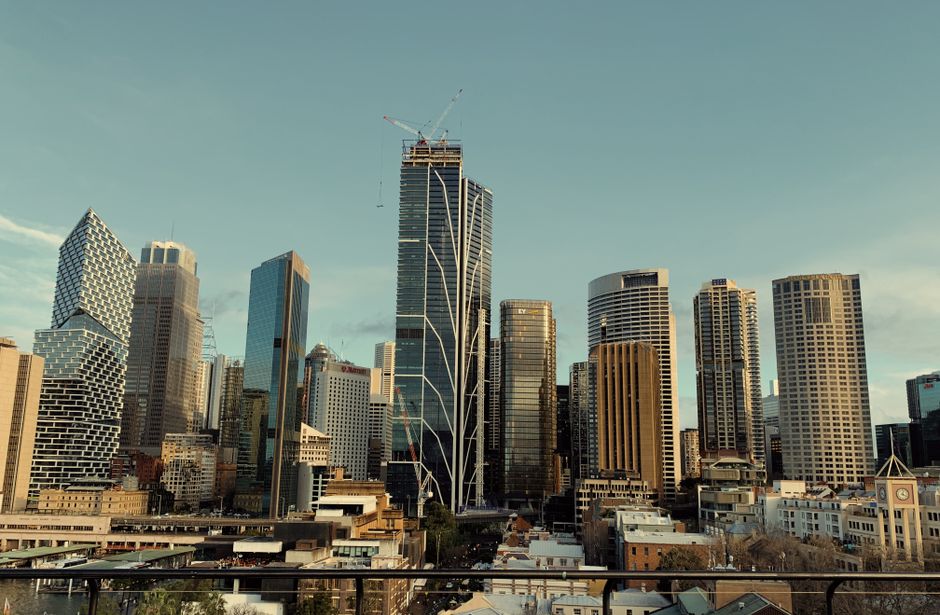
Perhaps most contentious is the unresolved debate around congestion management in the CBD. With Circular Quay redevelopment underway and Sydney's workforce expected to grow by 300,000 by 2040, planners face a fundamental choice: expand car capacity through tunnel infrastructure, or implement congestion pricing modelled on London and Singapore. Early modelling suggests pricing could reduce peak-hour traffic by 15-20 per cent while generating $400-600 million annually for public transport investment—but political appetite remains fragile.
The NSW Government's 30-year vision emphasises growth in Western Sydney and Greater Parramatta, but transport infrastructure has consistently lagged residential development. Analysis from the Committee for Sydney indicates that without coordinated decisions on these three fronts within the next 18 months, the city risks repeating the planning failures that saw housing boom ahead of infrastructure in areas like Penrith and the Central Coast.
The window for decisive action is closing. Construction lead times mean commitments made in 2026 will shape travel patterns through 2050. Whether Sydney's planners seize this moment to integrate transport, housing and employment strategy—or continue managing incremental projects in isolation—will largely determine whether the city thrives or seizes up under its own growth.
This article was compiled by AI from the sources linked above and screened before publishing. See our editorial standards.