news
Paris Confronts a Crisis of Duplicated Public Art: What Happens Next and the Key Decisions Ahead
With thousands of historical images and artworks reproduced across the city's public spaces without proper archival coordination, municipal authorities and cultural institutions face a reckoning over who owns Paris's visual heritage.
How we reported this
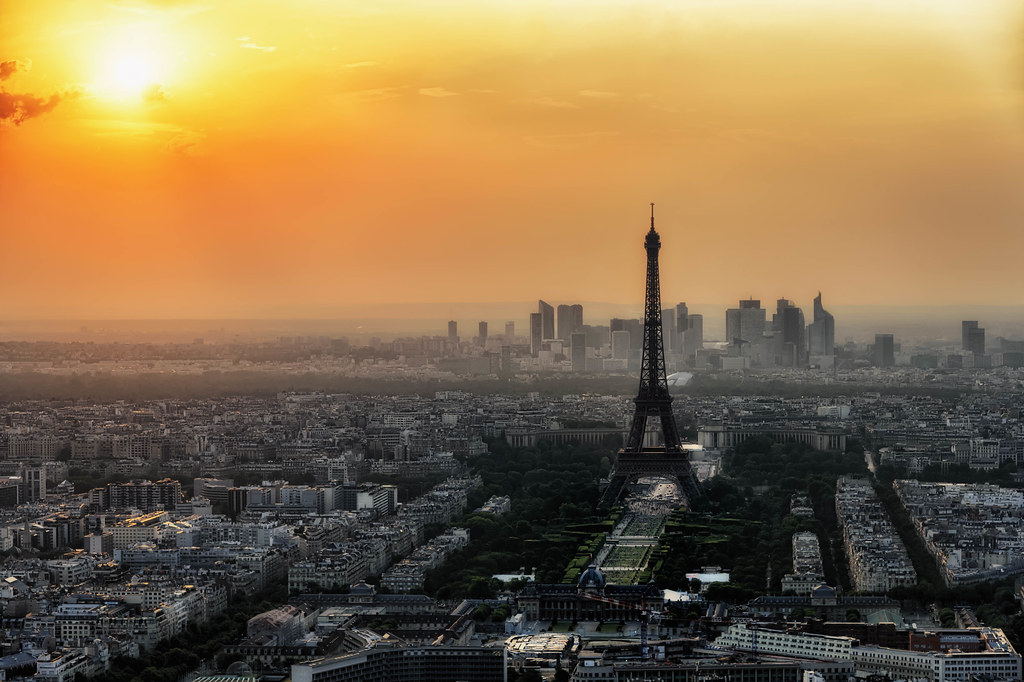
Paris has a duplication problem. Across the city's arrondissements, the same archival photographs, Belle Époque illustrations, and post-war documentary images keep appearing, on tourist information panels in the Marais, on construction hoardings along the Rue de Rivoli, on heritage interpretation boards lining the banks of the Seine near the Pont de l'Alma. Nobody, it seems, has been keeping count. Until now.
The issue has crystallised around a specific administrative pressure point: the Paris 2024 Olympics legacy programme, which triggered a wave of public realm upgrades across the city, from Saint-Denis in the north to the 13th arrondissement's riverside zone in the south. Dozens of contractors, cultural bodies, and municipal agencies commissioned visual materials independently, with little cross-referencing of image libraries. The result is a patchwork of duplicated content that undermines the coherence the city spent billions trying to project.
The Agencies Caught in the Middle
Two institutions sit at the centre of the coming decisions. The first is Paris Musées, the network that manages 14 municipal museums and holds one of the largest publicly accessible image archives in France, with more than 300,000 digitised works. The second is the Bibliothèque historique de la Ville de Paris, based on the Rue de Sévigné in the 4th arrondissement, which maintains photographic and cartographic collections dating back to the 17th century. Both have licensing frameworks, but neither has historically enforced them with the rigour the current situation demands.
The Grand Paris Express construction programme has added pressure. Work sites stretching from Orly to Le Bourget have required thousands of square metres of temporary hoarding, much of it dressed with archival imagery sourced from multiple vendors. Project managers working under the Société du Grand Paris, the public body overseeing the €35 billion metro expansion, have acknowledged the coordination failures in internal reviews, though no public statement has been issued. The duplication compounds existing debates about intellectual property and the right of cultural institutions to monetise collections built from public funds.
At stake is not just aesthetics. When the same image of early 20th-century Belleville appears on a heritage panel in the 20th arrondissement and simultaneously on a commercial hoarding near Gare du Nord, the value of the original archival object is diluted. Curators at Paris Musées have been pushing since 2023 for a centralised image clearance protocol, something comparable to what the Réunion des musées nationaux already operates for national collections, but the proposal has stalled under jurisdictional disagreements between the city's Direction des Affaires Culturelles and the national Culture Ministry on the Rue de Valois.
The Decisions That Cannot Wait
Three questions will define what happens over the next 18 months. First: who holds the master registry? A unified digital catalogue, potentially hosted by Paris Musées under its open-access platform launched in 2020, would allow contractors, architects, and communication agencies to check for duplication before commissioning reproductions. The platform currently hosts around 100,000 freely usable images, but it covers only municipal collections, not the Bibliothèque historique's holdings or those held by the Prefecture.
Second: will the city impose contractual requirements on public procurement? Any contractor working on Seine riverbank regeneration projects or Grand Paris Express hoardings after January 2027 could, in theory, be required to run image selections through a centralised clearance system. The Direction de la Voirie et des Déplacements, which governs Paris's public realm contracts, is reportedly drafting language to that effect, though no formal consultation has yet been announced.
Third: funding. Digitising and cross-referencing the remaining analogue holdings at the Bibliothèque historique on the Rue de Sévigné is estimated by archival professionals to cost several million euros and take at least four years. The city's 2026 cultural budget, approved in February, did not include a dedicated line for this work.
For Parisians, the practical consequence of inaction is continued visual clutter, the same faces, the same streets, the same long-dead moments of the city reproduced until they carry no meaning at all. The decisions taken at the Direction des Affaires Culturelles, at Paris Musées, and inside the Société du Grand Paris boardroom over the coming months will determine whether Paris treats its image archive as a living resource or continues to exhaust it through neglect.