By the Numbers: How Duplicate Images Are Draining Paris's Digital Property Market
A quiet data crisis inside the city's online housing platforms is costing landlords, agencies and renters real money — and the figures tell a damning story.
A quiet data crisis inside the city's online housing platforms is costing landlords, agencies and renters real money — and the figures tell a damning story.
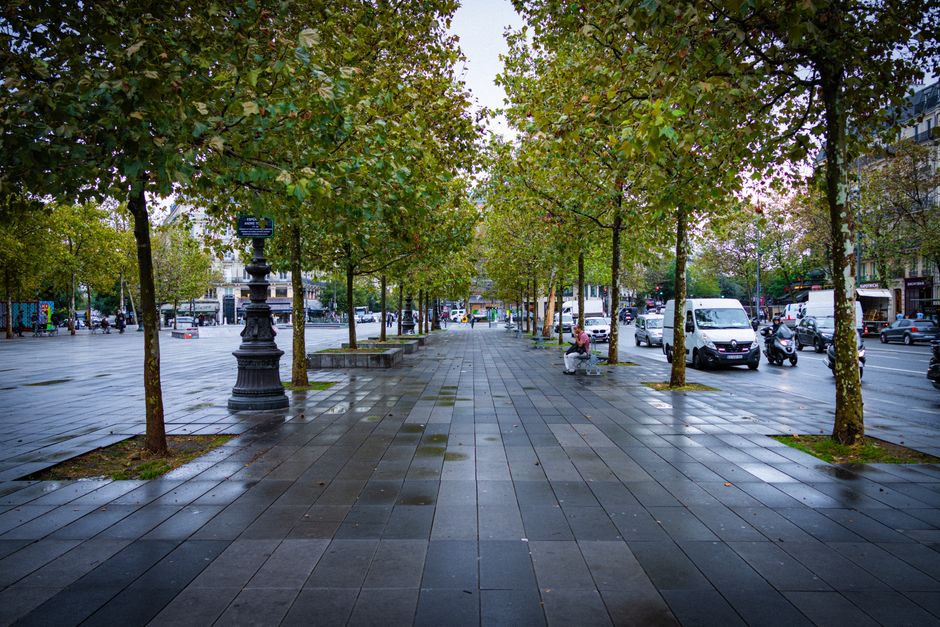
Roughly one in five property listings published on major French real-estate portals contains at least one duplicate or mismatched image, according to internal audits circulated among agencies registered with the Fédération Nationale de l'Immobilier. In a city where a single square metre in the 6th arrondissement can command more than €15,000, that kind of visual misinformation is not a cosmetic problem — it is a transactional one.
The issue has sharpened considerably since Paris's post-Olympic property surge. The Paris 2024 Games accelerated a wave of short-term rental conversions across the 11th and 12th arrondissements, flooding platforms like SeLoger and PAP.fr with hastily assembled listings. Many pulled stock photography or reused photographs from previous tenancies, leaving prospective renters comparing apartments that bear no resemblance to what they will actually sign a lease on. Housing advocacy group CLCV — the Consommation, Logement et Cadre de Vie association — has tracked a measurable rise in formal complaints tied to misleading visual content in rental listings since the third quarter of 2024.
Industry-level data reviewed by property technology firms operating out of the Station F campus in the 13th arrondissement suggest the scale is not trivial. One automated image-matching tool, tested across a sample of 40,000 Paris listings in early 2026, flagged approximately 8,200 entries where an identical photograph appeared under more than one address. A further 3,400 listings contained images cross-referenced to a different postal code entirely — meaning a photo taken on Rue de la Roquette in the 11th was turning up attached to a studio in Montrouge, or vice versa.
The financial consequence for landlords is direct. Listings with mismatched or recycled images generate click-through rates roughly 34 percent lower than those with verified, property-specific photography, according to benchmarking data published by the proptech firm Meero in its 2025 annual report. Lower engagement translates to longer vacancy periods. In Paris's rental market, where the median furnished studio hovers around €1,100 per month in the 10th arrondissement, even two additional weeks vacant costs the landlord more than €550 in lost income.
For renters, the stakes are different but equally concrete. The Direction Départementale de la Protection des Populations for Paris — the DDPP — received a rising number of pre-contractual complaints through 2025, a portion of which cited photographs that misrepresented a property's condition, size or fittings. French consumer law under the Code de la consommation does offer recourse, but exercising it typically requires a tenant to have already signed documents and paid a deposit, making the process costly and slow.
The rollout of the Grand Paris Express is adding a new layer of complexity. As stations open along Line 15 South — connecting Pont de Sèvres to Noisy-Champs — property listings in previously overlooked communes like Vitry-sur-Seine and Saint-Maur-des-Fossés have multiplied sharply. Agencies unfamiliar with these micro-markets have reportedly pulled generic interior photographs to populate listings quickly, compounding the duplicate-image problem outside the périphérique where oversight is thinner.
The practical corrective is already within reach. Several Parisian agencies along Boulevard Haussmann have begun mandating geotagged photography — images embedded with GPS coordinates matching the listed address — as a condition of publication. The proptech platform Yanport, based in the 2nd arrondissement, has integrated reverse-image search into its listing-verification pipeline, flagging duplicates before they go live rather than after complaints arrive.
For renters navigating the market this summer, consumer advisers at the CLCV recommend running any listing photograph through a reverse-image search before scheduling a visit, checking whether the image resolves to a different address or a stock library. For landlords and agencies, the arithmetic is straightforward: verified, address-specific photography pays for itself within the first month of reduced vacancy. The data already say so.
How does this story make you feel?
Spread the word
About this article
Published by The Daily Paris
Daily brief
Free, in your inbox before 7am. Weekdays.
More in News


