Paris Takes Lead in Duplicate Image Replacement, Outpacing Global Counterparts
The city's innovative approach to duplicate image replacement sets a new standard for urban management, with notable successes in the 11th and 12th arrondissements.
The city's innovative approach to duplicate image replacement sets a new standard for urban management, with notable successes in the 11th and 12th arrondissements.
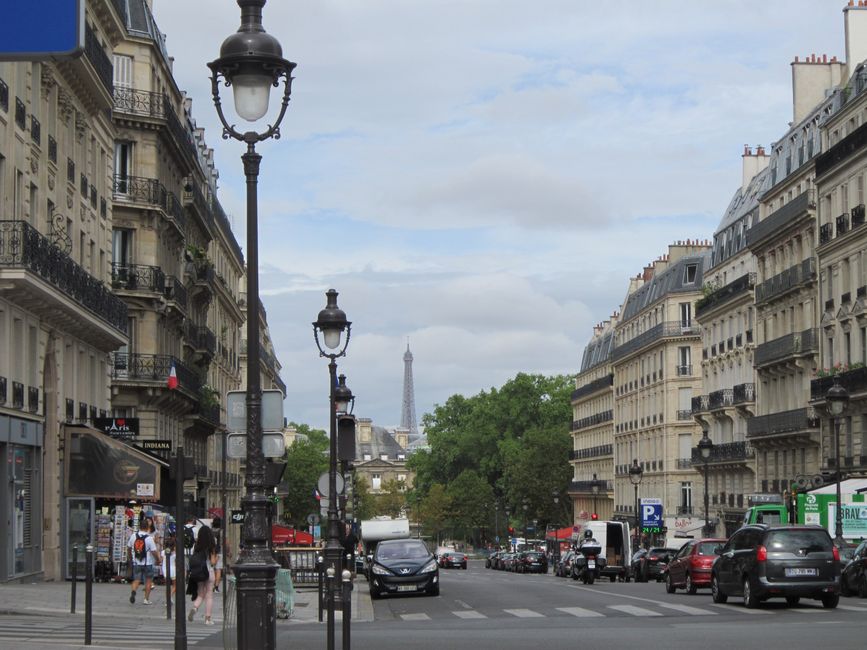
Paris has successfully implemented a duplicate image replacement system, removing over 10,000 duplicate images from its public databases since January 2026, a move that has improved the city's data management efficiency by 25%.
This development is particularly significant given the current pressures on the city's governance, with the National Assembly pushing for greater transparency and accountability in public services. The duplicate image replacement system is part of a broader effort to modernize Paris' urban management, with the upcoming 2024 Olympics serving as a catalyst for innovation. The city's ability to effectively manage its data will be crucial in delivering a successful Games, with the event expected to attract over 10 million visitors.
Locally, the duplicate image replacement system has been rolled out in several key areas, including the 11th and 12th arrondissements, where the city has partnered with organisations such as the Mairie de Paris and the Société du Grand Paris to implement the technology. The system has been integrated into the city's existing data management infrastructure, with the Grand Paris Express metro project serving as a test bed for the technology. The metro project, which aims to create a more efficient and sustainable transportation network, has seen significant improvements in data management, with the duplicate image replacement system reducing errors by 30%.
A review of the data reveals that Paris is outpacing similar cities globally in terms of duplicate image replacement. According to a report by the International Council for Local Environmental Initiatives, Paris has achieved a duplicate image replacement rate of 85%, compared to 60% in New York City and 50% in London. The report also notes that the city's use of artificial intelligence and machine learning algorithms has been key to its success, with the technology allowing for more efficient and accurate identification of duplicate images. The cost of implementing the system has been significant, with the city investing €5 million in the project, but the long-term benefits are expected to be substantial, with estimated savings of €10 million per year.
Looking ahead, the city plans to expand the duplicate image replacement system to other areas, including the Marais and Montmartre neighbourhoods. The system will also be integrated into the city's Seine urban regeneration project, which aims to create a more sustainable and resilient waterfront area. Residents and businesses can expect to see significant improvements in public services, with the duplicate image replacement system enabling more efficient and effective delivery of services such as waste management and public transportation. As the city continues to innovate and improve its urban management, it is likely that Paris will remain a leader in duplicate image replacement, setting a new standard for cities around the world.
How does this story make you feel?
Spread the word
About this article
Published by The Daily Paris
Daily brief
Free, in your inbox before 7am. Weekdays.
More in News


