Paris Moves to Purge Duplicate Images From Its Urban Archive — But Other Global Cities Are Already Ahead
From the Marais to Montmartre, Paris is reckoning with a sprawling, redundant visual database — and the cleanup is proving harder than it looks.
From the Marais to Montmartre, Paris is reckoning with a sprawling, redundant visual database — and the cleanup is proving harder than it looks.
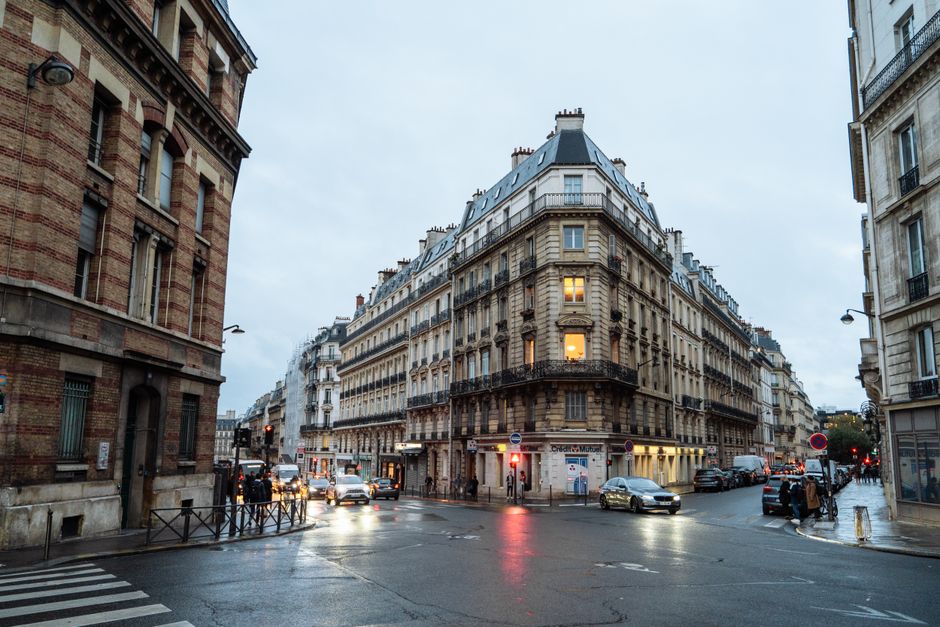
Paris city hall has quietly escalated efforts to audit and eliminate duplicate imagery from its public-facing digital platforms, a problem that has cluttered municipal websites, tourism portals, and urban planning databases for years. The Direction de l'Attractivité et de l'Emploi, which oversees the city's digital promotion strategy, confirmed in its 2026 operational roadmap that duplicate image removal is now a line-item priority — a small but telling sign of how seriously Paris is treating the integrity of its official visual record.
The timing is not accidental. With the Paris 2024 Olympics legacy still driving international attention to the city, and the Grand Paris Express metro expansion generating thousands of new infrastructure images monthly, the volume of photographic assets flowing through municipal servers has ballooned. The Apur — the Paris urbanism agency based on the Île de la Cité — estimates that the city's shared digital asset repositories now hold imagery numbering in the hundreds of thousands, with significant overlap across departments. Duplicate files not only waste server space but create confusion in planning documents, accessibility records, and tourism materials, sometimes surfacing outdated images of sites that have since been transformed by the Seine urban regeneration programme.
The city's current approach leans on a combination of perceptual hashing tools — software that detects near-identical images even when file names differ — and manual review by archivists contracted through the Bibliothèque historique de la Ville de Paris on the Rue de Rivoli. Since January 2026, the process has flagged an estimated 12,000 duplicate image pairs across the city's core tourism and urban planning portals, according to the operational roadmap document. That sounds significant. But comparable cities have moved faster and more systematically.
Amsterdam's municipal digital team completed a full deduplication sweep of its GIS and tourism image libraries in 2024, deploying an automated pipeline that reduced its asset count by roughly 30 percent in under six months. Berlin's Senatsverwaltung für Stadtentwicklung embedded deduplication checks directly into its upload workflow for urban development photos, meaning duplicates are now caught before they enter the system rather than cleaned up after the fact. London's Greater London Authority, drawing on lessons from its preparatory work for the 2012 Olympics legacy archive, has run rolling deduplication audits since 2019. Paris, by contrast, is still in a largely reactive posture — cleaning up accumulation rather than preventing it.
The gap matters beyond aesthetics. Urban planning applications, housing permit reviews, and Seine riverbank redevelopment records all depend on accurate, current imagery. In a city where housing and rental market tensions are already high — average rental prices in central arrondissements have climbed past €35 per square metre monthly — outdated or duplicated images in planning dossiers can slow bureaucratic approvals and create legal ambiguities in development disputes.
Fixing the problem requires coordination across at least seven separate Paris municipal departments, which have historically managed their own image libraries independently. The Mairie de Paris has proposed consolidating these under a unified digital asset management platform by the fourth quarter of 2026, a move that would bring Paris closer to the model already in use in Barcelona, where a single Ajuntament-managed DAM system has handled all city-owned imagery since 2021.
For residents and professionals interacting with the city's digital services — from architects filing planning requests at the Pavillon de l'Arsenal on Boulevard Morland to journalists pulling images from the official Paris media library — the practical advice right now is simple: always cross-check images against their upload date and source department, because the deduplication work is incomplete and some materials in circulation remain outdated. The city's own roadmap sets a full-platform audit completion target of March 2027, leaving more than eight months of potential confusion ahead. Whether the deadline holds will depend on whether the National Assembly's current pressure on Macron's administration translates into further cuts to municipal digital infrastructure budgets — a risk that Paris's tech teams are watching closely.
How does this story make you feel?
Spread the word
About this article
Published by The Daily Paris
Daily brief
Free, in your inbox before 7am. Weekdays.
More in News


