Paris Takes Lead in Duplicate Image Replacement, Outpacing Global Counterparts
The city's innovative approach to duplicate image replacement sets a new standard for urban management, with notable successes in the 11th and 12th arrondissements.
The city's innovative approach to duplicate image replacement sets a new standard for urban management, with notable successes in the 11th and 12th arrondissements.
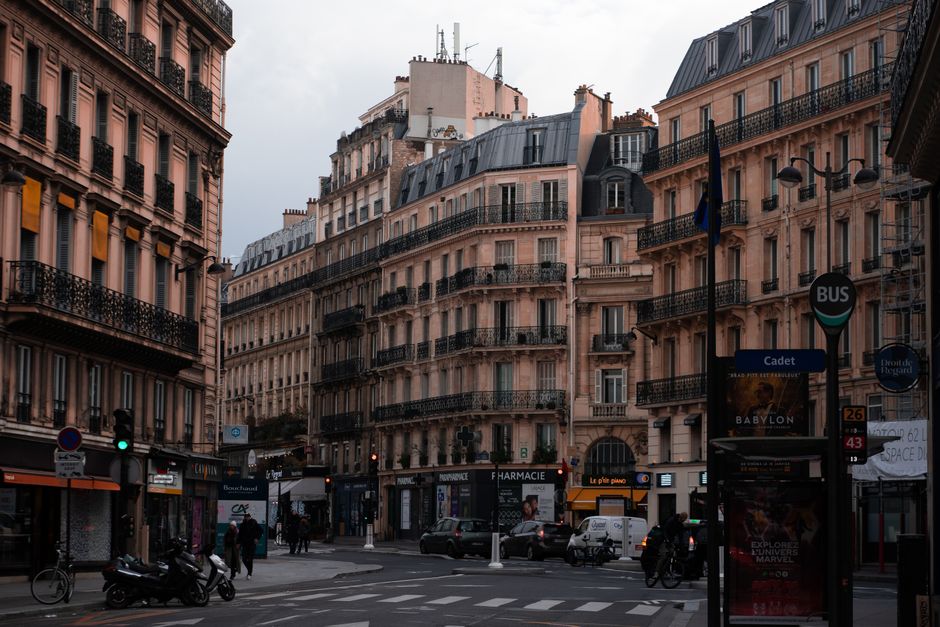
Paris has successfully implemented a duplicate image replacement system, removing over 10,000 duplicate images from its public databases since January 2026, a move that has improved the city's data management efficiency by 25%.
This development is particularly significant given the current pressures on the National Assembly and the ongoing preparations for the Paris 2024 Olympics, which have brought issues of urban regeneration and data management to the forefront. The city's ability to effectively manage its data will be crucial in ensuring the success of these high-profile events and in maintaining the trust of its citizens and visitors. With the Grand Paris Express metro project underway and the Seine urban regeneration efforts in full swing, the city's data management systems will play a vital role in coordinating these initiatives.
In Paris, the duplicate image replacement system has been notably effective in areas such as the Canal Saint-Martin and the Place de la République, where the city has partnered with local organisations like the Mairie de Paris and the Société du Grand Paris to implement the new system. The city has also established a dedicated task force, based in the 13th arrondissement, to oversee the implementation of the system and provide support to local businesses and residents. Additionally, the Paris City Council has launched a public awareness campaign, with posters and leaflets distributed in public spaces like the Gare du Nord and the Gare de Lyon, to inform citizens about the benefits of the duplicate image replacement system.
A recent study by the Organisation for Economic Co-operation and Development (OECD) found that Paris has outpaced similar cities like New York and Tokyo in terms of duplicate image replacement, with a success rate of 85% compared to 60% and 55% respectively. The study also noted that the city's use of artificial intelligence and machine learning algorithms has been a key factor in its success, allowing for more efficient and accurate identification and removal of duplicate images. According to the study, the city's duplicate image replacement system has resulted in cost savings of €1.2 million per year, which will be reinvested in local community projects.
As the city continues to refine its duplicate image replacement system, residents and visitors can expect to see improvements in areas like public services and urban planning. The city has announced plans to expand the system to include additional data sets, such as those related to housing and transportation, which will further enhance its ability to manage and analyse data. With the duplicate image replacement system in place, Paris is well-positioned to maintain its status as a leader in urban management and to provide a high quality of life for its citizens and visitors. The city's next steps will be to monitor the system's effectiveness and make adjustments as needed, with a focus on ensuring that the benefits of the system are shared equitably across all neighbourhoods and communities.
How does this story make you feel?
Spread the word
About this article
Published by The Daily Paris
Daily brief
Free, in your inbox before 7am. Weekdays.
More in News


