Paris Faces Critical Juncture: What Happens Next and the Key Decisions Ahead
As the city navigates multiple challenges, from the Grand Paris Express to housing market tensions, the next few months will be crucial in shaping the city's future.
As the city navigates multiple challenges, from the Grand Paris Express to housing market tensions, the next few months will be crucial in shaping the city's future.
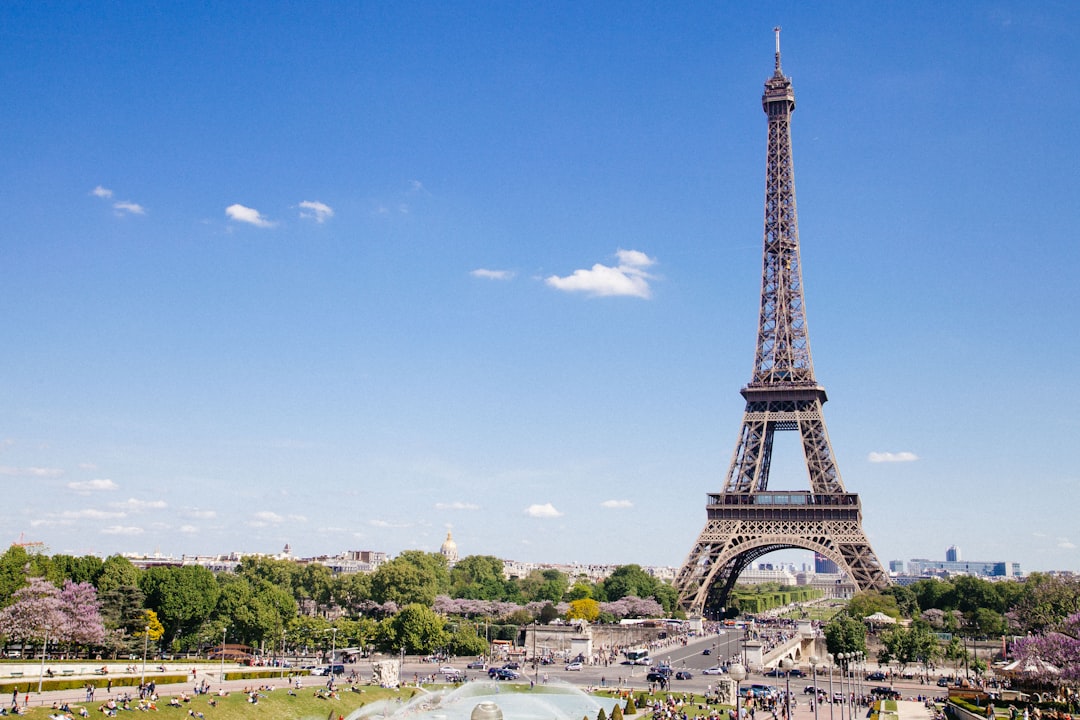
The French capital is at a crossroads, with several major projects and initiatives reaching critical stages. The Grand Paris Express, a €35 billion metro expansion project, is slated to open its first lines in 2026, while the city is also preparing to host the 2024 Olympics, with a legacy activation plan aimed at promoting sustainable development and social cohesion.
These developments matter now because they will have a lasting impact on the city's infrastructure, economy, and social fabric. The National Assembly's pressure on Macron's second-term governance has created an environment where every decision is scrutinized, and the city's residents are eager to see tangible results. The Seine urban regeneration project, which aims to revitalize the riverbanks and create new public spaces, is a prime example of the city's efforts to balance development with community needs.
In specific neighborhoods like Montmartre and Belleville, the effects of gentrification are being felt, with rising housing prices and rents forcing long-time residents to seek alternative accommodations. The city's housing market tension is a major concern, with the average rent for a one-bedroom apartment in the 11th arrondissement reaching €1,200 per month, according to data from the Paris Chamber of Commerce. Organisations like the Paris Housing Authority and the non-profit association, Fondation Abbé Pierre, are working to address these issues, with initiatives like the rental subsidy program, Aide personnalisée au logement (APL), which provides financial assistance to low-income households.
According to a report by the Île-de-France Regional Council, the region's population is expected to grow by 10% by 2030, putting additional pressure on the city's infrastructure and services. The Grand Paris Express project aims to address this challenge by increasing the metro network's capacity by 40%, with 200 kilometers of new lines and 68 new stations. However, the project's cost has risen by 20% since its inception, and the city must now decide how to allocate resources and prioritize investments. The average cost of a square meter of housing in Paris has risen to €10,000, making it difficult for first-time buyers to enter the market.
As the city moves forward, the key decisions ahead will focus on balancing development with social and environmental concerns. The Paris City Council must decide how to allocate the €1.5 billion budget for the 2024 Olympics legacy activation plan, with a focus on promoting sustainable development and social cohesion. The city must also address the suburban inequality and banlieue politics, with initiatives like the Grand Paris project aimed at promoting economic development and social inclusion in the outer suburbs. Residents and stakeholders can expect a series of public consultations and debates in the coming months, as the city seeks to build a consensus on the way forward.
How does this story make you feel?
Spread the word
About this article
Published by The Daily Paris
Daily brief
Free, in your inbox before 7am. Weekdays.
More in News


