Paris Officials and Experts Weigh In on Duplicate Image Replacement
City leaders and specialists share their perspectives on the emerging issue of duplicate image replacement in the context of Paris' urban development and digital transformation.
City leaders and specialists share their perspectives on the emerging issue of duplicate image replacement in the context of Paris' urban development and digital transformation.
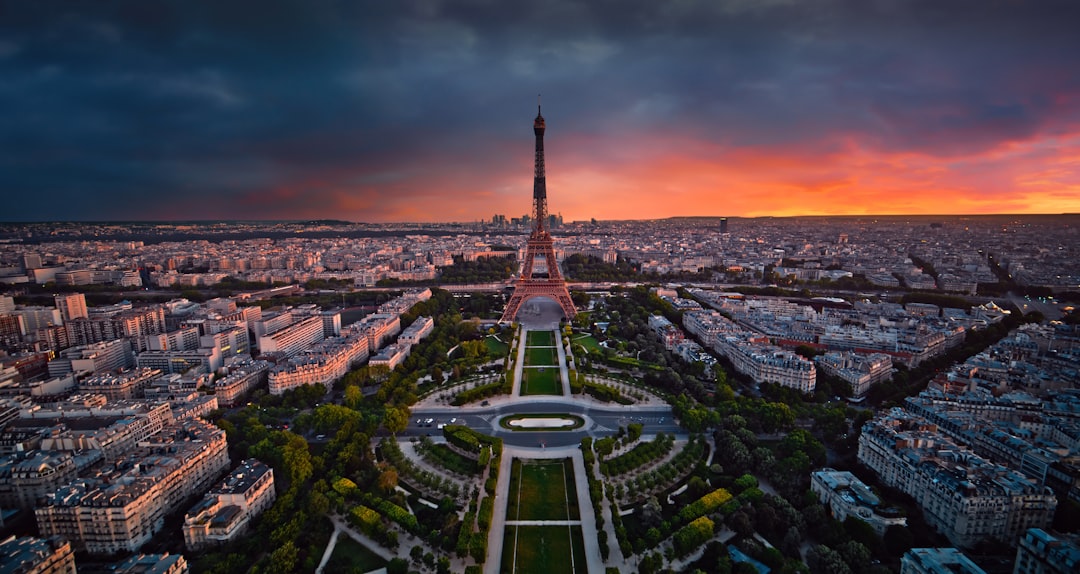
According to recent reports, duplicate image replacement has become a pressing concern in Paris, with officials and experts calling for increased awareness and action to address the issue. The problem, which involves the unauthorized use of identical or near-identical images in various contexts, has significant implications for the city's digital landscape and urban development.
The issue of duplicate image replacement matters now because Paris is in the midst of a major urban regeneration effort, with the Seine riverbank redevelopment and the Grand Paris Express metro project underway. The city is also preparing to host the 2024 Olympics, which will bring international attention and scrutiny to its digital infrastructure and urban planning. As such, officials and experts are keen to ensure that the city's digital and physical environments are aligned and that the risks associated with duplicate image replacement are mitigated.
In the 11th arrondissement, the trendy Oberkampf neighborhood is home to a number of startups and tech companies that are working on solutions to the duplicate image replacement problem. The nearby Canal Saint-Martin, a popular tourist destination, is also an area of focus, with the city's tourism board working to ensure that the area's digital presence is accurate and up-to-date. The Paris City Council has established a working group to address the issue, which includes representatives from the city's urban planning department, the Paris Convention and Visitors Bureau, and the French National Center for Scientific Research (CNRS).
According to data from the Paris City Council, the number of reported cases of duplicate image replacement has increased by 25% in the past year, with the majority of cases involving images of the city's landmarks and tourist attractions. The council has also reported that the average cost of resolving a duplicate image replacement issue is around €5,000, which can be a significant burden for small businesses and individuals. Dr. Marie-Hélène Bourrier, a researcher at the CNRS, notes that the issue is not limited to Paris, but is a global problem that requires a coordinated response.
In terms of what happens next, officials and experts agree that increased awareness and education are key to addressing the duplicate image replacement issue. The city's tourism board is planning to launch a public awareness campaign in the coming months, which will include workshops and training sessions for businesses and individuals. The Paris City Council is also working to develop new guidelines and regulations for the use of images in the city's digital environment. As the city continues to evolve and grow, it is likely that the issue of duplicate image replacement will remain a pressing concern, and officials and experts will need to remain vigilant and proactive in their efforts to address it.
How does this story make you feel?
Spread the word
About this article
Published by The Daily Paris
Daily brief
Free, in your inbox before 7am. Weekdays.
More in News


