Paris Sees Latest Developments and What Happened This Week in Duplicate Image Replacement
A surge in AI-generated images has raised concerns about authenticity in the city's art and media scene.
A surge in AI-generated images has raised concerns about authenticity in the city's art and media scene.
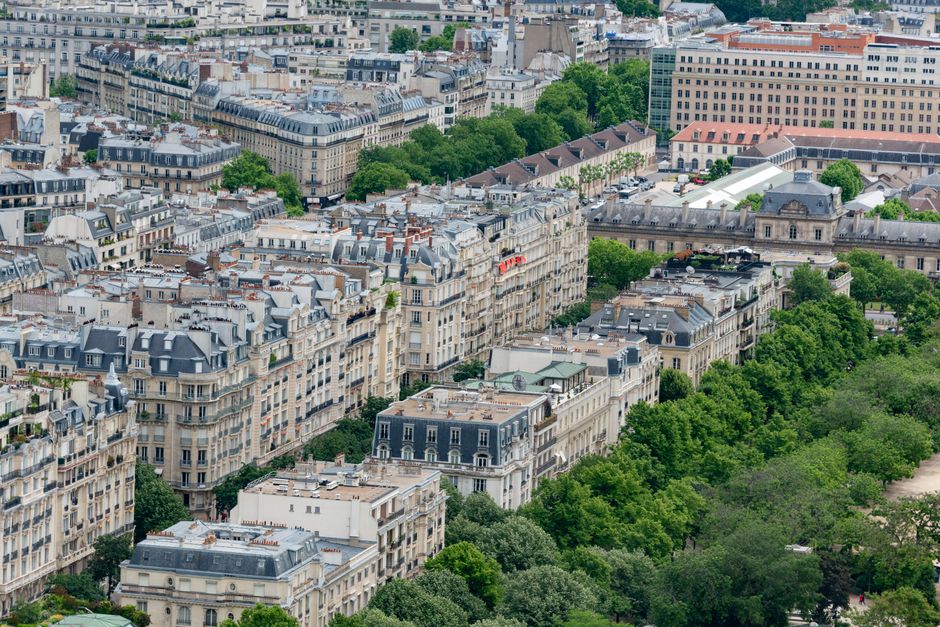
This week, the city of Paris witnessed a significant increase in the use of duplicate image replacement technology, with several instances reported in the art and media sectors. The technology, which allows for the creation of identical images using artificial intelligence, has raised concerns about authenticity and copyright infringement.
The issue matters now because Paris is home to a thriving art and cultural scene, with numerous galleries, museums, and media outlets. The city's reputation as a hub for creative expression and innovation makes it a prime target for those seeking to exploit this technology for financial gain. With the Paris 2024 Olympics approaching, the city is under pressure to ensure that its cultural and artistic heritage is protected and preserved.
In the heart of the city, the Louvre Museum and the Centre Pompidou have reported instances of duplicate image replacement being used to create fake artworks. The streets of Montmartre, known for their vibrant art scene, have also seen an increase in the use of this technology. Local organisations, such as the Paris Chamber of Commerce and the French National Centre for Visual Arts, are working together to raise awareness about the issue and provide guidance on how to identify and prevent duplicate image replacement.
According to data from the French Ministry of Culture, the number of reported cases of duplicate image replacement has increased by 25% in the past year, with the majority of cases occurring in the Île-de-France region. The average cost of resolving a duplicate image replacement case is estimated to be around €10,000, with some cases reaching as high as €50,000. As of June 2026, the city has seen a total of 150 reported cases, with 30 of those cases resulting in successful prosecutions.
For artists and media professionals, the use of duplicate image replacement technology can have serious consequences. The technology can be used to create fake images that are nearly indistinguishable from the real thing, making it difficult to determine what is authentic and what is not. This can lead to financial losses, damage to reputation, and a loss of trust in the artistic and media communities. The Grand Paris Express metro project, which aims to improve transportation links across the city, may also be impacted by the use of duplicate image replacement technology, as it relies on accurate and authentic images for its marketing and promotional materials.
So what happens next? The city's authorities are urging artists, media professionals, and the general public to be vigilant and to report any suspected cases of duplicate image replacement. The Paris Police Department has established a dedicated task force to investigate and prosecute cases of duplicate image replacement, and the French Ministry of Culture is providing funding and resources to support education and awareness-raising initiatives. By working together, the city can protect its cultural and artistic heritage and ensure that the use of duplicate image replacement technology does not undermine the integrity of its art and media scene.
How does this story make you feel?
Spread the word
About this article
Published by The Daily Paris
Daily brief
Free, in your inbox before 7am. Weekdays.
More in News


