Paris Faces Key Decisions on Duplicate Image Replacement Across Its Public Estate
From Haussmann-era facades to Grand Paris Express hoardings, the city must now choose what replaces the images it removes — and who decides.
From Haussmann-era facades to Grand Paris Express hoardings, the city must now choose what replaces the images it removes — and who decides.
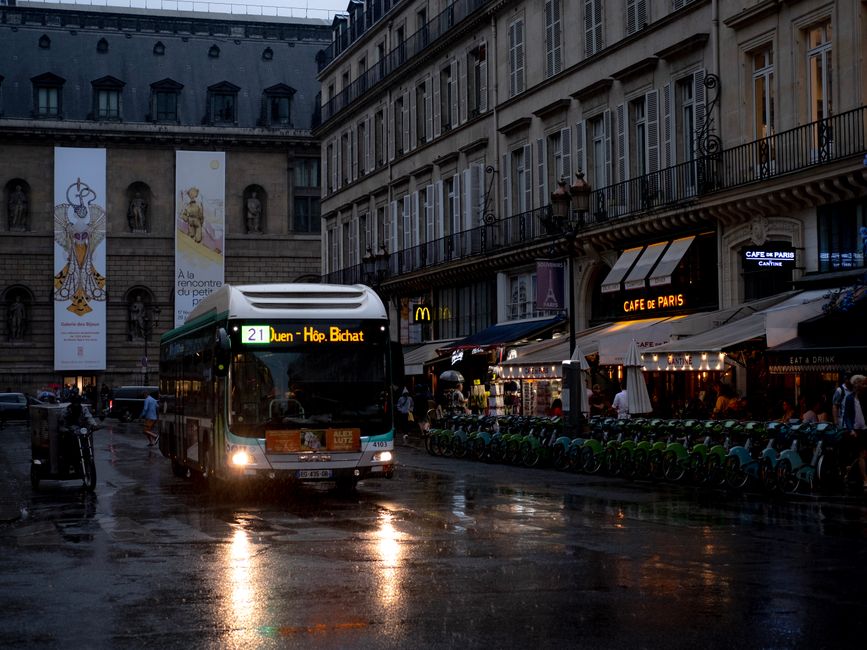
Paris city hall has reached a crossroads over the management and replacement of duplicate images — reproduced photographs, murals and graphic panels — spread across public buildings, transport infrastructure and cultural venues throughout the capital. The question now is not whether they get replaced, but how, by whom, and at what cost to taxpayers already watching the municipal budget under a microscope.
The issue has sharpened because of two converging pressures. The post-2024 Olympics legacy programme, which committed to upgrading the visual identity of public spaces across all 20 arrondissements, is now entering its implementation phase after two years of planning. At the same time, the Grand Paris Express — the largest urban transit project in Europe, with 200 kilometres of new metro lines scheduled for staged opening through 2030 — is generating thousands of square metres of hoarding, station interiors and platform graphic space that require coordinated image policies from the outset.
The two institutions sitting at the centre of the debate are the Mairie de Paris and Île-de-France Mobilités, the regional transport authority that oversees Grand Paris Express rollout. Their mandates do not always align. The Mairie has pushed for a neighbourhood-first approach, prioritising local artists and community consultation — a model trialled along the Canal Saint-Martin corridor in the 11th arrondissement during 2025. Île-de-France Mobilités, responsible for station environments at new stops including those serving Saint-Denis Pleyel and Rosny-Bois-Perrier, tends toward standardised visual frameworks across the network.
At street level, the tensions are visible. Along Boulevard de la Villette in the 19th arrondissement, several large-format reproduction photographs installed as part of a 2022 urban renewal scheme have faded beyond acceptable quality thresholds and are now flagged for replacement. The question of whether replacements should be original commissions, licensed reprints or open-call submissions from local photographers has been sitting with a Mairie working group since February.
The stakes are financial as well as aesthetic. Replacing a single large-format exterior panel on a public building in Paris currently runs between €4,000 and €12,000 depending on surface preparation, materials and installation requirements, according to procurement frameworks published by the Direction des Affaires Culturelles de Paris in 2025. Multiply that across dozens of sites and the numbers compound quickly — particularly under a city budget that the Mairie acknowledged last autumn was under pressure from rising debt-service costs.
Three decisions will define the shape of the replacement programme before the end of 2026. First, the Mairie's Commission du Patrimoine is expected to rule by September on whether duplicated images in classified or protected streetscapes — including parts of the Marais and the 6th arrondissement near the Jardin du Luxembourg — require the same consultation process as structural alterations. That ruling would set a precedent affecting hundreds of sites.
Second, Île-de-France Mobilités has a procurement window open until 31 October for visual content contracts covering the first tranche of Grand Paris Express stations opening in 2027. Organisations bidding for those contracts will be shaping what hundreds of thousands of daily commuters see from day one.
Third, and less discussed, the Seine-Saint-Denis département is pressing for its own inclusion in any framework agreement. Suburban communes north of Paris — including Aubervilliers and La Courneuve, both directly served by new metro infrastructure — have historically been left out of city-level cultural procurement, and local elected officials have been explicit that they want that changed this time around.
For Parisians watching this play out, the practical upshot is straightforward: the images on public walls, station platforms and municipal buildings are going to change over the next two to three years on a scale not seen since the lead-up to the 2024 Games. Whether those changes reflect coherent artistic vision, open community input or the path of least administrative resistance will depend almost entirely on decisions made in the next six months — before momentum slips and budgets get allocated elsewhere.
How does this story make you feel?
Spread the word
About this article
Published by The Daily Paris
Daily brief
Free, in your inbox before 7am. Weekdays.
More in News


