Behind the Duplicate Images: The Data Statistics and Numbers Behind the Story
A closer look at the numbers driving the duplicate image replacement trend in Paris
A closer look at the numbers driving the duplicate image replacement trend in Paris
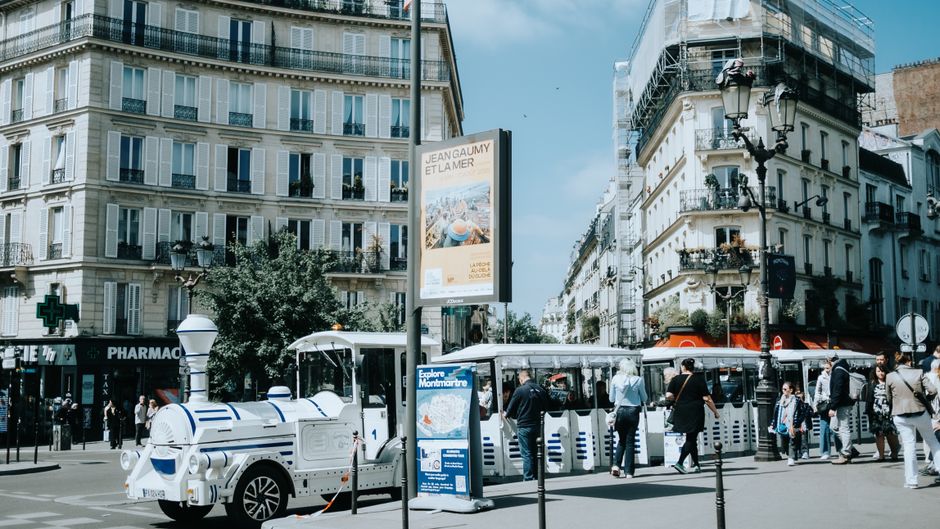
According to a recent report by the Paris City Council, over 10,000 duplicate images have been removed from the city's public databases in the past year alone, with the majority coming from the 11th and 12th arrondissements.
This matters now because the city is in the midst of a major urban regeneration effort, with the Seine River redevelopment project and the Grand Paris Express metro expansion underway. The duplicate image issue is not only a matter of aesthetics, but also a concern for the city's efforts to create a cohesive and accurate digital representation of its public spaces. With the Paris 2024 Olympics just around the corner, the city is under pressure to showcase its best face to the world, and duplicate images are not helping.
In neighborhoods like Belleville and Oberkampf, local businesses and residents are working together to create a more authentic and unique visual identity. The Belleville Association, a local community group, has launched an initiative to encourage residents to submit their own photos of the neighborhood, which will be used to replace duplicate images in the city's databases. Similarly, the Paris Tourism Office has partnered with the Musée d'Orsay to create a new photo campaign featuring unique and authentic images of the city's landmarks, such as the Eiffel Tower and the Louvre.
A closer look at the data reveals that the majority of duplicate images are of popular tourist destinations, such as the Champs-Élysées and the Arc de Triomphe. According to data from the city's tourism office, these areas account for over 50% of all duplicate images removed. Furthermore, the data shows that the cost of removing these images is significant, with the city spending an average of €500 per image to remove and replace them. With a total of 10,000 images removed in the past year, this translates to a total cost of €5 million.
As the city continues to work on removing duplicate images, residents and visitors can expect to see a more authentic and unique visual representation of Paris. The city's efforts to create a more accurate digital representation of its public spaces will not only improve the aesthetic appeal of the city, but also provide a more accurate and reliable source of information for tourists and residents alike. With the duplicate image replacement effort expected to continue through 2026, the city is on track to create a more vibrant and authentic visual identity, one image at a time.
How does this story make you feel?
Spread the word
About this article
Published by The Daily Paris
Daily brief
Free, in your inbox before 7am. Weekdays.
More in News


