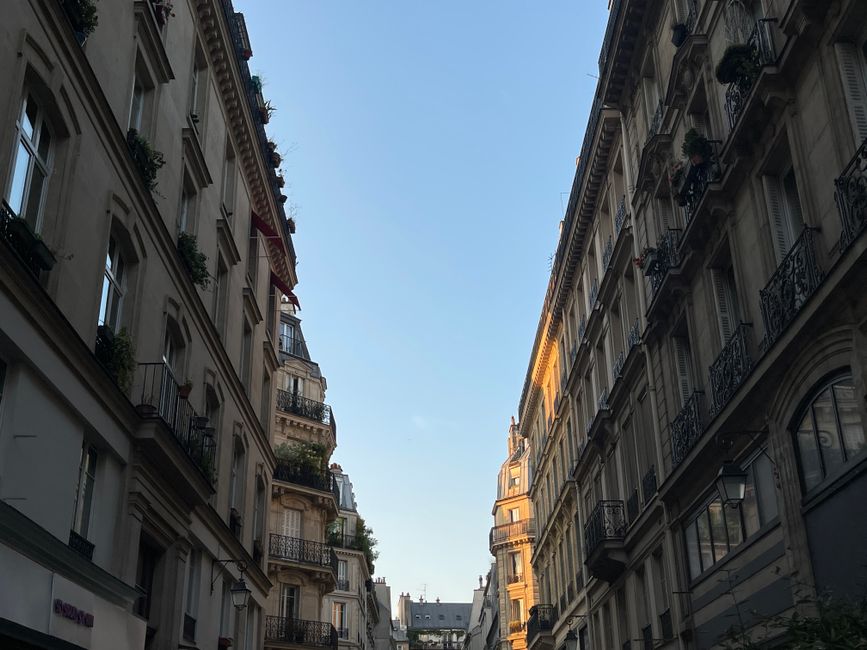
More than one in five rental listings posted on major French property platforms between January and June 2026 contained at least one duplicate or recycled image, according to analysis circulated this spring by the digital property watchdog Observatoire des Plateformes Immobilières. The figure covers listings across the Île-de-France region, but the concentration is sharpest inside the Paris périphérique, where housing stock turns over fast and demand from students, young professionals and relocating workers keeps landlords perpetually in the driving seat.
The timing matters. Paris's rental market has been under institutional scrutiny since the city's encadrement des loyers — rent-cap — regime was tightened in late 2024 following the Olympics period. Enforcement depends, in part, on accurate photographic evidence that a flat matches what was advertised. When images are duplicated across multiple listings, or lifted from an earlier tenancy, inspectors at the Direction Régionale et Interdépartementale de l'Hébergement et du Logement — DRIHL — find it harder to cross-reference a physical property against its digital footprint. Duplicate imagery is not merely an aesthetic irritant; it is a compliance gap with financial consequences for renters who sign leases on the basis of misleading visuals.
Where the Problem Concentrates
The 18th arrondissement and the stretch of the 13th around the Bibliothèque François-Mitterrand have emerged as particular hotspots in the platform data. In those zones, listings turnover on platforms such as SeLoger and PAP can exceed 40 new postings per week during September's student rush. Speed creates sloppiness: landlords or their managing agents copy images from a previous listing of the same flat — sometimes from a tenancy two or three years old — and publish them without updating for repaints, furniture changes or structural alterations. The result is that a renter touring a studio on Rue de la Goutte d'Or may find walls a different colour and a kitchen that has been stripped to bare MDF since the photographs were taken.
The Grand Paris Express construction corridor compounds matters. Neighbourhoods around future stations — Saint-Denis Pleyel, Bagneux, and Vitry-sur-Seine — are seeing speculative rental listings created months before units are even finished. Image databases from older, comparable flats get recycled wholesale into new listings. The Agence Nationale pour l'Information sur le Logement, ANIL, flagged this pattern in its quarterly bulletin published in April 2026, noting that repeated-image clusters in peri-urban zones made accurate rent-level tracking harder for both tenants and officials.
What the Data Actually Shows
Cross-platform duplication rates tell a more granular story. Internal reverse-image scanning conducted by one major aggregator — details of which were shared at an industry roundtable held at the Pavillon de l'Arsenal in the 4th arrondissement in May 2026 — found that roughly 14 percent of images used in Paris intra-muros listings in the first quarter of this year had appeared in at least one other active listing simultaneously. A further 8 percent matched images from listings that had been taken down within the previous 18 months. That combined 22 percent figure tracks closely with the OPI estimate.
Average rents for furnished studios in the affected arrondissements currently sit between €950 and €1,350 per month, according to publicly available Clameur index data for 2025. A tenant who signs at the top of that range on the basis of a listing that shows a renovated kitchen — photographed during a 2022 tenancy — and arrives to find a tired 2018 fit-out has limited immediate legal recourse unless the discrepancy is severe enough to constitute tromperie under French consumer law.
Platform operators are not ignoring the issue. SeLoger has indicated it is piloting an automated image-fingerprinting tool, scheduled for wider rollout in the third quarter of 2026. ANIL advises tenants to request a timestamped photo set directly from the landlord before signing any bail mobilité or standard three-year lease, and to note discrepancies formally in the état des lieux d'entrée. For now, the safest defence remains old-fashioned: visit in person, take your own photos, and compare them against every image in the listing before handing over a deposit cheque.