Paris Faces Key Decisions on Duplicate Image Replacement Across Its Public Estate
From metro stations to municipal buildings, the city must now choose how to manage an ageing and redundant visual infrastructure before costs compound.
From metro stations to municipal buildings, the city must now choose how to manage an ageing and redundant visual infrastructure before costs compound.
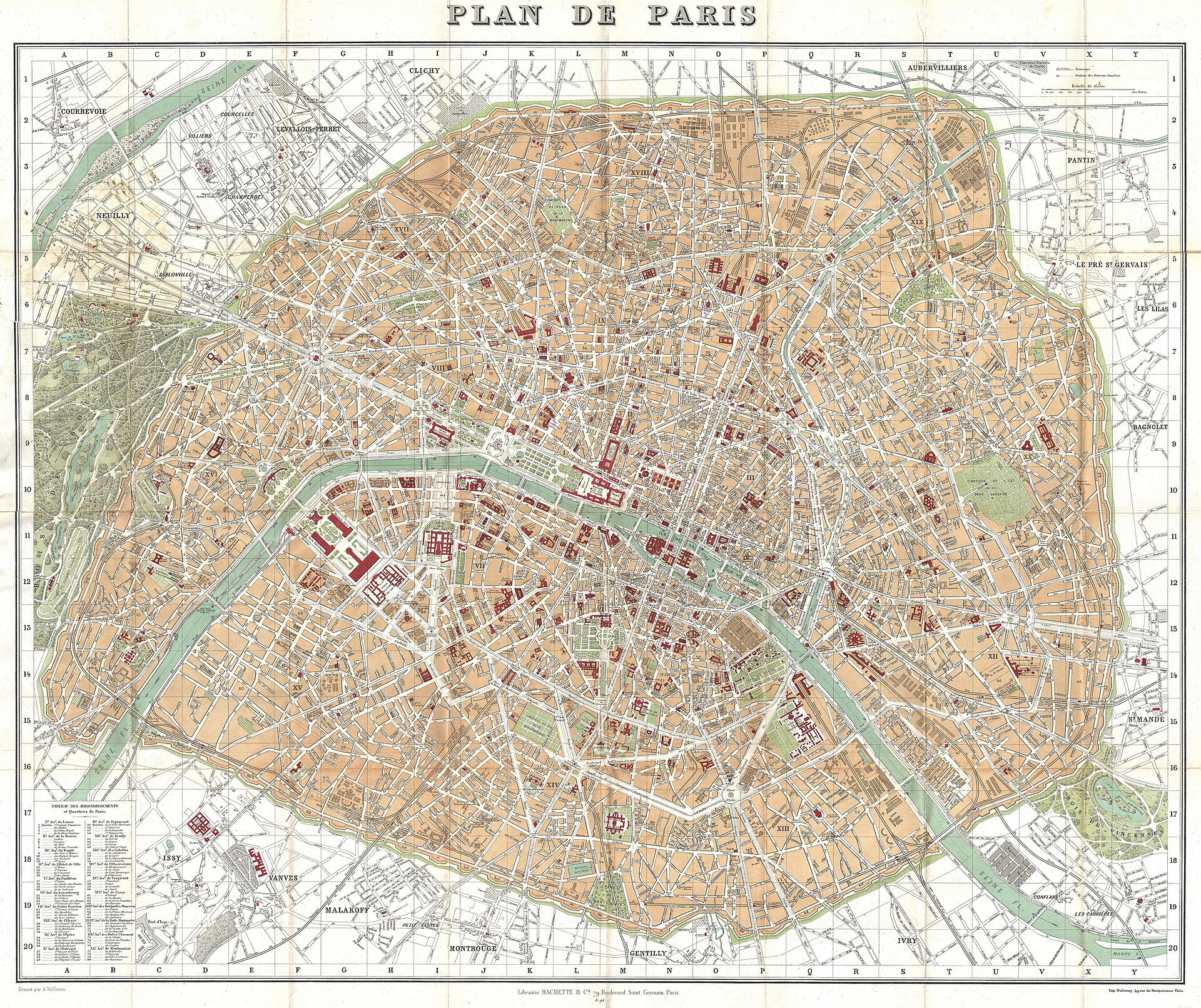
Paris city hall has reached a decision point on how to handle thousands of duplicate and outdated images embedded across its public estate — from the display panels inside Grand Paris Express stations to the illuminated signage along Boulevard Haussmann and the cultural wayfinding boards outside the Palais de Chaillot. The question is no longer whether the replacement programme moves forward, but who decides what goes up next, and at what price.
The issue has sharpened because two major cycles are converging at once. The post-Olympics legacy activation — which city planners anchored to the Paris 2024 Games — committed municipal departments to a wholesale visual audit of publicly managed spaces. At the same time, Grand Paris Express, the multi-decade metro expansion project overseen by Société du Grand Paris, is pushing new rolling stock and station environments into service on lines 15, 16 and 17. That means legacy image assets installed as recently as 2022 are already being flagged as redundant duplicates within the network's own content management systems.
The most acute pressure points are concentrated in three zones. First, the 13th arrondissement's cluster of administrative buildings near the Place d'Italie, where digital display contracts signed under a 2019 procurement round are expiring and duplicate safety and directional imagery has accumulated across four separate departmental offices. Second, the RER B interchange at Gare du Nord, where Île-de-France Mobilités manages competing image libraries across SNCF, RATP and the new Grand Paris Express interface — three organisations, three content systems, and in several corridors, three versions of the same directional photograph displayed within thirty metres of each other.
The Mairie de Paris's Direction de la Voirie et des Déplacements, which coordinates surface-level signage citywide, confirmed in its 2025 annual report that more than 4,200 individual display panels across the city's 20 arrondissements had been flagged for content review, with roughly 18 percent carrying imagery classified as a direct duplicate of at least one other panel within a 500-metre radius. The cost of a standard panel refresh, including design, print and installation, runs between €380 and €1,100 per unit depending on format and location — meaning even a partial clearance of the backlog carries a seven-figure price tag before procurement overhead is added.
Île-de-France Mobilités set a target in its 2024–2030 strategic plan for unified visual standards across all transit modes in the region, with a compliance deadline of December 2027. That date is now functioning as the effective forcing mechanism for decisions that individual agencies have been deferring for two years.
Three decisions will determine how the replacement programme unfolds between now and the end of 2026. The first is a procurement choice: whether the city consolidates image management under a single framework contract or allows arrondissement-level mairies to run their own smaller tenders. The consolidated route is faster and cheaper per unit but requires sign-off from the Commission des marchés de la Ville de Paris, which last met on the question in March and has not yet published a recommendation.
The second decision sits with Société du Grand Paris: whether newly opened stations on line 15 South, including those serving Villejuif and Bagneux, will adopt the regional standard image library from day one or inherit temporary assets that will themselves need replacing within eighteen months.
The third and least resolved question is governance. No single body currently holds authority over duplicate image classification across both transit and municipal domains. The Atelier Parisien d'Urbanisme has been informally advising on visual coherence since the Olympics audit began, but it holds no enforcement mandate. Until that gap is closed — either by interagency agreement or by a formal delegation from city hall — individual departments can, and will, continue making uncoordinated replacement decisions that generate new duplicates faster than the old ones are removed.
A working group involving Île-de-France Mobilités, RATP and the Mairie de Paris is expected to present a joint protocol to the city council before the September recess. If that timeline holds, procurement for the first consolidated replacement tranche could open before year-end. If it slips, the December 2027 compliance deadline for unified transit visuals starts to look very tight indeed.
How does this story make you feel?
Spread the word
About this article
Published by The Daily Paris
Daily brief
Free, in your inbox before 7am. Weekdays.
More in News


