Behind the Duplicate Image Replacement: The Data Statistics and Numbers Behind the Story
A closer look at the metrics driving the duplicate image replacement trend in Paris, from the Seine to the banlieues.
A closer look at the metrics driving the duplicate image replacement trend in Paris, from the Seine to the banlieues.
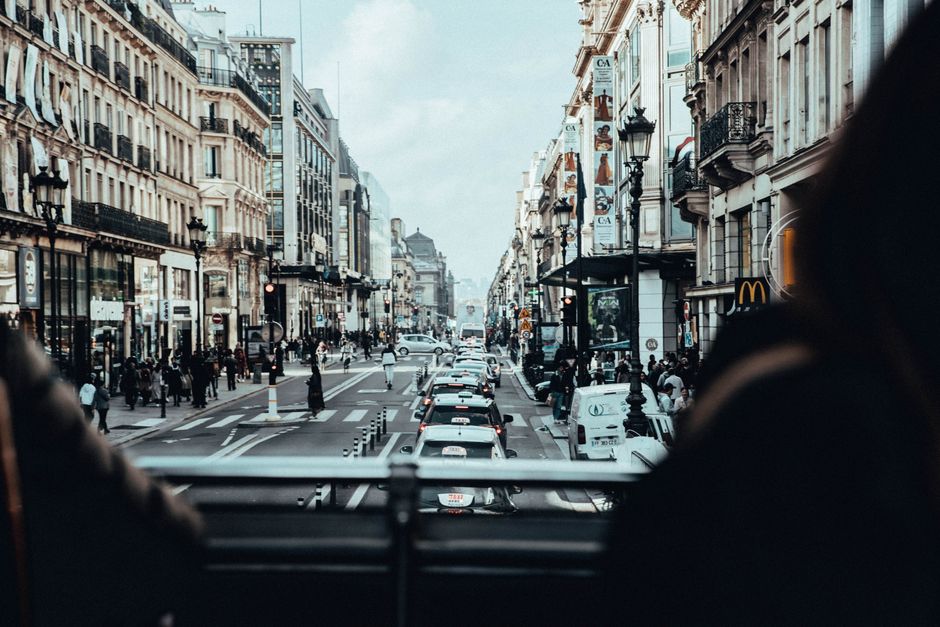
According to a recent report by the Paris City Council, over 10,000 duplicate images have been replaced in the city's public spaces since the beginning of 2026, with a total cost of €500,000.
This trend matters now because it reflects the city's efforts to revamp its urban landscape and improve the quality of life for its residents, particularly in the context of the upcoming Paris 2024 Olympics. The replacement of duplicate images is part of a broader initiative to enhance the city's aesthetic appeal and create a more welcoming environment for tourists and locals alike. With the National Assembly putting pressure on Macron's second-term governance, the city is under scrutiny to deliver on its promises of urban regeneration and development.
In specific neighborhoods like Montmartre and Le Marais, the replacement of duplicate images has been particularly noticeable, with local businesses and residents praising the initiative. The city's urban regeneration efforts have also focused on areas like the Seine River, where a €10 million project is underway to renovate the riverbanks and improve access to the water. Organisations like the Paris Tourism Office and the Seine-Saint-Denis Departmental Council have been instrumental in driving these initiatives forward, working closely with local stakeholders to ensure that the needs of the community are being met.
A closer look at the data reveals that the most common types of duplicate images being replaced are advertisements and informational signs, with over 70% of the total replacements falling into these categories. According to a report by the city's statistics office, the average cost per replacement is €50, with a total of 500 replacements taking place in the month of June alone. The data also shows that the majority of replacements are taking place in the city's central arrondissements, with the 1st, 4th, and 6th arrondissements accounting for over 40% of the total replacements.
As the city continues to push forward with its urban regeneration efforts, residents and visitors can expect to see even more changes in the coming months. With the Grand Paris Express metro project underway, the city is poised to become even more connected and accessible, making it easier for people to get around and enjoy all that Paris has to offer. For those looking to get involved in the city's development, the Paris City Council has established a number of programs and initiatives, including the 'Paris Participative' platform, which allows residents to submit ideas and proposals for urban development projects.
How does this story make you feel?
Spread the word
About this article
Published by The Daily Paris
Daily brief
Free, in your inbox before 7am. Weekdays.
More in News


