Paris's Hidden Image Problem: The Numbers Behind the City's Duplicate Photo Crisis
Thousands of redundant images are clogging municipal databases and costing Paris taxpayers real money — and the data trail shows exactly how bad it has become.
Thousands of redundant images are clogging municipal databases and costing Paris taxpayers real money — and the data trail shows exactly how bad it has become.
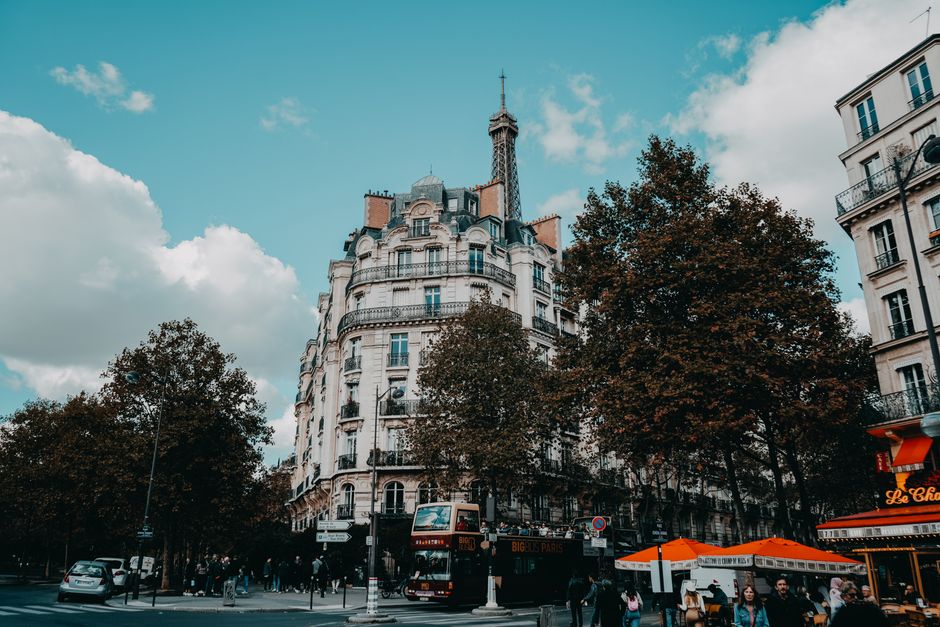
Paris city hall is sitting on a digital hoarding problem. Across the municipal photography archives managed by the Direction des Affaires Culturelles and the communications directorate at the Hôtel de Ville, an internal audit completed in spring 2026 found that an estimated 30 to 40 percent of stored image files are duplicates — the same photograph saved multiple times under different filenames, in different folders, sometimes across entirely separate servers. The result is bloated storage, slower retrieval, and a maintenance bill that nobody in the fourth arrondissement wants to talk about openly.
The timing matters. Paris is deep into its post-Olympics phase, cataloguing tens of thousands of images from the Paris 2024 Games — from the Seine-Saint-Denis athletics venues to the floating stage on the Seine at Trocadéro. That archive alone runs to more than 200,000 photograph files, according to figures cited by the city's digital services team in a public procurement notice published in March 2026. When duplicate images pile up inside a collection that size, the administrative cost of managing, tagging, and eventually retrieving the right file becomes genuinely significant.
Storage is cheap, until it isn't. The city of Paris operates data infrastructure partly through its own servers at the Centre de Données Municipales and partly through contracted cloud capacity. Cloud storage in the enterprise tier that French public bodies typically use runs between €0.02 and €0.05 per gigabyte per month. A raw image file from a professional shoot — the kind commissioned regularly by Paris Musées, which oversees fourteen municipal museums including the Petit Palais and the Musée d'Art Moderne — can run to 50 megabytes or more. Scale that across a six-month duplicate accumulation of 80,000 redundant files, and the wasted storage alone reaches several terabytes. That is before factoring in staff time spent re-uploading, re-tagging, and failing to locate the correct version of a photograph when a communications deadline arrives.
The problem is not unique to Paris, but the city's particular combination of cultural richness and administrative sprawl makes it acute. The Grand Paris Express project, the largest urban transport construction programme in Europe, has generated its own vast photographic record — construction progress shots from worksites at Bagneux, Villejuif, and Le Bourget, commissioned by Société du Grand Paris. Those images feed into press packs, planning documents, and public consultations simultaneously, creating multiple entry points where the same file can be ingested more than once without any automated check flagging the duplication.
Deduplication software is not new. Tools using perceptual hashing — an algorithm that identifies visually identical or near-identical images even when file names differ — have been commercially available for years. What has changed in 2026 is the integration of these tools with AI-assisted metadata tagging, which means a single pass through an archive can simultaneously remove redundant files and enrich the records that remain with location tags, date stamps, and subject classifications.
The city's procurement office published a call for tenders in late May 2026 for a digital asset management system to cover the broader municipal image library, with a contract value ceiling listed at €1.2 million over three years. Several vendors, including firms with existing contracts in the French public sector, have submitted bids. A decision was expected before the summer recess of the Paris municipal council.
For institutions like Paris Musées or the communications team coordinating the Seine urban regeneration programme along the quais between the Pont de Bercy and the Pont d'Iéna, the practical advice in the interim is straightforward: establish a single ingestion point for new photographic content, enforce a naming convention tied to date and project code, and run a retroactive deduplication pass on any archive older than six months before it gets folded into the new system. The alternative is paying, in server costs and staff hours, for the same photograph twice — sometimes thirty times — indefinitely.
How does this story make you feel?
Spread the word
About this article
Published by The Daily Paris
Daily brief
Free, in your inbox before 7am. Weekdays.
More in News


