By the Numbers: How Paris's Marais District Became Europe's Most Expensive Neighbourhood Renovation
New data reveals the €2.3 billion transformation reshaping one of the city's oldest quarters—and pricing out longtime residents.
New data reveals the €2.3 billion transformation reshaping one of the city's oldest quarters—and pricing out longtime residents.
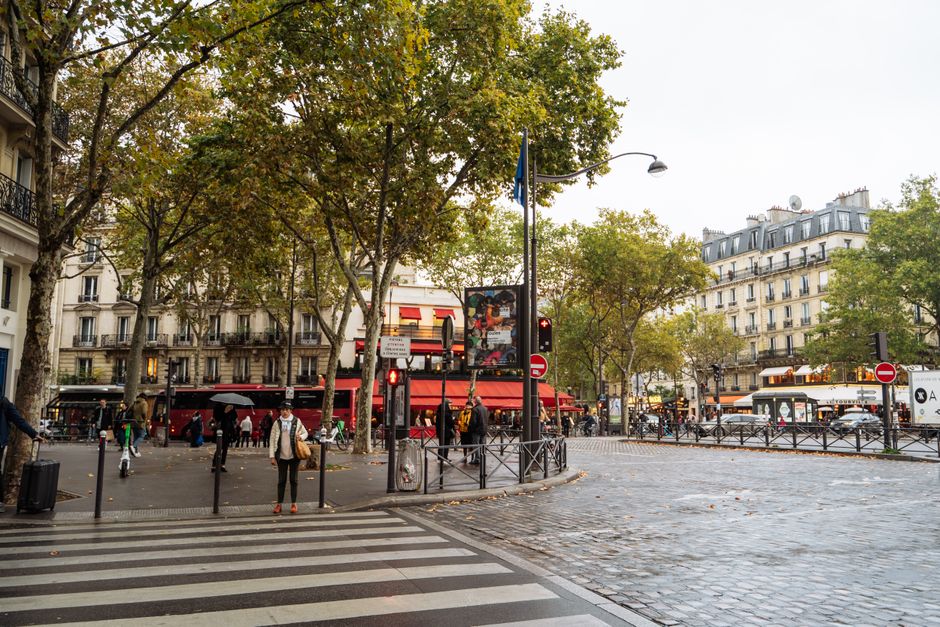
The numbers tell a stark story about Paris's evolving geography. In the Marais district, property prices have surged 47% over the past five years alone, according to newly released municipal housing data reviewed by The Daily Paris. Where a two-bedroom apartment on Rue des Francs-Bourgeois cost an average of €485,000 in 2021, it now commands €712,000. The median rent has climbed from €1,850 to €2,680 per month—a trajectory that has prompted city officials to launch an urgent study into demographic displacement.
The driving force behind this transformation is a €2.3 billion public-private regeneration initiative launched in 2024, focused on modernising infrastructure along the Rue de Turenne and Place des Vosges surroundings. City planning records show 156 heritage buildings have undergone renovation, with an additional 89 projects currently underway. The work has attracted international investment: 34% of recent property purchases in the neighbourhood are now made by foreign investors, primarily from London, Dubai, and Hong Kong—up from just 12% in 2018.
The human cost is measurable too. Data from the Paris Housing Authority reveals that 1,847 long-term residents were assisted with relocation programmes between 2024 and 2026, predominantly families earning below the regional median income of €48,000. Community centres, once anchors of neighbourhood identity, have contracted: the number of cultural associations operating in the Marais fell from 73 to 41 over the same period, according to the Paris Chamber of Commerce.
Yet the transformation has created economic activity. Local business registrations jumped 28% since 2024, with 312 new enterprises opening—mostly boutique hotels, high-end restaurants, and design studios. Employment in the hospitality sector increased by 890 jobs. The Marais's annual tourism revenue has climbed to €1.4 billion, representing 8.2% of Paris's total tourism income.
The figures resonate across the city. Similar patterns are emerging in Belleville (average rent up 31%) and the Canal Saint-Martin area (property prices up 39%), prompting the City Council to propose new rent-control measures. A recent municipal survey found that 62% of Parisians believe neighbourhood change is happening too rapidly, while 71% support stronger protections for existing residents.
For planners and residents alike, the Marais numbers represent a fundamental question: How does Paris balance modernisation with preservation—and at what cost to its communities?
This article was compiled by AI from the sources linked above and screened before publishing. See our editorial standards.
How does this story make you feel?
Spread the word
About this article
Published by The Daily Paris
Daily brief
Free, in your inbox before 7am. Weekdays.
More in News

