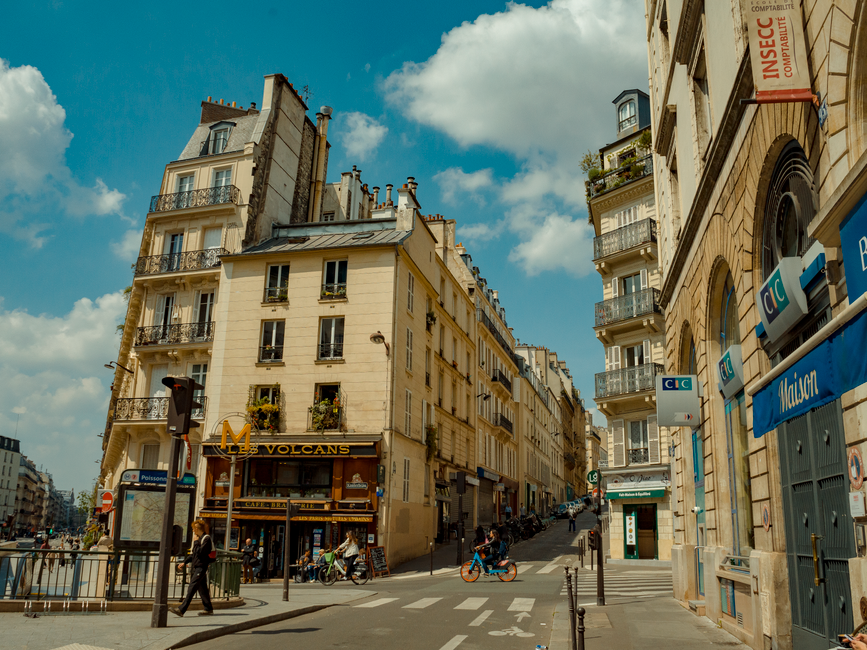
Walking through the 11th arrondissement on a humid June afternoon, Marie-Claude Dupont noticed something she hadn't seen in years: children playing longer in Place de la République without their parents fussing over air quality warnings. It's a small victory, but one increasingly common across Paris as the city's ambitious sustainability agenda translates from policy documents into lived experience.
The Mairie de Paris has ramped up environmental initiatives this year with concrete results. New cycling infrastructure along the Seine has reduced car traffic in the Marais by 18 percent since January, according to municipal data. For residents, this means quieter streets, fewer fumes filtering into apartments, and lower respiratory complaints in neighbourhood health clinics.
The financial impact resonates deeper. The city's expanded district heating scheme, now covering Belleville, Ménilmontant, and sections of the 20th arrondissement, has reduced winter heating costs by an average of €1,200 annually for participating households. For families already managing tight budgets in increasingly expensive neighbourhoods, the savings matter profoundly.
"We've had 8,000 new households join the district heating network this year," explains Céline Verthier, a sustainability coordinator at the Mairie's environmental department. "That's 8,000 homes producing less carbon while spending less on heating."
Beyond heating, the city's expansion of vertical gardens and green roofs has transformed urban micro-climates. Temperatures in dense areas near Boulevard Saint-Germain are now measurably cooler—by up to 2.3 degrees Celsius in summer—reducing reliance on air conditioning and creating unexpected gathering spaces for residents. The programme has also created 340 new local jobs in installation and maintenance.
However, challenges persist. Gentrification continues pushing working-class families toward outer suburbs, potentially divorcing communities from the benefits of their neighbourhoods' green improvements. Transit-oriented development remains unevenly distributed, with the 16th arrondissement receiving proportionally more investment than areas east of Boulevard Périphérique.
Still, residents across diverse neighbourhoods report tangible improvements. Air quality indexes show consistent improvement, parks fill with families on weekends, and community gardens from Île-Saint-Louis to Batignolles foster local connections. For Parisians navigating rapid urban change and climate anxiety, these initiatives represent something rare: environmental progress they can actually experience.
As sustainability transitions from aspirational policy to neighbourhood reality, the city's gamble appears to be paying dividends—at least for those able to stay.
This article was compiled by AI from the sources linked above and screened before publishing. See our editorial standards.