Paris weekly explainer: How housing scarcity became the city's defining crisis
A perfect storm of investment demand, stagnant supply, and post-pandemic migration has transformed Paris's rental market—here's how we got here.
A perfect storm of investment demand, stagnant supply, and post-pandemic migration has transformed Paris's rental market—here's how we got here.
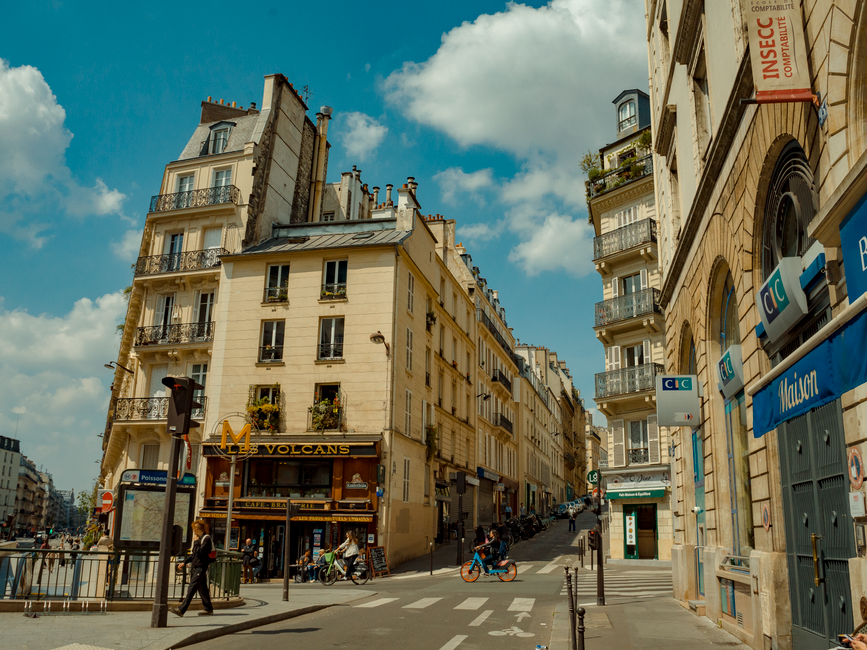
Walking through the 11th arrondissement these days, you'll notice something: For Sale signs outnumber apartment listings. This isn't coincidence. It reflects a structural problem that has been quietly building for two decades, accelerating dramatically since 2024.
The numbers tell a stark story. Average rental prices in central Paris now exceed €28 per square metre monthly—up from €18 just five years ago. In sought-after neighbourhoods like Marais and the Latin Quarter, studio apartments regularly command €800-1,000 monthly. Meanwhile, construction of new housing units has remained flat, averaging just 12,000 completions annually across the Île-de-France region, far below the 25,000 needed to meet demand.
How did we arrive here? The roots run deep. During the 2010s, Paris became increasingly attractive to international investors following the city's hosting of the 2015 climate accords and the subsequent global ESG investment boom. Foreign capital poured into Parisian real estate—not for primary residency, but as a speculative asset. Airbnb's expansion throughout 2015-2023 accelerated this trend, converting long-term rentals into short-term tourist accommodation. At its peak, nearly 60,000 listings operated in Paris, draining the residential supply.
Then came the pandemic. Remote work enabled migration from London, Amsterdam, and other northern European cities. Young professionals, attracted by Paris's culture and lifestyle, arrived precisely when housing was already scarce. The Île-de-France population grew by 2.3 per cent between 2020 and 2024—modest by global standards, but devastating for a supply-constrained market.
Policy responses have been slow. The city government tightened short-term rental regulations in 2023, capping Airbnb-style offerings, but damage was already done. Major construction projects—like the ongoing regeneration of the Rive Gauche district near the Musée d'Orsay—take years to materialize. The planned 6,000-unit development at the Clichy-Batignolles site in the 17th won't be complete until 2028.
Meanwhile, affordable housing initiatives struggle with funding. Paris's social housing stock represents roughly 20 per cent of total housing—below the national target of 25 per cent. Young workers in essential sectors—teachers, nurses, service industry employees—increasingly cannot afford to live in the city where they work, commuting instead from distant suburbs like Meaux or Fontainebleau.
The situation remains fluid. City Hall is pushing developers harder on mixed-income requirements. Recent legislation aims to convert unused office space into residential units. But without aggressive intervention on multiple fronts simultaneously, Paris's housing crisis will likely persist—reshaping who can afford to call the City of Light home.
This article was compiled by AI from the sources linked above and screened before publishing. See our editorial standards.
How does this story make you feel?
Spread the word
About this article
Published by The Daily Paris
Daily brief
Free, in your inbox before 7am. Weekdays.
More in News