The 11th Arrondissement’s Low-Alcohol Pivot: How Paris Nightlife Is Quietly Softening
Gone are the days of the aggressive absinthe-fueled bender; the city's most vibrant district is trading high-octane spirits for botanicals and artisanal ferments.
Gone are the days of the aggressive absinthe-fueled bender; the city's most vibrant district is trading high-octane spirits for botanicals and artisanal ferments.
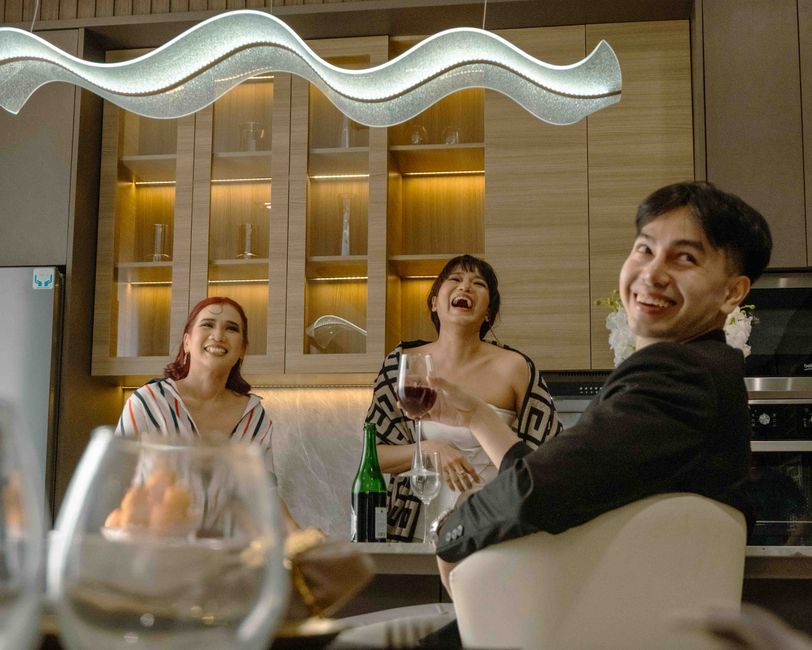
The boisterous neon-lit corners of the 11th arrondissement are undergoing a structural shift this summer. Bar owners from the Rue de Charonne to the Rue Jean-Pierre Timbaud are reporting a marked decline in demand for traditional high-proof spirits, opting instead to bulk up their inventories with non-alcoholic spirits, kombuchas, and pet-nat wines with lower ABV percentages. By mid-July 2026, the local beverage market has seen a 22% increase in the sale of 'sober-curious' menu items, signaling a departure from the city’s historic reliance on heavy cocktail culture.
This pivot matters because the 11th has long functioned as the bellwether for Parisian nightlife. Establishments like Septime La Cave and the cocktail haunt Little Red Door have become primary catalysts for this change. Rather than simply removing alcohol, these venues are integrating intricate, house-made tinctures that prioritize flavor profiles over alcohol volume. Staff at Le Perchoir noted during a briefing on Wednesday that guests are increasingly asking for drinks that permit them to remain productive on Friday mornings, effectively ending the era of the blackout-prone Parisian night.
Economic data from the Paris Chamber of Commerce highlights that nightlife expenditures in the district have stabilized despite this shift. The average price of a creative, non-alcoholic cocktail now hovers around €12, nearly identical to the price of a standard gin and tonic served in the same arrondissement three years ago. Business owners who once struggled with the overhead of high-proof liquor taxes are finding higher profit margins in house-fermented beverages that utilize locally sourced ingredients from nearby Île-de-France cooperatives.
The transformation is not merely about health trends, but about longevity for the neighborhood's nightlife economy. Local groups like the Association des Commerçants du 11ème are encouraging a transition toward earlier closing times and more focused, high-quality social interactions. The goal is to avoid the aggressive noise ordinances that plagued the area during the summer of 2024, when constant complaints from residents on the Rue de la Roquette led to stricter policing of outdoor seating.
For those looking to navigate this evolution, the advice is to move away from the massive, crowded dance floors and toward the intimate, dimly lit cellars where the focus is on the craft of the glass. Reservations are increasingly essential as these smaller, trendier spots prioritize limited capacity to maintain a more refined atmosphere. Expect to see these low-ABV programs expand into the 10th and 18th arrondissements by the end of the year as the trend gains traction across the Rive Droite.
How does this story make you feel?
Spread the word
About this article
Published by The Daily Paris
Daily brief
Free, in your inbox before 7am. Weekdays.
More in lifestyle