Paris Marais bars shift to wellness culture in 2024
Paris's Marais neighbourhood bars are reshaping nightlife around low-alcohol cocktails and early closings. Discover how wellness is transforming the city's historic bar scene.
Paris's Marais neighbourhood bars are reshaping nightlife around low-alcohol cocktails and early closings. Discover how wellness is transforming the city's historic bar scene.
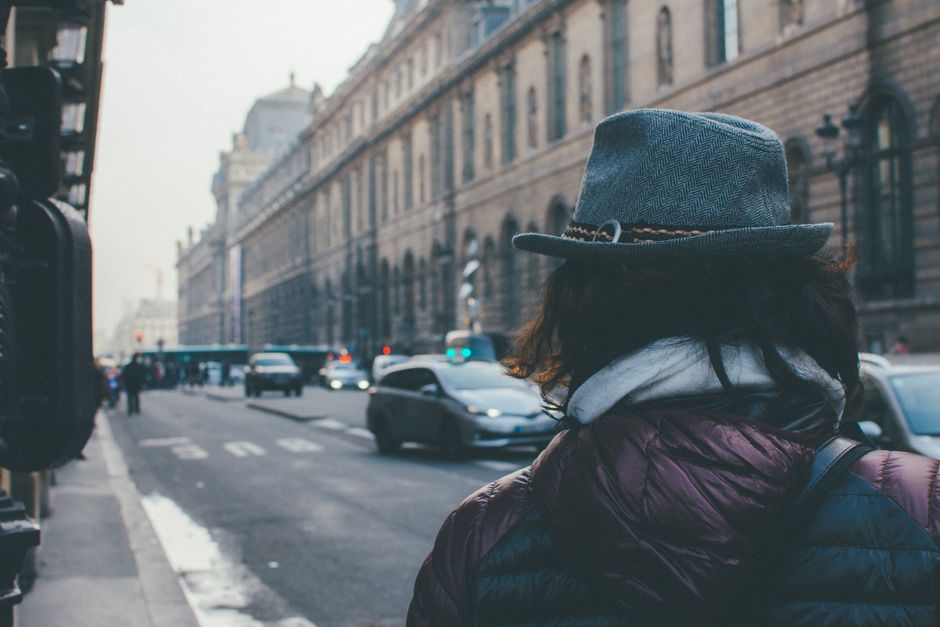
The Marais has long been synonymous with Paris nightlife—a neighbourhood where centuries-old streets echo with laughter until dawn and where generations of Parisians have marked life's milestones in dimly lit bars. Yet walk down Rue des Rosiers or Rue Vieille du Temple this summer, and you'll notice something subtly but undeniably different.
The transformation reflects a broader cultural shift. While traditional late-night venues still thrive, a growing number of Marais establishments are repositioning themselves around what industry observers call "intentional socialising." Low-alcohol and alcohol-free cocktails now feature prominently on menus that once centred on wine and spirits. Several venues have introduced earlier closing times—midnight or 1 a.m. rather than the traditional 5 or 6 a.m.—without sacrificing profitability.
"We've seen a 35 per cent increase in demand for non-alcoholic options across Paris bar venues over the past eighteen months," according to industry data from the Syndicat des Cafés, Hôtels et Restaurants de Paris. The Marais, with its younger demographic and international clientele, has become a testing ground for this shift.
The neighbourhood's evolution extends beyond what patrons drink. Social activities have become more structured and intentional. Board game nights, live music sessions, and curated networking events now compete with casual drop-ins. Several venues have invested in better lighting and acoustic design—moves that signal a recalibration of what "going out" means.
This isn't nostalgia-driven conservatism. Established bars have weathered significant pressures: reduced tourist footfall post-pandemic, rising operating costs (commercial rents in the Marais average €1,200 per square metre annually), and shifting demographics. Younger Parisians increasingly view nightlife as one component of a broader social ecosystem rather than its entirety.
The changes haven't erased the Marais's character. Hidden courtyards still buzz with conversation. The neighbourhood's LGBTQ+ venues remain culturally vital. But the bar scene's centre of gravity has shifted. Where once the question was simply "where shall we drink?" patrons now ask what kind of experience they're seeking.
For a city that spent centuries defining itself through café culture, this evolution represents neither decline nor triumph—but rather adaptation. The Marais remains essential to Parisian social life, simply operating on different terms. Whether this represents progress or loss largely depends on one's relationship with Paris's storied relationship with excess.
This article was compiled by AI from the sources linked above and screened before publishing. See our editorial standards.
How does this story make you feel?
Spread the word
About this article
Published by The Daily Paris
Daily brief
Free, in your inbox before 7am. Weekdays.
More in lifestyle