How to Settle in Paris: Newcomer's Guide
Master the Paris métro, find your ideal neighbourhood, and settle in like a local. Essential tips for newcomers moving to the City of Light.
Master the Paris métro, find your ideal neighbourhood, and settle in like a local. Essential tips for newcomers moving to the City of Light.
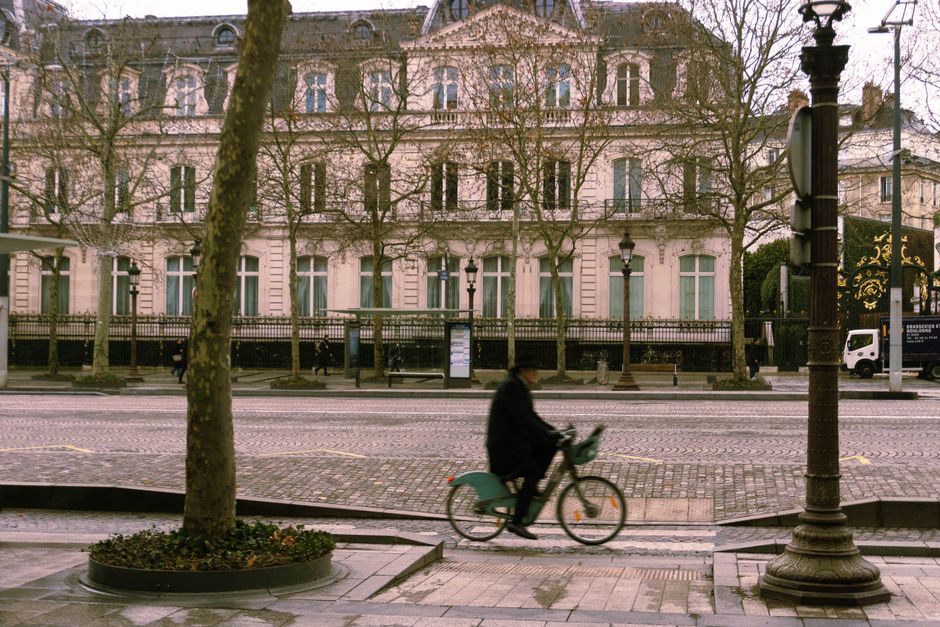
You've arrived in Paris. The apartment hunt is done, the paperwork is filed, and now comes the real adventure: learning to live here like a Parisian. Forget the postcard version—real settlement means mastering the practical rhythms of daily life in Europe's most visited city.
Start with transport. The RATP métro system moves 1.5 billion passengers annually, and for good reason. A Navigo Easy card (€2) loaded with a weekly pass (€32.40) beats fumbling for tickets. Don't memorise line numbers; instead, learn to navigate by destination. Apps like Citymapper or the official RATP app are non-negotiable. Pro tip: avoid lines 1 and 4 during rush hours unless you enjoy intimate proximity with strangers.
Neighbourhood choice shapes everything. The Marais buzzes with young professionals and galleries, though rent near Place des Vosges runs €1,200–€1,600 for a one-bedroom. Canal Saint-Martin attracts creatives on tighter budgets (€800–€1,100), while the 5th arrondissement appeals to academics seeking proximity to the Sorbonne and Panthéon. Belleville offers authenticity and street art culture at moderate prices, though gentrification is accelerating.
Money matters require clarity. Open a bank account immediately—major banks like BNP Paribas or Société Générale have branches everywhere, though expect bureaucracy. You'll need proof of address and identification. For English-language support, Revolut or N26 offer digital alternatives with lower fees. Budget roughly €1,800–€2,400 monthly for comfortable single living in central arrondissements, excluding rent.
Social integration happens through deliberate effort. Join clubs via meetup.com or Facebook groups dedicated to expat communities in Paris. Language exchange at institutions like the Université Populaire in the 13th arrondissement costs nothing and builds genuine friendships. Visit your local mairie (town hall) to understand neighbourhood services—they often host social events.
Embrace the French café culture, not as tourism but as infrastructure. Your corner café becomes a second office, a postal address, and sometimes a social hub. A coffee costs €1.50–€3 depending on location; sitting at a table—not the bar—extends your stay indefinitely.
Finally, accept that Paris operates on its own schedule. Shops close Sundays and Mondays. Lunch breaks are sacred. Bureaucracy moves slowly. Rather than fighting these rhythms, align with them. Your integration accelerates when you stop treating Paris as a temporary posting and start treating it as home.
The city rewards patience and curiosity in equal measure.
This article was compiled by AI from the sources linked above and screened before publishing. See our editorial standards.
How does this story make you feel?
Spread the word
About this article
Published by The Daily Paris
Daily brief
Free, in your inbox before 7am. Weekdays.
More in lifestyle