Moving to Paris? Skip the clichés—Here's What Locals Actually Tell Newcomers
Forget the romantic myths: expats living in Paris reveal the unglamorous truths and practical strategies that make relocation genuinely manageable.
Forget the romantic myths: expats living in Paris reveal the unglamorous truths and practical strategies that make relocation genuinely manageable.
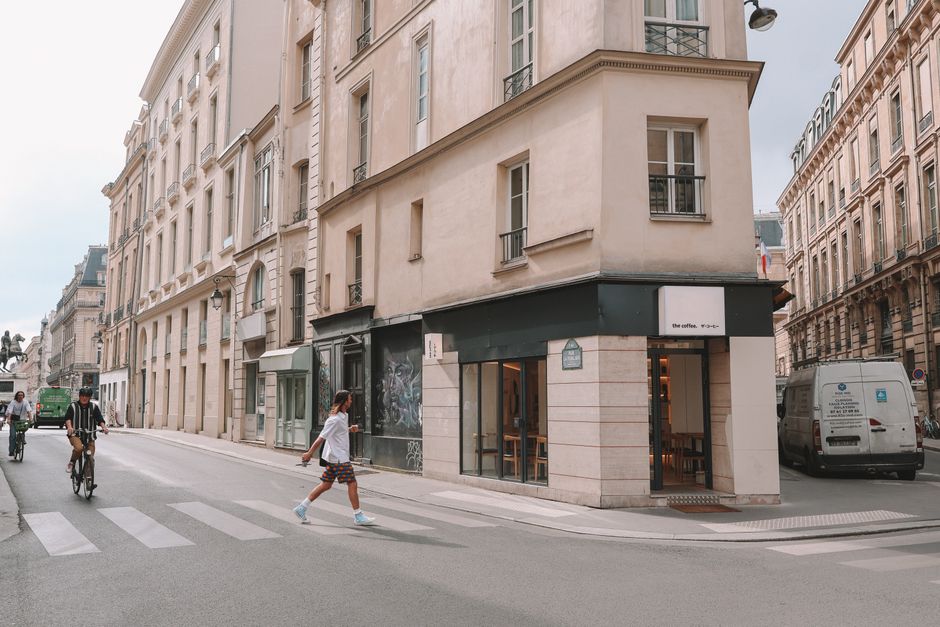
Paris ranks among Europe's most expensive cities, with average monthly rent for a one-bedroom apartment in central arrondissements now hovering around €900–€1,200. Yet the narrative peddled to newcomers rarely matches reality. The City of Light demands resilience, pragmatism, and a willingness to abandon Instagram-filtered expectations.
Start with accommodation reality: the 5th and 6th arrondissements promise literary romance but deliver eye-watering prices. Savvy expats consistently recommend looking further afield—the 11th, 13th, and 20th offer better value without sacrificing access to Metro lines. Belleville, historically bohemian and increasingly gentrified, remains a genuine neighbourhood where locals actually live. Housing platforms like SeLoger and LeBonCoin dominate the market; international sites like Airbnb work for temporary stays but long-term rentals require French landlord negotiations and often a French guarantor—a genuine bureaucratic hurdle worth planning ahead.
Language matters more than tourism guides suggest. While English works in tourist zones and some tech sectors, daily life—from pharmacy consultations to electricity companies—demands functional French. Expats living long-term consistently emphasize early investment in language classes; organizations like France Éducation and countless private tutors across the Marais and Latin Quarter offer realistic pathways beyond classroom learning.
Healthcare and administration define the first months. Registering with the Sécurité Sociale system is essential for accessing France's excellent healthcare infrastructure, but the paperwork labyrinth is notorious. Professional relocators recommend engaging with expat support networks early—groups on platforms like InterNations and Facebook community pages offer crowdsourced advice on navigating CNAMTS registration and finding English-speaking doctors.
Grocery shopping reveals telling gaps between expectation and practice. While Parisian markets on Rue Mouffetard and weekend farmers' markets genuinely deliver fresh produce, weekly shopping costs significantly exceed UK or US equivalents. Discount chains like Lidl and Carrefour City demand strategic budgeting; imported comfort foods often cost triple their home prices.
Social integration demands intentionality. Parisians maintain smaller friend circles than Anglo-Saxon norms; invitations to homes come slowly. Expats build community through hobby groups, sports clubs, and professional networks rather than street-level spontaneity. Coworking spaces across the 9th and 10th arrondissements provide unexpected social infrastructure.
Finally, embrace bureaucratic cynicism. French administration will frustrate; expecting straightforward processes guarantees disappointment. Locals recommend patience, humor, and maintaining copies of everything. Six months in, most newcomers report that Paris rewards those who stop fighting its systems and instead learn to navigate them.
This article was compiled by AI from the sources linked above and screened before publishing. See our editorial standards.
How does this story make you feel?
Spread the word
About this article
Published by The Daily Paris
Daily brief
Free, in your inbox before 7am. Weekdays.
More in lifestyle