Why Paris's Approach to Green Spaces Sets It Apart From Every Other Global City
From the Seine's reimagined banks to neighbourhood micro-parks, the French capital has cracked a code that London, New York and Berlin are still chasing.
From the Seine's reimagined banks to neighbourhood micro-parks, the French capital has cracked a code that London, New York and Berlin are still chasing.
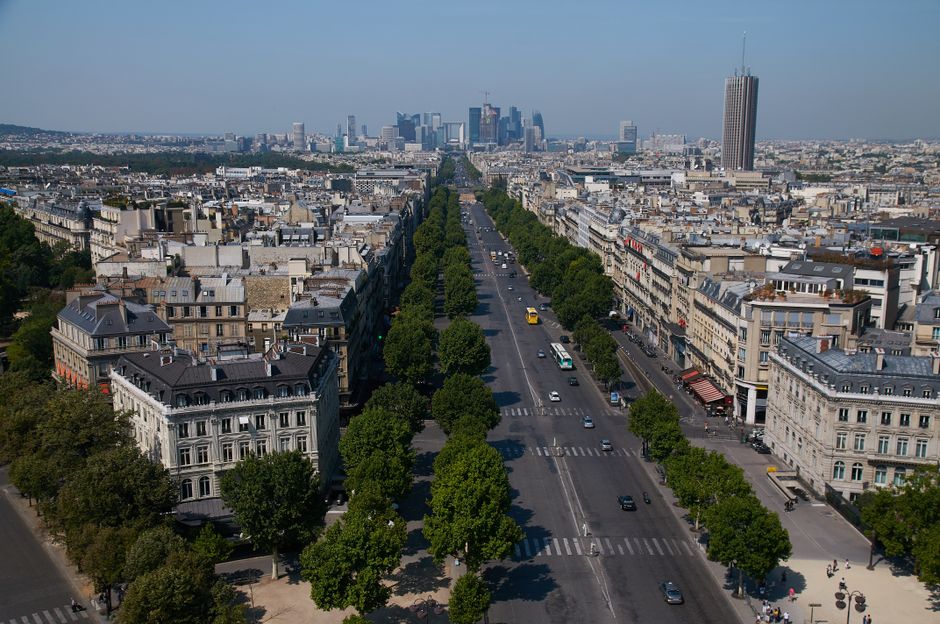
Walk along the Left Bank on any June afternoon and you'll notice something that distinguishes Paris from every comparable global metropolis: the green spaces aren't an afterthought. They're woven into the urban fabric with the same architectural precision as the city's limestone façades.
This isn't accidental. Over the past decade, Paris has fundamentally reimagined what outdoor living means in a dense city. The transformation of the Berges de Seine—converting car lanes into promenades lined with vegetation—created 3.3 kilometres of waterfront reclaimed from traffic. Compare this to London's Thames Path, which remains fragmented and pedestrian-hostile in sections, or New York's Hudson River Greenway, which prioritises cycling infrastructure over lounging space.
What makes Paris genuinely unique is the philosophy underlying its green strategy. While other cities bolt parks onto their urban landscape, Paris has integrated them into neighbourhood life. The 14 square kilometres of public gardens include not just the famous Luxembourg and Tuileries, but intimate neighbourhood squares—the Place des Vosges, the Jardin Catherine-Labouré in the 7th arrondissement, even the recently renovated Jardin du Trocadéro, which now functions as an extension of street life rather than a monumental backdrop.
The numbers reflect this commitment. Paris dedicates approximately €180 per resident annually to park maintenance and development—significantly higher than most European capitals. Berlin spends around €120 per capita; Brussels closer to €100. The city employs over 2,000 gardeners across its parks service, creating an ecosystem of maintained green space that feels simultaneously natural and intentional.
But perhaps most importantly, Parisians use these spaces differently. There's no equivalent in other cities to the café-garden culture here. At the Jardin des Plantes, you're not just walking—you're sitting for hours with a coffee. The Marais's small squares function as extensions of local bistros. Even the Bois de Boulogne operates on a different frequency from comparable parks like Hyde Park or Central Park, which feel like escapes from the city rather than integral parts of it.
Recent initiatives like the expansion of parklets in the 11th and 12th arrondissements, and the conversion of traffic islands into micro-gardens, show Paris continuing to innovate. The city has committed to increasing green cover by 10 per cent by 2026.
For lifestyle-conscious Parisians, this isn't about trendy wellness culture. It's about the fundamental belief that outdoor space belongs to everyone, integrated seamlessly into daily existence rather than cordoned off as leisure. That philosophy—and the resources committed to it—remains Paris's most enviable export.
This article was compiled by AI from the sources linked above and screened before publishing. See our editorial standards.
How does this story make you feel?
Spread the word
About this article
Published by The Daily Paris
Daily brief
Free, in your inbox before 7am. Weekdays.
More in lifestyle