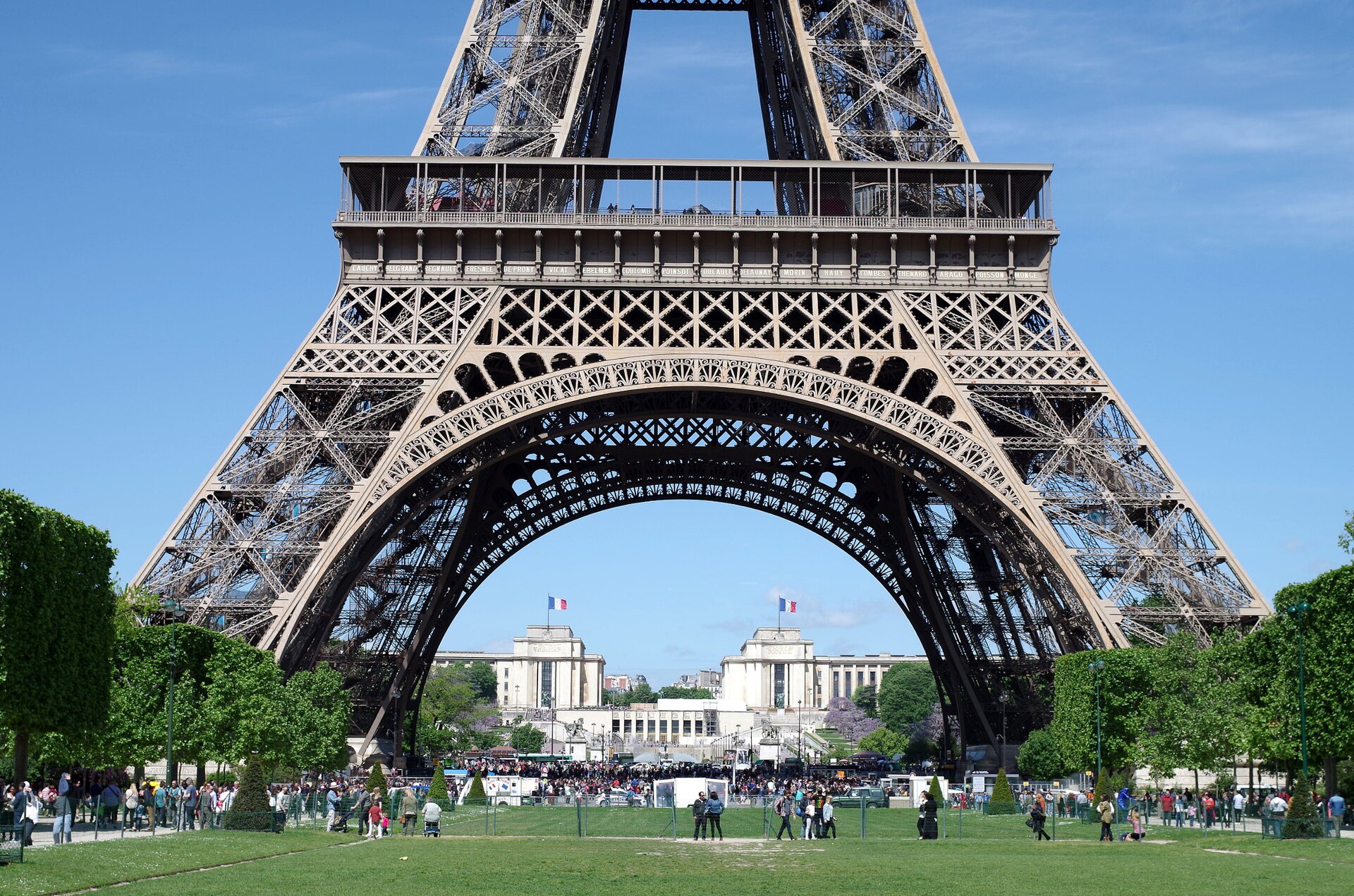
On a Wednesday afternoon in the 6th arrondissement, children flood out of the Lycée Montaigne as their parents gather on Rue de Médicis, laptops conspicuously absent. This scene-relaxed, unhurried-captures something fundamental about Parisian family life that bewilders expats and increasingly intrigues parents worldwide grappling with burnout culture.
Unlike their counterparts in London, New York, or Singapore, Paris has largely resisted the competitive pressure-cooker approach to childhood. French schools operate on a strictly enforced 32-hour week, with Wednesday afternoons free and a generous two-week break every six weeks. There are no extracurricular Olympics here; a child attending tennis lessons and piano is considered adequately occupied, not under-stimulated.
"We don't talk about schools the way other countries do," explains the philosophy behind France's National Education system, which deliberately avoids publishing performance rankings. School choice exists, but the frenzy of entrance exams and networking that characterises American or British education feels alien to most Parisian families. Even private institutions like Cours Cézanne in the 16th operate within this cultural framework of measured ambition.
Lunch matters differently here too. While children in other capitals consume sandwiches at desks, Paris schoolchildren enjoy four-course meals-properly plated, with vegetables-in subsidised cafeterias. A 2024 municipal survey found 93% of Parisian families use school canteens, treating them as an extension of culinary education rather than a logistical necessity.
The playground culture reflects this philosophy. Visit Square des Peupliers in the 13th or Jardin du Luxembourg's designated play areas, and you'll notice parents sit on benches reading, conversing, or simply existing without performing parental engagement. Children roam with visible independence; helicopter parenting remains largely un-French.
Economic factors reinforce this approach. Paris subsidises childcare at approximately 10% of actual costs for families earning under €50,000 annually. École maternelle is free from age three, removing the financial desperation that drives many Western parents toward dual high-income careers and the subsequent need for activity-packed childcare alternatives.
This doesn't mean Paris parents are disengaged. Rather, they've constructed a system where childhood isn't a training ground for resume-building but a period with its own intrinsic value. School starts at 8:30 a.m., never earlier. Summer holiday stretches eight weeks. Homework loads are modest; excessive assignments face parental pushback.
As global burnout statistics climb and educational psychologists warn against over-scheduling, Paris's quieter model-once dismissed as laid-back to the point of negligence-increasingly looks like wisdom rather than indifference. It's a lifestyle choice embedded in policy, culture, and something harder to quantify: a collective agreement that childhood shouldn't be weaponised in service of later success.
This article was compiled by AI and screened before publishing. See our editorial standards.