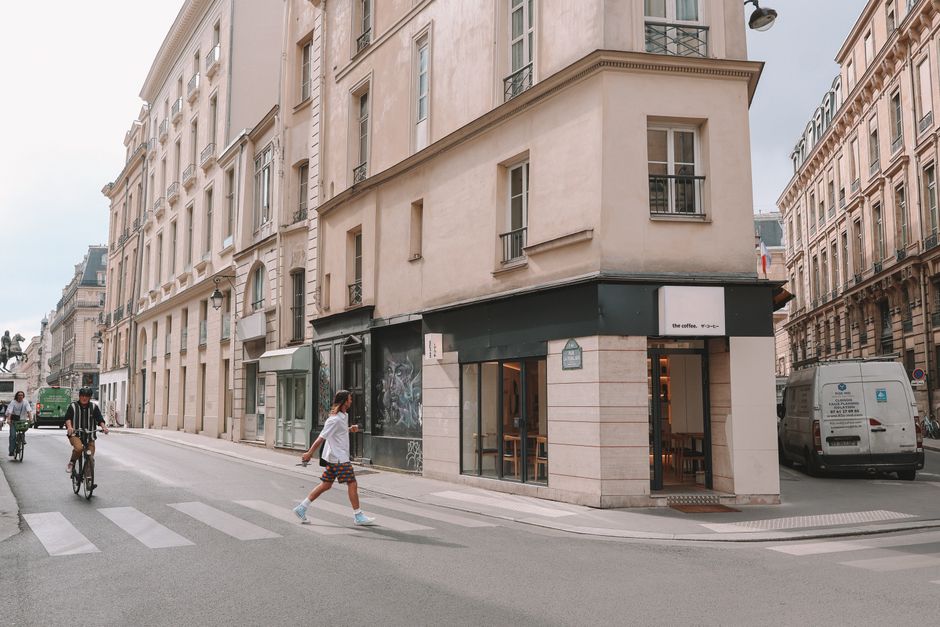
Walk down Rue des Francs-Bourgeois on a Tuesday morning, and you'll spot something that would have seemed unthinkable five years ago: clusters of young children learning outdoors in makeshift classroom spaces beneath the neighbourhood's historic arcades, their parents—some working remotely on laptops nearby—rotating supervisory duties.
Le Marais's family landscape is undergoing a quiet but significant transformation. The neighbourhood, long known for its bohemian character and design boutiques, is experiencing a fundamental shift in how parents approach early childhood education. Traditional école maternelle waiting lists have swelled to two-year queues, prompting families to pioneer alternative models that blend professional oversight with community involvement.
"We have approximately 2,400 registered families with children under six in the 4th arrondissement," explains a spokesperson for the local mairie, "yet capacity in state-funded schools has remained largely static since 2015." This squeeze has triggered an explosion of micro-écoles and learning collectives across the neighbourhood. At least seven new informal schooling arrangements have emerged since 2024, ranging from the 12-child cooperative operating from a private apartment on Rue de Turenne to the forest-school collective that meets thrice weekly in the Marais's pocket parks.
The economics tell a striking story. While state école maternelle remains free, private alternatives—once the domain of wealthy expat families—now cost between €800 and €2,200 monthly. Yet demand remains robust. Parents cite flexibility, smaller groups, and pedagogical approaches that blend Montessori methods with outdoor learning as key attractions. Some co-operatives charge sliding-scale fees starting at €400 monthly, making them accessible to middle-income households increasingly priced out of Le Marais's property market.
This shift has sparked debate among local parents and educators. Supporters argue these new models foster community bonds and offer genuinely personalised education. Critics worry about inconsistent oversight and the fragmentation of neighbourhood social fabric that communal schools once provided.
The trend extends beyond the youngest learners. Several parents have established homework collectives for école élémentaire-age children, meeting at venues like Café Charlot and local libraries—a response both to expensive tutoring services and the neighbourhood's increasingly pressurised academic culture.
Le Marais's parenting evolution reflects broader tensions in contemporary Paris: institutional infrastructure struggling to match residential demand, families seeking community amid urban atomisation, and the growing conviction that traditional schooling models may no longer serve everyone equally. Whether these experiments prove transformative or temporary remains an open question.
This article was compiled by AI from the sources linked above and screened before publishing. See our editorial standards.