The Faces Behind the Till: Meet the People Who Make Paris Markets Legendary
From Marché Bastille to Rue Mouffetard, it's the vendors, traders and merchants—not the merchandise—who give Paris retail its soul.
From Marché Bastille to Rue Mouffetard, it's the vendors, traders and merchants—not the merchandise—who give Paris retail its soul.
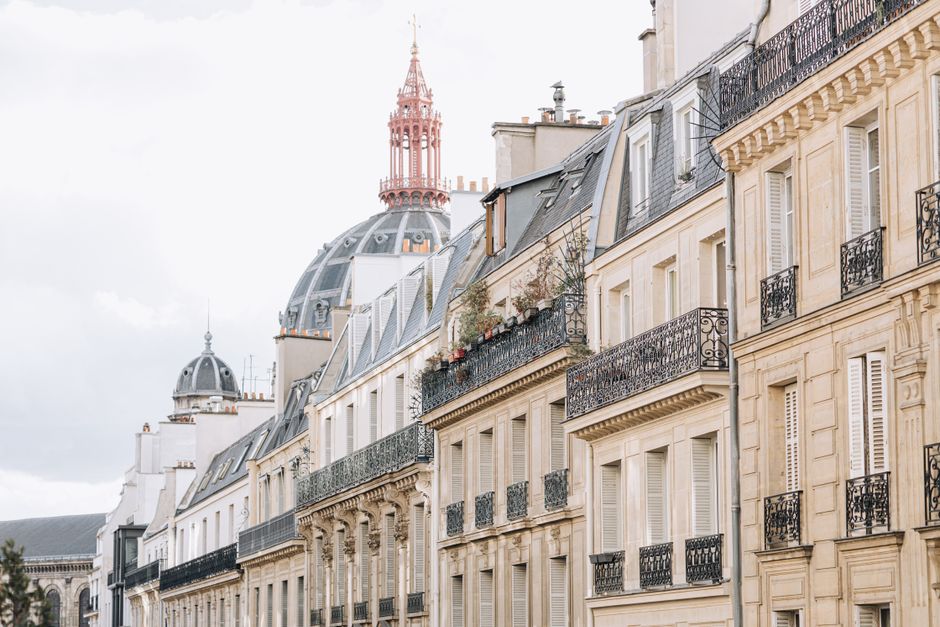
Walk through Marché Bastille on a Thursday morning and you'll witness something that no luxury department store can replicate: community. Among the 250-odd stalls stretching along Boulevard Richard-Lenoir, vendors aren't merely selling tomatoes or baguettes. They're performing a ritual as Parisian as the Seine itself, one that has remained largely unchanged for over a century.
Consider the flower vendors who've worked the northern edge of Marché Bastille for decades. Their hands are perpetually stained with soil and rose thorns, their faces weathered by seasons of early mornings. Many arrived in Paris from the Provence countryside or North Africa, building empires on a single cart and relentless dedication. These aren't retail transients—they're fixtures, repositories of horticultural wisdom and neighbourhood gossip, the people who remember when your grandmother shopped here.
On Rue Mouffetard, the Latin Quarter's legendary market street, the transformation since the 1990s tells a different story. Where family greengrocers once dominated, international vendors now create a tableau of globalism. Yet the underlying principle remains: trust built through familiarity. A fishmonger who's been working the same spot for fifteen years develops an intuitive understanding of her customers' preferences. She knows which tourists need guidance, which regulars are experimenting, which elderly residents prefer the gentler handling.
The economics are unforgiving. Market stall rentals in central Paris can run €300–€600 monthly, and vendor margins remain thin—typically 15–25 per cent for produce. Yet between 60–70 per cent of Paris residents still shop at outdoor markets at least weekly, according to local commerce surveys. This loyalty isn't mere nostalgia; it's recognition of a human transaction that commercial spaces eliminate.
Marché d'Aligre in the 12th arrondissement exemplifies this further. Its Thursday and Sunday crowds draw local families, immigrants, and increasingly, young professionals seeking 'authentic' Paris. But the magic isn't geographical—it's relational. When a vendor calls you by name, remembers you prefer smaller potatoes, asks about your daughter's exams, you're no longer a customer. You're part of an ecosystem.
As Paris evolves, with e-commerce claiming an ever-larger share of retail, these markets represent something increasingly rare: spaces where commerce remains fundamentally human. The faces behind the till aren't replaceable; they're irreplaceable.
This article was compiled by AI from the sources linked above and screened before publishing. See our editorial standards.
How does this story make you feel?
Spread the word
About this article
Published by The Daily Paris
Daily brief
Free, in your inbox before 7am. Weekdays.
More in lifestyle