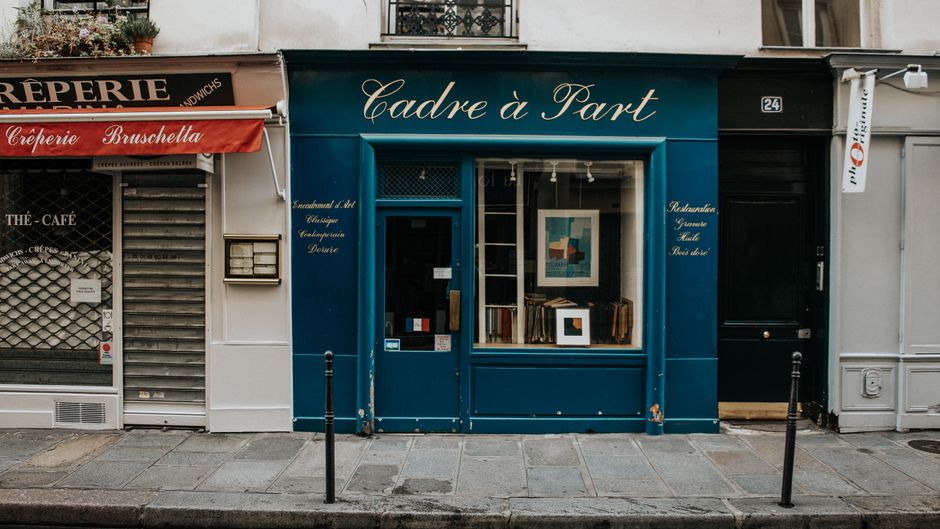
Walk through the Marais today and you'll encounter a fashion landscape that would baffle designers from the 1990s. Where exclusive couture houses once guarded their secrets behind unmarked doors on Rue Saint-Antoine, young independent designers now operate collaborative studios with transparent storefronts, their Instagram feeds serving as digital showrooms. This evolution represents far more than aesthetic change—it reflects a fundamental restructuring of Paris's €48 billion creative industries sector.
The shift began in earnest during the early 2000s, when globalization threatened Paris's monopoly on prestige fashion. The traditional atelier system, concentrated around the 8th arrondissement's golden triangle, suddenly felt anachronistic. Luxury conglomerates like LVMH maintained their stranglehold on haute couture, but emerging designers found themselves priced out of heritage locations. The response was migration eastward.
The Marais and République neighbourhoods became incubators for a new generation. By 2010, over 300 independent design studios had established themselves in converted industrial spaces between Rue de Turenne and Boulevard Beaumarchais. This wasn't rebellion against luxury—it was pragmatism. Studio rent in these areas averaged €800 per square metre annually, compared to €3,500 in the 8th. The lower barrier to entry attracted international talent: by 2015, nearly 40 percent of emerging Paris-based designers came from outside France.
Digital disruption accelerated the transformation. The rise of e-commerce and social media platforms democratized access to design talent. Fashion weeks, once exclusive affairs for industry insiders, became livestreamed events. Paris Fashion Week attendance doubled between 2008 and 2024, but the visitor profile shifted dramatically—fewer traditional buyers, more direct-to-consumer entrepreneurs and digital creators.
Today's Paris fashion ecosystem encompasses three distinct but interconnected worlds. Legacy luxury houses remain headquartered here, employing approximately 12,000 people directly. Mid-market contemporary designers cluster in the 3rd and 11th arrondissements, generating €2.3 billion in annual revenue. Meanwhile, a booming digital-native segment—fashion tech startups, virtual styling platforms, and sustainable material innovators—has emerged, largely concentrated around Belleville and Canal Saint-Martin.
This stratification reflects broader shifts in creative labour. The atelier apprenticeships that once guaranteed entry into fashion design now compete with fashion school degrees and YouTube tutorials. The Institut Français de la Mode reports that 68 percent of graduates now launch independent projects rather than joining established houses. Paris remains fashion's spiritual capital, but its dominance now rests on ecosystem diversity rather than concentrated excellence.
This article was compiled by AI and screened before publishing. See our editorial standards.