Paris's Festival Circuit Pivots to Fresh Voices: Where to Catch Tomorrow's Cultural Architects
As summer festivals reshape their programming around emerging artists, the capital's underground scenes are finally getting their mainstream moment.
As summer festivals reshape their programming around emerging artists, the capital's underground scenes are finally getting their mainstream moment.
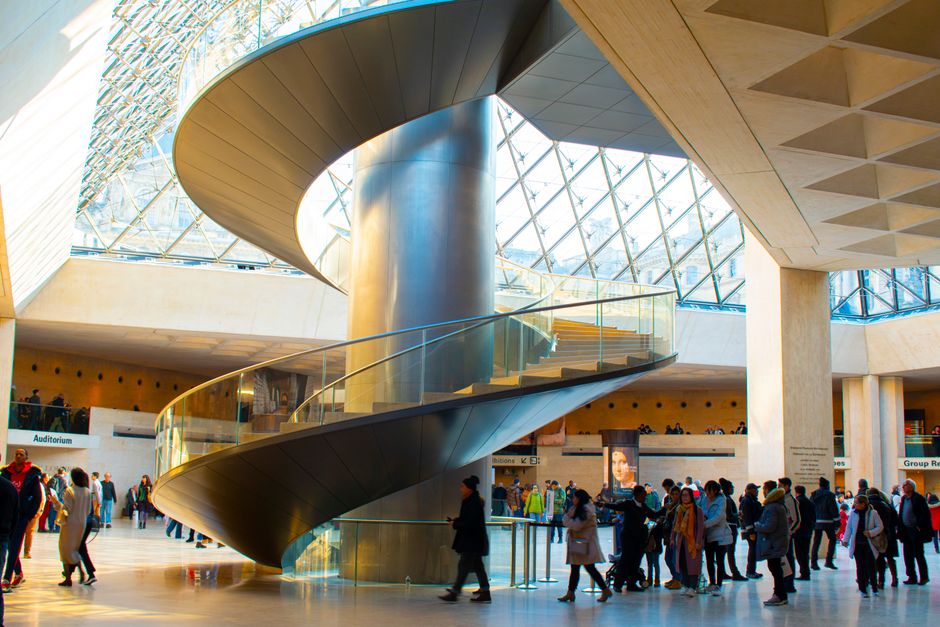
Paris's festival calendar has always celebrated the established. But this summer, something quietly seismic is happening: the city's most respected cultural institutions are deliberately programming around artists nobody's heard of yet—and younger audiences are showing up in numbers that surprise even the organisers.
The shift is most visible at Villette Sonique, the electronic and hip-hop festival sprawling across the Parc de la Villette in the 19th arrondissement. Programming director announcements in May revealed that nearly 40 percent of this year's lineup comprises acts with fewer than 50,000 monthly listeners on streaming platforms. Tickets—hovering around €65 for day passes—sold out three weeks faster than 2024's edition, with a marked surge in under-25 attendance.
Marais Emerging, a newer initiative operating across galleries and smaller venues in the 4th arrondissement, exemplifies the trend more sharply. Launched just 18 months ago by a collective of independent curators, it's grown into a parallel circuit showcasing visual artists, experimental musicians, and multimedia practitioners mostly in their twenties and early thirties. June's iteration drew over 8,000 visitors—a 65 percent increase on last year.
"There's real hunger," explains the independent booking collective Électron Libre, which coordinates programming across three Oberkampf district venues. "Young people want to discover, not consume what's already validated. They're tired of the heritage narrative."
The Opéra de Bordeaux's travelling summer residency, landing at various Parisian cultural spaces through August, has similarly restructured its model. Rather than touring established productions, it's championing choreographers and composers from North African and sub-Saharan African backgrounds—several making their first major Parisian presentations. Ticket sales suggest the appetite is genuine: performances in the Latin Quarter's smaller theatres are running at 78 percent capacity, unusual for experimental work.
What's driving this? Partly, it's economics. Established touring acts command fees that strain budgets; emerging talent costs less and carries different risk profiles. But conversation with festival directors suggests something deeper: a recognition that Paris's cultural credibility depends on being a discovery engine, not a museum. Social media amplification means unknown artists can build meaningful audiences overnight. Festival programmers are learning to read signals earlier.
The window feels genuinely open. For festival-goers willing to venture into unfamiliar names, the summer of 2026 offers genuine entry points to artists who'll likely define the next cultural conversation—whether in theatre, music, dance, or visual art. That's rarer than it sounds in a city so accustomed to looking backward.
This article was compiled by AI from the sources linked above and screened before publishing. See our editorial standards.
How does this story make you feel?
Spread the word
About this article
Published by The Daily Paris
Daily brief
Free, in your inbox before 7am. Weekdays.
More in culture


