Paris's Hidden Archives: How Local History is Redefining the City's Creative Identity
From the Marais to Montmartre, a new generation of artists and institutions is mining the city's past to shape its cultural future.
From the Marais to Montmartre, a new generation of artists and institutions is mining the city's past to shape its cultural future.
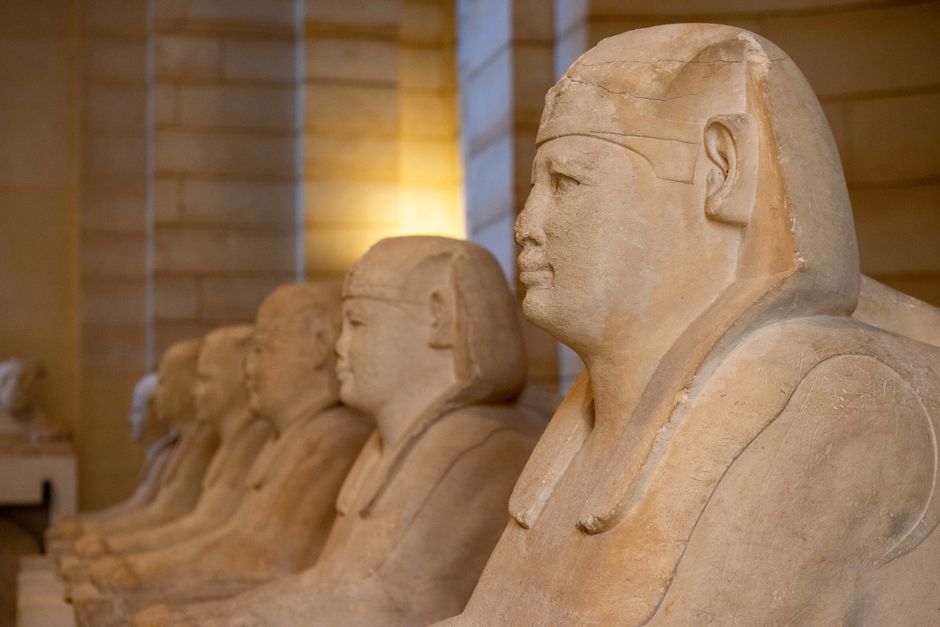
Walk through the narrow streets of the Marais on a Saturday afternoon and you'll encounter something unexpected: young curators, designers, and musicians treating Paris's layered history not as museum material, but as living creative fuel. This shift—away from heritage as static preservation and toward history as an active creative practice—is fundamentally reshaping how Parisians understand their own cultural identity.
The Centre Culturel Marais, which reopened last year after extensive renovation, now hosts monthly "Archive Labs" where emerging artists collaborate with historians to reimagine local narratives. Attendance has grown to over 2,000 monthly visitors, many under 35. "We're not curating the past," explains the centre's programming model. "We're using it as a dialogue partner." This approach has sparked a wave of site-specific installations, from audio walks tracing pre-Haussmann street names to fashion collections inspired by the Marais's 17th-century fabric merchants.
The impact extends beyond individual venues. The Bibliothèque Forney in the 13th arrondissement has partnered with design schools to digitise 400,000 textile and graphic archives, making them freely accessible. Local fashion houses like Isabel Marant have increasingly drawn inspiration from these digitised collections, creating a feedback loop where historical research directly influences contemporary production. Entry to the Forney costs €8; their digital archive attracts 50,000 unique monthly users.
Montmartre's cultural renaissance tells a parallel story. The Musée de Montmartre expanded its community archive programme in 2025, inviting residents to contribute family photographs and oral histories. Over 3,000 items now form a neighbourhood memory bank that's reshaping local artistic practice. Street artist collectives working in the 18th arrondissement frequently reference these archival discoveries, layering historical memory into public art.
This isn't nostalgia—it's strategic. As global tourism threatens to homogenise Paris's identity, local creators are using deep historical knowledge as a form of cultural resistance. The Atelier des Lumières in Belleville, once an industrial space, now hosts rotating exhibitions that directly connect neighbourhood history to contemporary visual art. Monthly ticket sales exceed 15,000.
The shift reflects a broader Parisian confidence: the city's creative future isn't about reinvention, but about deeper integration with its own complexity. Young musicians, writers, and visual artists are discovering that Paris's identity—increasingly defined by how it honours its own layered past—offers infinitely more creative potential than any trend imported from elsewhere.
This article was compiled by AI from the sources linked above and screened before publishing. See our editorial standards.
How does this story make you feel?
Spread the word
About this article
Published by The Daily Paris
Daily brief
Free, in your inbox before 7am. Weekdays.
More in culture


