In a converted workshop on Rue de la Roquette, a modest storefront has become the unlikely epicentre of a cultural reckoning. Mémoire Vivante, a volunteer-run collective established three years ago, now hosts monthly exhibitions, oral history sessions, and walking tours that spotlight the lives of factory workers, immigrant communities, and artisans whose stories were systematically erased from Paris's official heritage narrative.
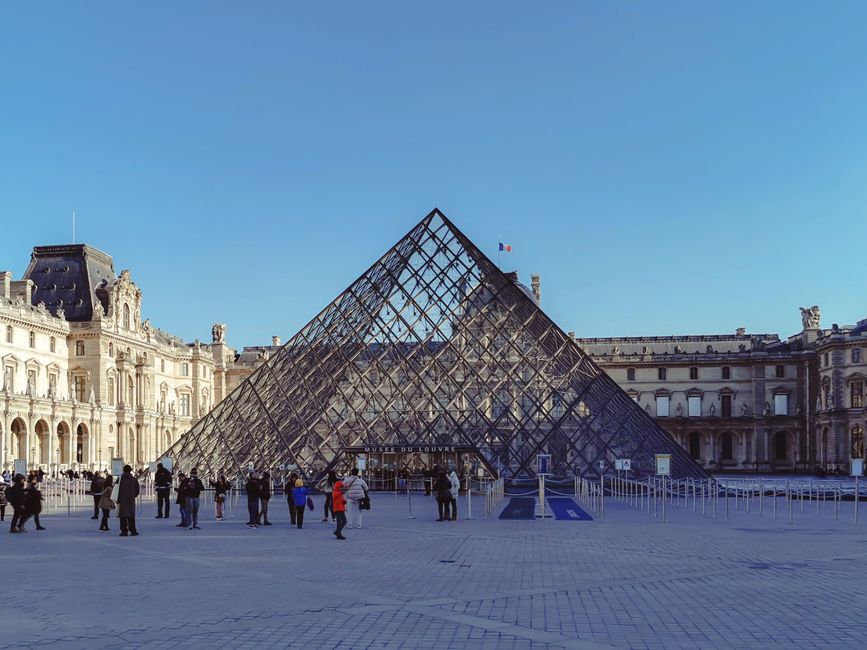
"We weren't interested in the Louvre or Versailles narratives," explains the movement's documentation coordinator, describing how the initiative emerged from neighbourhood residents frustrated by municipal indifference to local memory. "The real Paris lives in these streets."
The shift is palpable across traditionally working-class quartiers. In the 13th arrondissement, resident associations have successfully pressured the city to preserve sections of the former Manufactures des Gobelins industrial complex, while grassroots researchers have catalogued over 400 family oral histories from the post-war Algerian and Portuguese communities. A similar initiative in Belleville has mapped the sites of 1980s Jewish textile workshops and Chinese silk factories, many demolished during recent gentrification waves.
The movement's reach has expanded dramatically. This spring, the city's Parks Department approved a commemorative garden on Place des Fêtes, designed by the neighbourhood itself rather than external architects—a symbolic victory for residents demanding agency in how their heritage is represented. Meanwhile, three independent publishers have released collections of archival photographs and testimonies, with combined sales exceeding 12,000 copies across Paris's arrondissements.
Local schools have begun partnering with these groups. Fifteen secondary students recently completed a joint project documenting the stonemasons who built Haussmann's boulevards, earning official school credits while producing exhibition-quality research.
Yet tensions persist. As property values in the 10th and 11th rise—rents have increased 34 percent since 2020—these heritage initiatives face accusations of romanticising displacement rather than addressing it. Some activists argue the movement risks becoming aesthetic nostalgia that beautifies rather than critiques industrial exploitation.
Regardless, the cultural shift is undeniable. What began as a handful of residents meeting in living rooms has mobilised thousands, fundamentally challenging whose history gets preserved and by whom. For a city long obsessed with its aristocratic past, this grassroots insistence on working-class memory represents something far more radical than heritage restoration—it's a reimagining of Parisian identity itself.
This article was compiled by AI from the sources linked above and screened before publishing. See our editorial standards.