The Architects of Memory: How a Collective of Historians Saved the Marais from Erasure
Inside the quiet revolution that transformed Paris's Jewish quarter into a living archive—and the unsung figures who made it possible.
Inside the quiet revolution that transformed Paris's Jewish quarter into a living archive—and the unsung figures who made it possible.
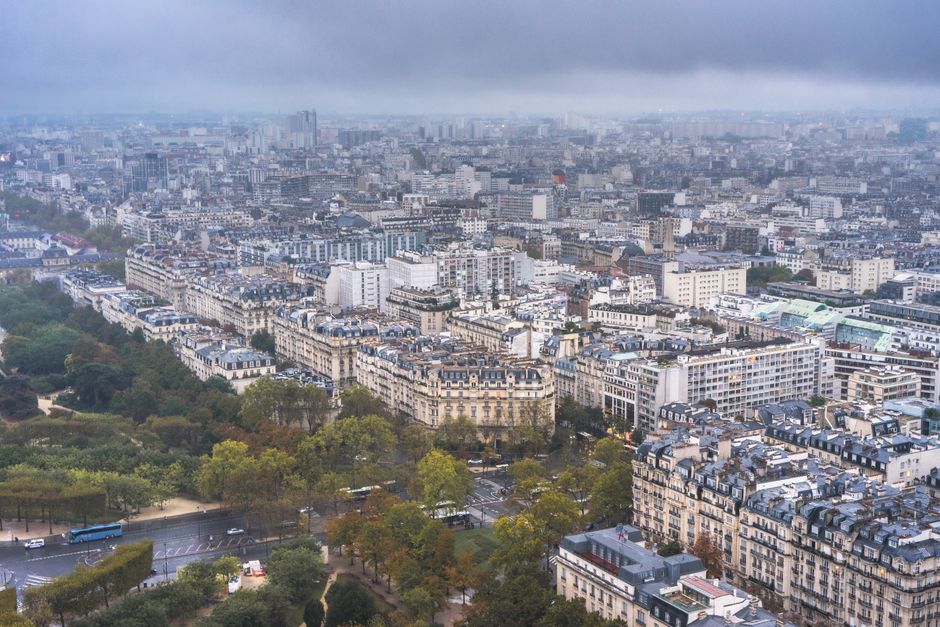
Walking through the narrow streets of the Marais today, few visitors realize they're moving through a meticulously reconstructed cultural landscape. The plaques marking deported residents on rue des Rosiers, the restored Hôtel de Soubise archives, the carefully preserved synagogues tucked between boutiques—none of this preservation happened by accident. It was the deliberate work of a small group of researchers, archivists, and community advocates who fought throughout the 1980s and 1990s to prevent the Marais's Jewish heritage from being paved over by gentrification.
The pivot came in 1985 when the Mémorial de la Shoah, then operating from cramped offices near Place des Vosges, began systematically documenting the neighborhood's pre-war identity. What emerged was staggering: between 1940 and 1944, nearly 13,000 Jews had been deported from the 4th arrondissement alone. Yet by the 1980s, fewer than a dozen memorials existed. Rising property values were accelerating the disappearance of Yiddish signage, family businesses, and institutional memory.
The turning point came when researchers established the Shoah Memorial's permanent home at 17 rue Geoffroy-l'Asnier in 2005—but the groundwork had been laid decades earlier by individuals like the late historian Maurice Rajsfus, who documented survivor testimonies in his apartment on rue Vieille-du-Temple. His oral history project, begun in the 1970s on a shoestring budget, became foundational to understanding how the Marais functioned as a living community, not just a historical casualty.
Today, the neighborhood hosts over 180,000 visitors annually to its Jewish heritage sites. The economic impact—estimated at €12 million yearly in cultural tourism—has paradoxically helped preserve what might otherwise have been demolished for luxury apartments. Yet community leaders at organizations like the Association for the Memory of the Shoah maintain that commercial success brings new pressures. New restaurants and galleries continue to arrive; some longtime residents worry about authenticity slipping away again.
The lesson embedded in the Marais's stones is harder than it appears: remembrance requires active, continuous human effort. It's maintained not through grand monuments but through the persistent work of archivists, teachers, and communities who insist their neighborhoods retain their stories. As gentrification cycles through Paris's other quarters, that architecture of memory—built by people most Parisians will never know—remains the most durable protection against erasure.
This article was compiled by AI from the sources linked above and screened before publishing. See our editorial standards.
How does this story make you feel?
Spread the word
About this article
Published by The Daily Paris
Daily brief
Free, in your inbox before 7am. Weekdays.
More in culture
