Summer in Paris means shoulder-to-shoulder queues at major museums—and strategic planning that separates seasoned visitors from frazzled tourists. Whether you're chasing masterpieces or discovering emerging galleries, understanding the landscape is essential.
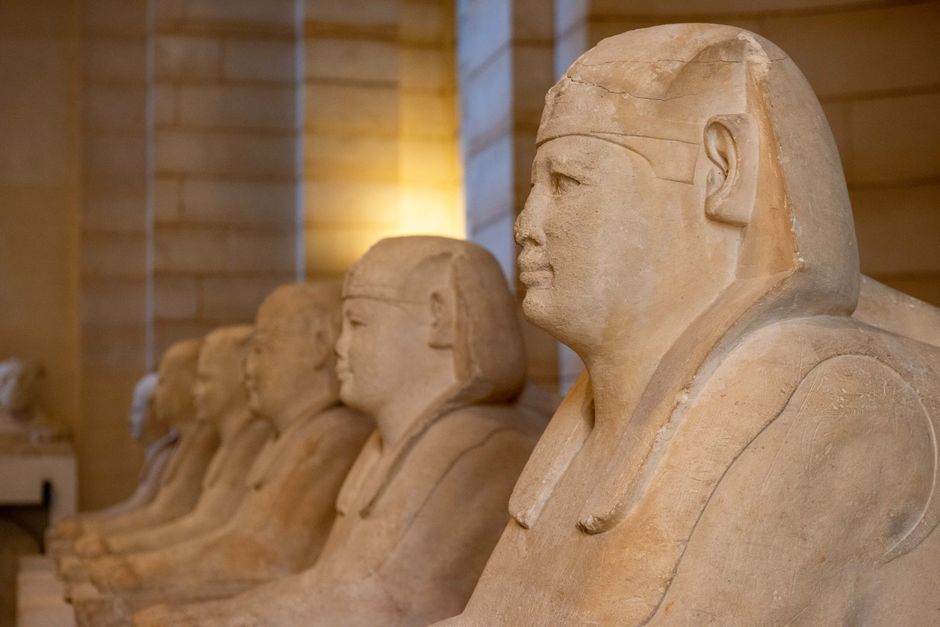
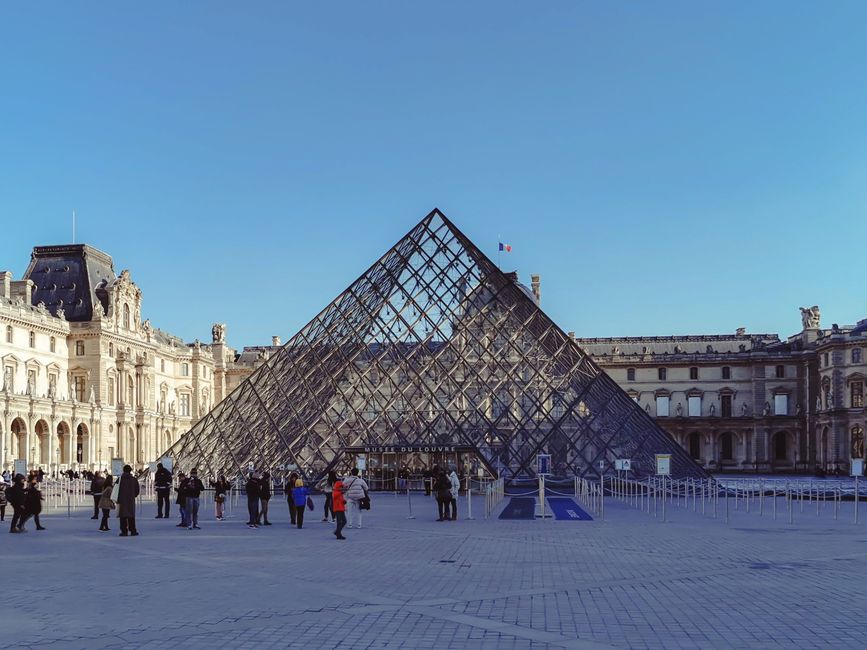
The Louvre remains unavoidable, yet most visitors squander hours navigating its 38,000 artworks. Book timed tickets online weeks in advance; morning slots before 10 a.m. offer relative breathing room. Pro tip: skip the Mona Lisa crowds and head straight to the Denon Wing's Italian Renaissance galleries or the lesser-known Islamic Art section on the ground floor. Entry hovers around €18 for standard admission, though many European under-26s enter free.
If Renaissance fatigue sets in, the Musée d'Orsay on the Left Bank's Left Bank offers Impressionist masterpieces in a former railway station—infinitely more digestible than the Louvre, with manageable crowds if you arrive by 9 a.m. At €14 per ticket, it's also gentler on the wallet.
Contemporary art seekers should head to the Marais district, where galleries cluster densely along Rue de Turenne and Rue Saint-Paul. This neighbourhood pulses with independent spaces: the Galerie Thaddaeus Ropac showcases major international contemporary work, while smaller galleries offer cutting-edge installations for free or minimal entry. Many close Sundays and Mondays—check ahead.
For something utterly unexpected, the Centre Pompidou's brutal modernist architecture dominates Beaubourg like a mechanical spider. Its contemporary collections span six floors; the rooftop views alone justify the €15 ticket. The building itself—with its exposed escalators and tubular colour-coding—remains Paris's most polarizing monument.
Budget considerations matter. A Museum Pass (€82 for three days, €112 for six) unlocks unlimited access to 60+ institutions including the Louvre, Versailles, and Musée de Cluny. For serious gallery-hoppers visiting multiple venues, it typically pays for itself after four museums.
The Left Bank's Latin Quarter hosts smaller, specialized museums—the Delacroix Museum (€5) occupies the painter's actual studio; the Musée de la Monnaie (€9) holds surprisingly engaging numismatic and contemporary art exhibitions. These spaces reward curious visitors seeking respite from blockbuster crowds.
Finally, don't underestimate Paris's neighbourhood galleries. Montmartre's artistic heritage survives in smaller spaces around Place du Tertre, while the 13th arrondissement's former industrial zones are emerging as a street art and contemporary installation hub. Walking these districts costs nothing and often yields discoveries no guidebook mentions.
This article was compiled by AI from the sources linked above and screened before publishing. See our editorial standards.