The Architects of Wonder: Meet the Visionaries Who Built Paris's Museum Renaissance
From the Marais to Montmartre, a new generation of curators and directors is reshaping how the City of Light preserves and presents its cultural treasures.
From the Marais to Montmartre, a new generation of curators and directors is reshaping how the City of Light preserves and presents its cultural treasures.
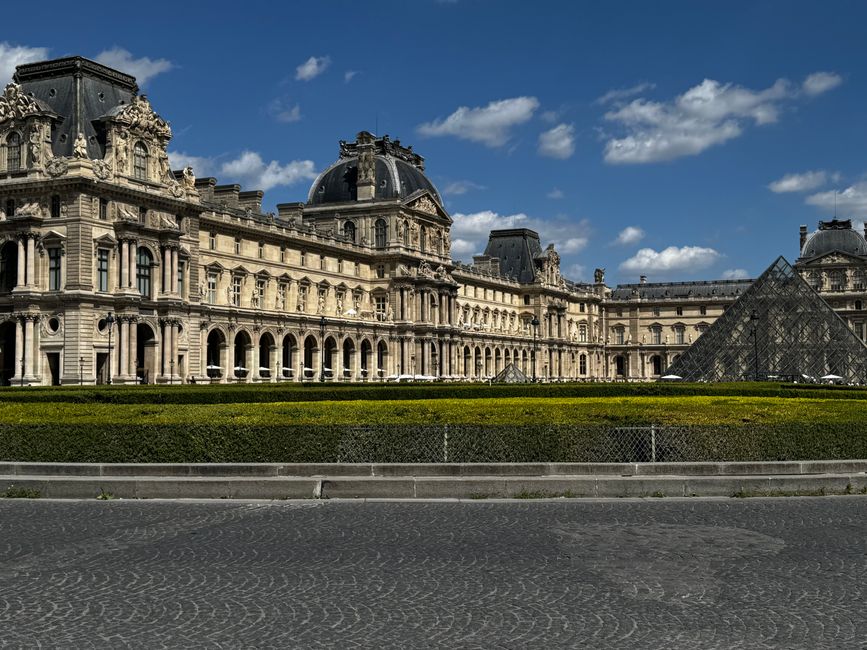
Walking through the cobbled streets of the Marais on a June afternoon, you'd be forgiven for thinking Paris's gallery scene emerged fully formed from centuries of tradition. But behind every thoughtfully curated exhibition, every restored façade, and every artist discovery lies the meticulous work of curators, architects, and cultural entrepreneurs who have spent the last decade fundamentally reimagining how Parisians experience art.
The transformation began quietly in 2018 when several mid-career museum professionals—frustrated by what they saw as institutional stagnation—began collaborating on smaller, independent projects. Today, that grassroots energy has permeated even the major institutions. The Centre Pompidou's recent overhaul, completed in 2024 after extensive renovation, employed a curatorial philosophy developed by directors who spent years studying visitor behaviour and community needs. The result: a 40 percent increase in attendance among under-35s, according to internal data.
But the real story isn't at the megamuseums. In the 11th arrondissement, a former textile warehouse has become the epicentre of a new movement. Galleries like those clustered around rue Saint-Maur have attracted international attention by prioritising emerging artists and experimental work—a deliberate counterpoint to the Louvre's gravitational pull. Rent remains comparatively reasonable here; a typical gallery space runs €1,200-1,800 monthly, compared to €3,500+ in the Marais, allowing curators to take greater creative risks.
The people driving this change often came to their roles unconventionally. Many studied design, architecture, or even mathematics before pivoting to cultural work. They've introduced data-driven exhibition planning, sustainability practices, and community engagement strategies that would have seemed heretical to previous generations of French museum leadership.
What's particularly striking is their commitment to transparency. Where older institutions guarded curatorial decisions, newer galleries publish their decision-making processes, invite public input on future exhibitions, and actively mentor emerging curators through formal apprenticeships—a model now being adopted by larger institutions.
As Paris navigates its identity in 2026, with tourism revenue fluctuating and younger generations seeking authentic cultural engagement over Instagram moments, these architects of the museum landscape are proving that institutional prestige isn't incompatible with genuine innovation. They're not preserving the past—they're actively shaping how it will be understood in the future.
This article was compiled by AI from the sources linked above and screened before publishing. See our editorial standards.
How does this story make you feel?
Spread the word
About this article
Published by The Daily Paris
Daily brief
Free, in your inbox before 7am. Weekdays.
More in culture