Paris's Gallery Scene Is Buzzing: Here's Why Everyone Is Talking About the Summer Shift
A wave of ambitious exhibitions and neighbourhood gallery expansions is remaking the capital's art world conversation just as the season begins.
A wave of ambitious exhibitions and neighbourhood gallery expansions is remaking the capital's art world conversation just as the season begins.
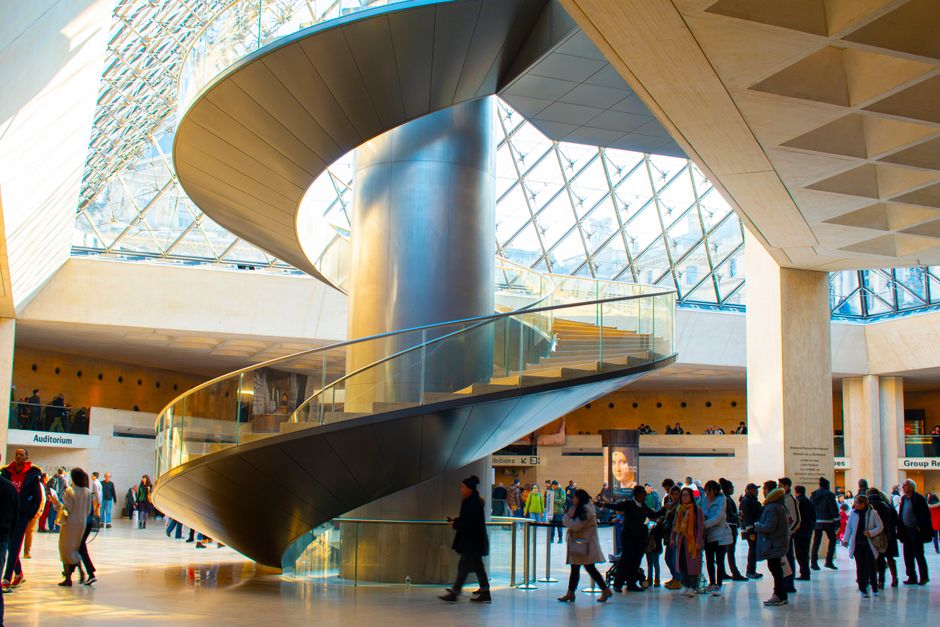
Walk down Rue de Turenne in the Marais these days and you'll notice something has shifted. Where established galleries once dominated, younger spaces are staking their claims with bolder programming, cheaper entry points, and a defiant energy that's electrifying locals. This isn't nostalgia—it's a genuine recalibration of how Paris's art world functions, and galleries from the 3rd arrondissement to Belleville are suddenly the subject of studio conversations and café debates.
The catalyst? Several converging forces. First, a generation of curators and dealers who came of age post-2008 have finally accumulated enough resources to realise their visions independently. Second, rents on the Left Bank have become prohibitive enough that the geographic centre of gravity has genuinely shifted eastward. Third—and this matters culturally—there's a deliberate pushback against the Parisian gatekeeping that defined the scene for decades. The days of needing a connection to see emerging work are quietly dying.
Take the Belleville corridor. What five years ago felt marginal now pulses with activity. Galleries are staying open later, collaborating across blocks, and attracting international collectors who previously bypassed the neighbourhood entirely. Meanwhile, in the Marais proper, spaces are experimenting with hybrid models—café-gallery combinations, artist residencies integrated with retail, programming that bleeds into the street. The Kunsthalle Mulhouse's satellite presence near Place des Vosges exemplifies this new pragmatism.
Museums, sensing the energy, are responding. The Centre Pompidou's announcement of expanded contemporary programming through autumn has sparked genuine conversation about accessibility and who these institutions actually serve. And the smaller institutions—Musée d'Art Moderne, Galerie Thaddaeus Ropac's Paris location—are being discussed with an intensity that suggests people genuinely care again about what's on view.
Prices matter here. A generation accustomed to Instagram galleries and artist-run spaces is less willing to accept €15 admission fees for uninspiring shows. The better galleries are pricing intelligently: €8-10 for emerging spaces, free opening nights becoming standard, student rates that actually exist. It's not revolutionary, but it signals respect for the actual community, not just collectors.
What locals are really talking about is autonomy. Paris's art world has always operated according to certain unspoken rules—hierarchies, gatekeepers, acceptable narratives. That's visibly fracturing. The conversation now centres on what you can discover yourself, who you can access directly, which neighbourhood feels genuinely alive. That's not just good for art. It's good for Paris.
This article was compiled by AI from the sources linked above and screened before publishing. See our editorial standards.
How does this story make you feel?
Spread the word
About this article
Published by The Daily Paris
Daily brief
Free, in your inbox before 7am. Weekdays.
More in culture