From Belle Époque to Digital Age: How Paris's Marais District Reinvented Cultural Identity
A walk through the Marais's winding medieval streets reveals how one neighbourhood transformed from aristocratic refuge to Europe's most dynamic creative hub.
A walk through the Marais's winding medieval streets reveals how one neighbourhood transformed from aristocratic refuge to Europe's most dynamic creative hub.
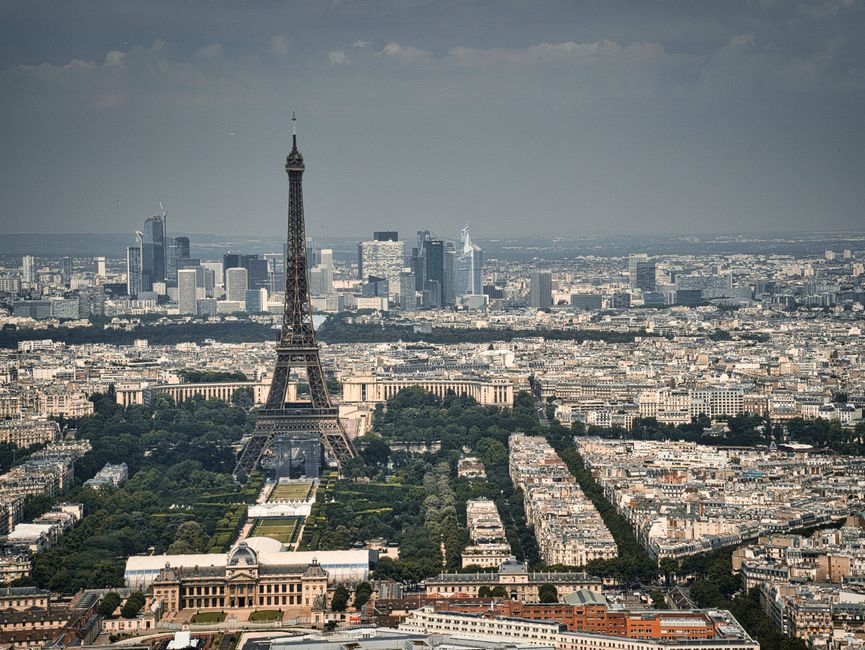
The Marais exists in layers. Beneath its contemporary galleries, concept cafés, and LGBTQ+ venues lies a neighbourhood that has reinvented itself across five centuries, each iteration leaving fingerprints on its cobblestones and façades.
During the 16th century, when Henri IV built Place des Vosges—still the neighbourhood's crown jewel—the Marais was where nobility built their hôtels particuliers, palatial townhouses that signalled arrival and influence. The aristocratic era persisted until the Revolution redirected wealth and attention westward to newer quarters. By the 19th century, the area had descended into working-class density, its grand mansions subdivided into tenement housing. The Jewish community, fleeing persecution across Europe, established themselves along Rue des Rosiers, transforming the neighbourhood into the heart of Paris's vibrant Jewish cultural life.
The transformation accelerated in the 1970s when artists and activists discovered affordable rent and authentic character. The Pompidou Centre's 1977 opening—that inside-out modernist provocation on Rue Saint-Martin—became a cultural catalyst, attracting galleries, performance spaces, and a bohemian energy that persists today. The Centre now attracts 5.5 million visitors annually, anchoring the neighbourhood's position as a cultural destination.
Today's Marais reflects accumulated identity. The Jewish quarter remains vital—kosher restaurants and bakeries on Rue des Rosiers still draw crowds—yet coexists with decades of LGBTQ+ community building. The neighbourhood hosts France's largest Pride celebration, with 2024's parade drawing approximately 400,000 participants through these same medieval streets.
Contemporary galleries cluster around Rue de Turenne and the side streets of the Place des Vosges arcades, where contemporary art galleries charge €5-8 entry. Small museums like the Musée Carnavalet—dedicated to Paris history itself—occupy Marais palaces, offering free permanent collections and chronicling precisely this kind of neighbourhood evolution.
What distinguishes the Marais from other gentrifying quarters is architectural continuity. Medieval street patterns remain unchanged. Renaissance façades shelter modern boutiques. The neighbourhood's identity isn't erased by evolution—it's palimpsestic, each era visible beneath the next.
Recent initiatives attempt preserving this complexity. In 2023, the city designated the Marais a protected heritage zone, restricting commercialisation while acknowledging that cultural vitality demands room for new voices. The challenge ahead lies in maintaining the neighbourhood's legendary eclecticism while preventing it becoming a museum of itself—keeping the Marais alive rather than preserved.
This article was compiled by AI from the sources linked above and screened before publishing. See our editorial standards.
How does this story make you feel?
Spread the word
About this article
Published by The Daily Paris
Daily brief
Free, in your inbox before 7am. Weekdays.
More in culture


