The Architects of Vision: Meet the Curators Reshaping Paris's Gallery Landscape
Behind Paris's thriving contemporary art scene are the visionary directors and collectors quietly revolutionizing how the city experiences culture.
Behind Paris's thriving contemporary art scene are the visionary directors and collectors quietly revolutionizing how the city experiences culture.
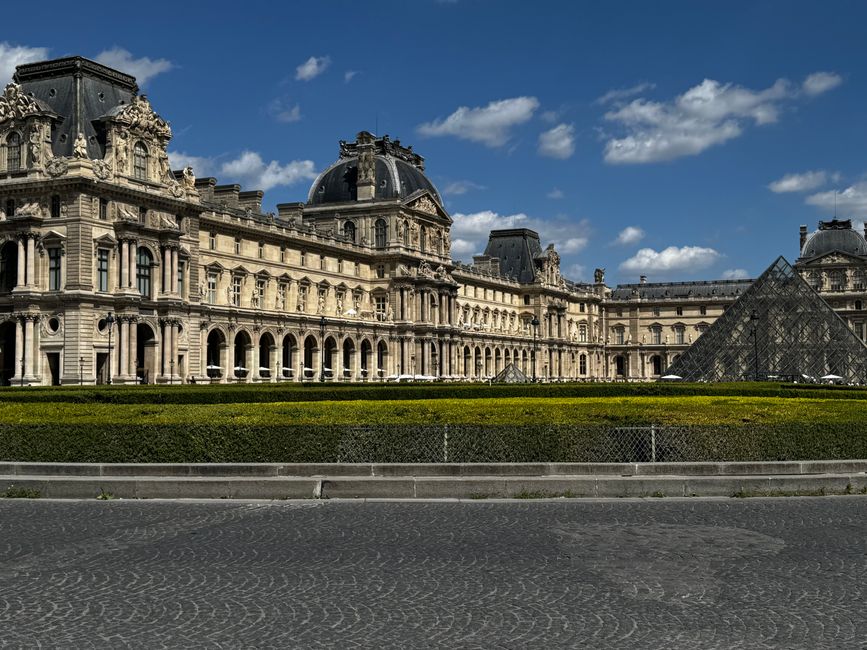
Walk through the Marais on a Saturday afternoon and you'll encounter something remarkable: a neighbourhood that has transformed itself into Europe's most dynamic gallery district, not by accident, but through the deliberate vision of a tight-knit community of curators, collectors, and cultural entrepreneurs.
The story begins, improbably, with real estate prices. A decade ago, as commercial rents along the Champs-Élysées climbed beyond reach, a generation of gallery owners made an audacious bet on the narrow streets between Rue de Turenne and Rue de l'Abbaye. Today, the Marais hosts over 40 contemporary art galleries, with institutions like Galerie Thaddaeus Ropac and Perrotin operating flagship spaces that draw collectors from across the globe.
What distinguishes these spaces is the philosophy of their operators. Unlike the blockbuster approach of major museums, gallery directors here have embraced what insiders call "intimate curation"—limiting visitor numbers, offering extended viewing hours, and treating each exhibition as a dialogue with the neighbourhood itself. "We're not competing with the Louvre," explains the collaborative ethos that binds these spaces together. "We're creating a different conversation."
This philosophy has had measurable impact. According to the Paris Chamber of Commerce, gallery visits in the Marais increased 43 percent between 2022 and 2025, while the average exhibition attendance at smaller venues grew from 2,800 to 4,200 visitors. Meanwhile, emerging artists report that landing a Marais gallery show now carries prestige comparable to major institutional representation.
The ecosystem extends beyond commercial galleries. The 6th arrondissement's independent curator collective, based loosely around Boulevard Saint-Germain, has pioneered artist residency programmes that have produced over 200 emerging practitioners in the past five years. Meanwhile, collectors—many of them first-generation wealth from tech and fashion—have begun establishing private foundations open to public viewing, further democratizing access to contemporary work.
Yet this success contains contradictions. Rent increases in the Marais now threaten the smaller galleries that created the neighbourhood's reputation. Several landmark spaces have closed in the past eighteen months, replaced by design boutiques and restaurants. The community that built this scene now fights to preserve the conditions that made it possible.
As Paris's cultural economy continues to evolve, the people who created this landscape face an uncomfortable question: can institutional success coexist with the scrappy experimentalism that birthed it? Their answer will define not just the Marais, but the city's relationship with contemporary culture for decades to come.
This article was compiled by AI from the sources linked above and screened before publishing. See our editorial standards.
How does this story make you feel?
Spread the word
About this article
Published by The Daily Paris
Daily brief
Free, in your inbox before 7am. Weekdays.
More in culture


