Emerging Fashion Designers Paris: 5 Voices Reshaping Design
Discover how emerging fashion designers in Paris's Marais and Belleville are challenging luxury houses. Meet the independent creators reshaping European design in 2026.
Discover how emerging fashion designers in Paris's Marais and Belleville are challenging luxury houses. Meet the independent creators reshaping European design in 2026.
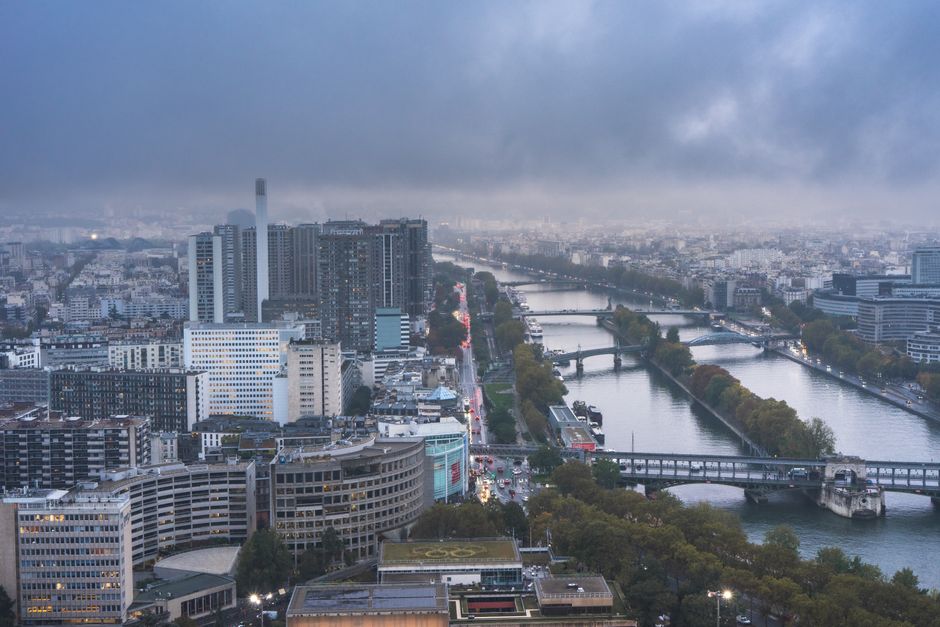
While LVMH and Kering continue to dominate headlines, Paris's creative ecosystem is quietly undergoing a generational shift. Young designers—many launching collections with budgets under €50,000—are finding studio space and community support in unexpected quarters, reshaping what it means to be a Paris fashion voice in 2026.
The Marais, long dominated by heritage houses, has become an incubator for experimental work. Espace Niemeyer, the collective workspace on rue des Francs-Bourgeois, now hosts thirteen independent designers sharing resources and mentorship. The model reflects a broader trend: according to a recent Chambre Syndicale de la Mode report, 34% of emerging designers cite collaborative studio arrangements as essential to viability. Monthly rent for shared ateliers has stabilized around €400–600 per person—a far cry from the €2,000+ individual studio costs in the 8th arrondissement.
Belleville's transformation has been equally striking. What five years ago was largely warehouse space is now home to independent showrooms, including the newly established Fashion Futures initiative on rue de Belleville, which provides mentorship, pattern-making facilities, and networking access to designers under thirty. The venue hosts quarterly presentations to international buyers and press, democratizing access to the traditional fashion calendar gatekeepers.
Social media has fundamentally altered how emerging talent gains traction. Several promising designers have built substantial followings—and actual sales—before ever showing traditionally. The shift has forced established industry players to scout beyond official channels. SNCF's recent decision to commission designs from three emerging Paris-based creators for its 2027 high-speed train interiors signals genuine institutional interest in fresh perspectives.
The economic pressures are real. Fabric sourcing in the post-2025 supply chain remains volatile, and production costs in Western Europe have risen sharply. Yet emerging designers emphasize sustainability and locality as differentiators. Many source deadstock from Sentier textile suppliers or collaborate with heritage mills in Normandy, turning constraints into narrative strengths.
These emerging practitioners are deliberately moving away from the celebrity-designer model. Instead, they're building brands around craftsmanship, cultural specificity, and direct-to-consumer strategies. The result feels distinctly Parisian—intellectually rigorous, visually sophisticated, and fundamentally collaborative—yet unshackled from the rigid expectations that have long defined the city's fashion establishment.
For those tracking the industry, the next twelve months will prove decisive. Paris Fashion Week's June schedule will offer crucial visibility. But the real innovation is happening in studio conversations on rue des Vosges, in late-night pattern-cutting sessions in Belleville, and in the Instagram DMs of buyers still hunting for the next distinctive voice.
This article was compiled by AI from the sources linked above and screened before publishing. See our editorial standards.
How does this story make you feel?
Spread the word
About this article
Published by The Daily Paris
Daily brief
Free, in your inbox before 7am. Weekdays.
More in culture