Walk along the Seine today and you'll encounter a paradox that defines contemporary Paris: centuries-old châteaux standing beside cutting-edge media labs, classical concert halls sharing neighbourhoods with underground electronic venues. This tension isn't new. It's the beating heart of how Paris's cultural identity has evolved.
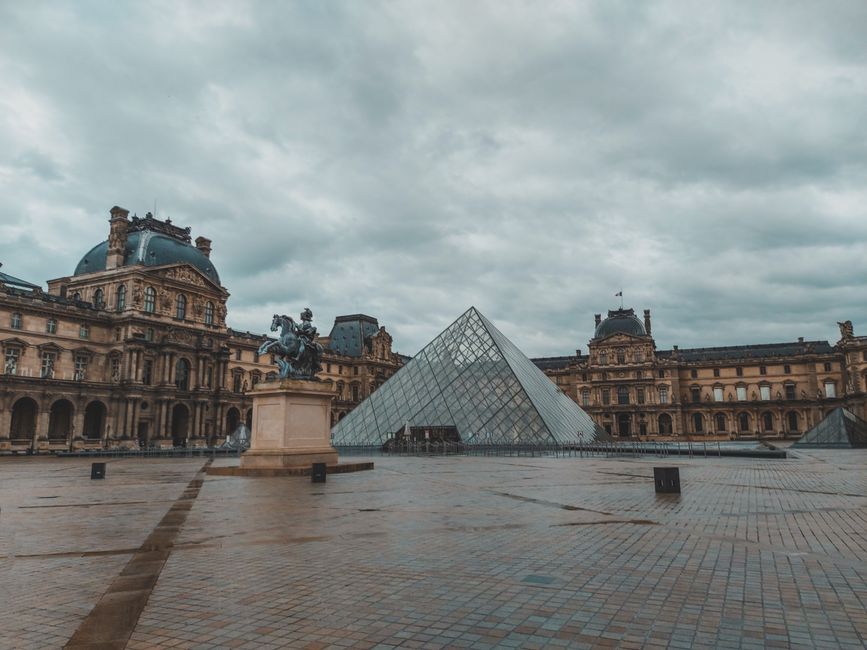
The transformation began long before 2026. The Musée du Louvre, which welcomed 8.9 million visitors in 2024, now allocates 12 per cent of its annual budget to digital initiatives—a stark contrast to the institution's 1793 founding vision. Meanwhile, the Marais district, once a Jewish quarter defined by artisanal workshops and family businesses, has become a gallery-dense creative hub with over 80 contemporary art spaces clustered between Rue Turenne and Rue de Turenne.
What's remarkable is how these shifts happened without erasing what came before. The Centre Pompidou's 1977 opening in the 4th arrondissement was meant to democratise modern art; by 2026, it's become a blueprint for how heritage institutions can remain culturally central while experimenting with audience engagement. Last year, their immersive digital retrospectives drew younger crowds than their permanent collections alone ever did.
In Belleville—historically the working-class heartland where cabaret culture and street art flourished—we see perhaps the starkest evolution. Street murals by artists like JR and Shepard Fairey now sit alongside UNESCO recognition of the neighbourhood as a cultural preservation zone. Yet rents have tripled since 2015, creating an uncomfortable reality: preservation sometimes displaces the communities it celebrates.
The Latin Quarter tells another story. The Sorbonne's 13th-century origins as a theological college evolved into Europe's intellectual crucible. Today, it coexists with independent bookshops on Rue de la Bûcherie and experimental theatre collectives in converted warehouse spaces. These aren't contradictions—they're layers.
What emerges across Paris's cultural landscape isn't decline or replacement, but accumulation. The city's identity rests on its refusal to choose between preserving Haussmann's architectural legacy and hosting Tech.Paris innovation hubs. Between maintaining the grandeur of Opéra Garnier and nurturing the 200-plus underground music venues clustered around the Canal Saint-Martin.
For Parisians observing these shifts, the question isn't whether the city's cultural scene can survive change. History suggests it thrives on it. The real challenge—and opportunity—lies in ensuring that evolution includes rather than erases the voices that made Paris culturally revolutionary in the first place.
This article was compiled by AI from the sources linked above and screened before publishing. See our editorial standards.