Paris remains the world's most visited city for art and culture, welcoming over 29 million tourists annually to its galleries and museums. Yet navigating the scene requires strategy. Whether you're a first-time visitor or a seasoned collector, understanding the landscape—and knowing where the real discoveries happen—transforms a visit from pleasant to unforgettable.
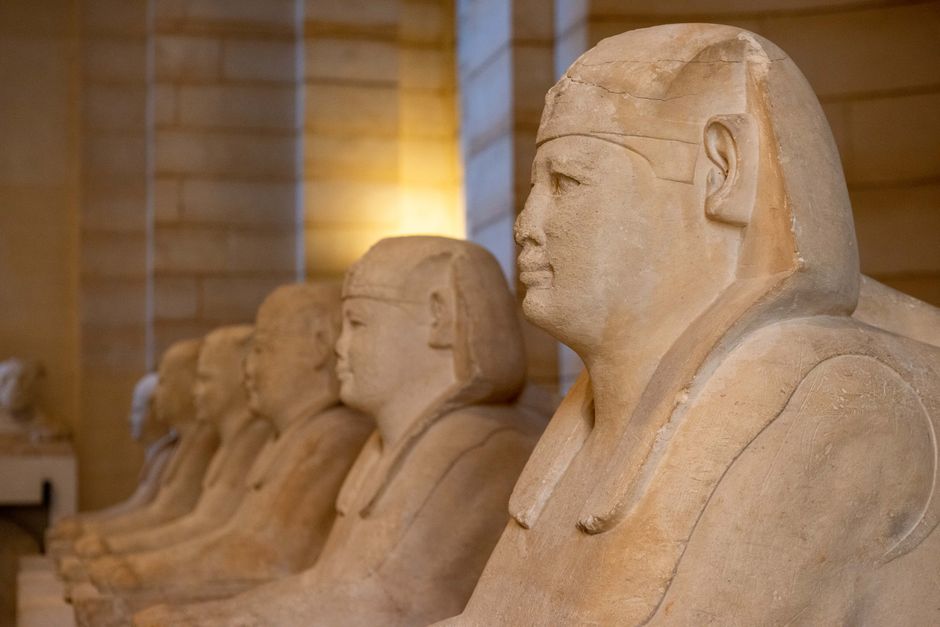
Start with the obvious: the Louvre remains essential, though advance booking is non-negotiable. Tickets sell out weeks ahead, and queues without reservations can stretch two hours. The museum's recent renovation of the Egyptian galleries has drawn record summer crowds. But Paris's magic lies equally in its mid-tier institutions. The Musée d'Orsay on the Left Bank houses the world's finest Impressionist collection and rarely feels as overwhelming as its larger neighbour. Allow at least three hours; the Seine-side location rewards lingering on the terrace café.
The real pulse beats in the Marais. This historic neighbourhood—bounded roughly by République, Bastille, and the Seine—has become Europe's most dynamic contemporary art district. Galerie Thaddaeus Ropac on Rue Saint-Claude represents mega-gallery prestige, but venture into side streets and discover smaller spaces: Galerie Nathalie Obadia, Galerie Meyer Kainer, and dozens of artist-run collectives operate from converted townhouses. Many galleries close in August; check ahead. Most charge no admission.
Don't overlook the Centre Pompidou in the 4th arrondissement. Its radical inside-out architecture still surprises, and the contemporary collection—particularly its photography and video wings—rivals New York's MoMA. The rooftop terrace offers unobstructed views across the city's skyline; sunset visits feel like secret knowledge.
For intimate experiences, the Musée Picasso in the Marais occupies the magnificent Hôtel Salé and requires only an hour or two. The Rodin Museum's sculpture gardens in the 7th arrondissement provide unexpected tranquility within the urban sprawl. Many visitors miss the Musée de Montmartre entirely, despite its collection of Belle Époque masterworks and village-like gardens overlooking the city.
Practical note: most major museums close Mondays or Tuesdays—verify before planning. Many offer free entry to EU residents under 26; prices typically range €12–18 for independent galleries, €15–17 for major museums. The Paris Museum Pass (€79 for three days) covers 60 institutions and allows queue-skipping at major venues.
Summer 2026 brings several unmissable exhibitions, though specifics shift seasonally. Check each institution's website—French museum sites are increasingly user-friendly in English. The key to Paris's art scene isn't seeing everything; it's discovering something that moves you in a city that still believes art matters.
This article was compiled by AI from the sources linked above and screened before publishing. See our editorial standards.