Walk into any bar in the 11th arrondissement these days and you'll encounter not just a drink, but a philosophy. Paris's restaurant and bar scene has undergone a quiet revolution over the past half-decade, evolving from a conservative bastion of haute cuisine into a laboratory for culinary experimentation that mirrors the city's broader creative awakening.
The shift is most visible in Belleville, where establishments like Mary Celeste and Boot Café have become unlikely cultural hubs where musicians, designers, and writers congregate as readily as diners. These venues—many occupying former workshop spaces—embody a democratisation of dining that challenges Paris's traditional class-conscious restaurant hierarchy. A craft cocktail here costs €12-15, not the €20+ of the Golden Triangle; a plate of charcuterie arrives without ceremony.
This transformation extends beyond price points. According to the Chamber of Commerce and Industry Paris Île-de-France, approximately 60% of new restaurant openings in central Paris over the past three years have emphasised zero-waste practices, direct relationships with small-scale producers, or chef-driven experimentation. The Marais, once defined by established luxury addresses, now hosts a thriving ecosystem of wine bars specialising in natural wines from small French vineyards—establishments that function simultaneously as tasting rooms, galleries, and community spaces.
The phenomenon reflects broader cultural currents. As Paris grapples with its identity in an increasingly globalised world, its dining culture has become a vehicle for asserting local distinctiveness. Neighbourhoods like Oberkampf have experienced wholesale cultural regeneration, with restaurants serving as anchors for artistic communities. Venues hosting live jazz alongside dinner service, or pairing exhibitions with wine tastings, operate as de facto cultural institutions—filling a role traditionally occupied by formal galleries and concert halls.
What distinguishes this moment is authenticity of purpose. These aren't nostalgia-driven recreations of bohemian Paris, but genuine expressions of how contemporary Parisians—many under 40—want to live and create. The average meal at a neighbourhood bistro in the 10th costs €25-35, while maintaining integrity about sourcing and preparation.
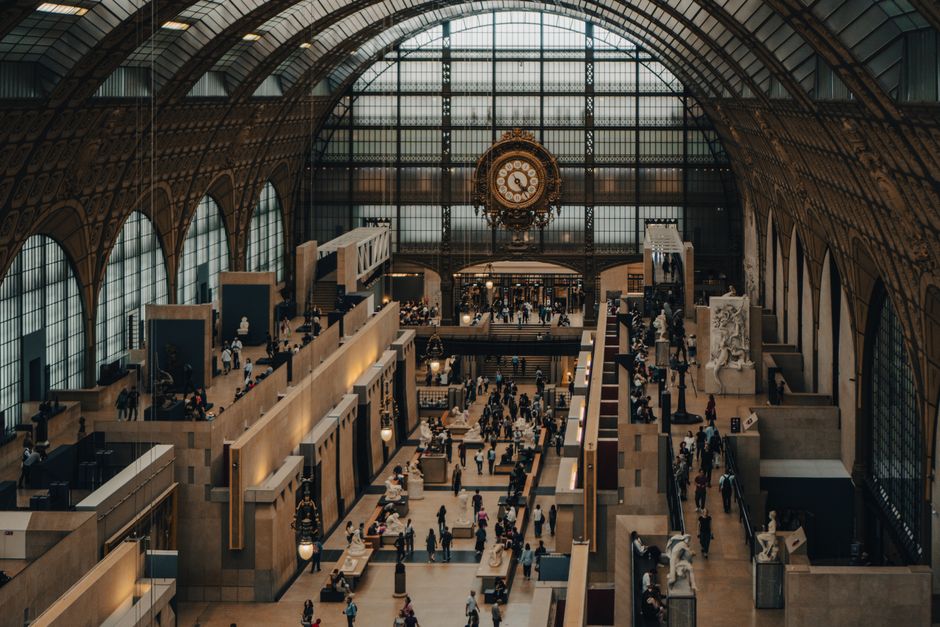
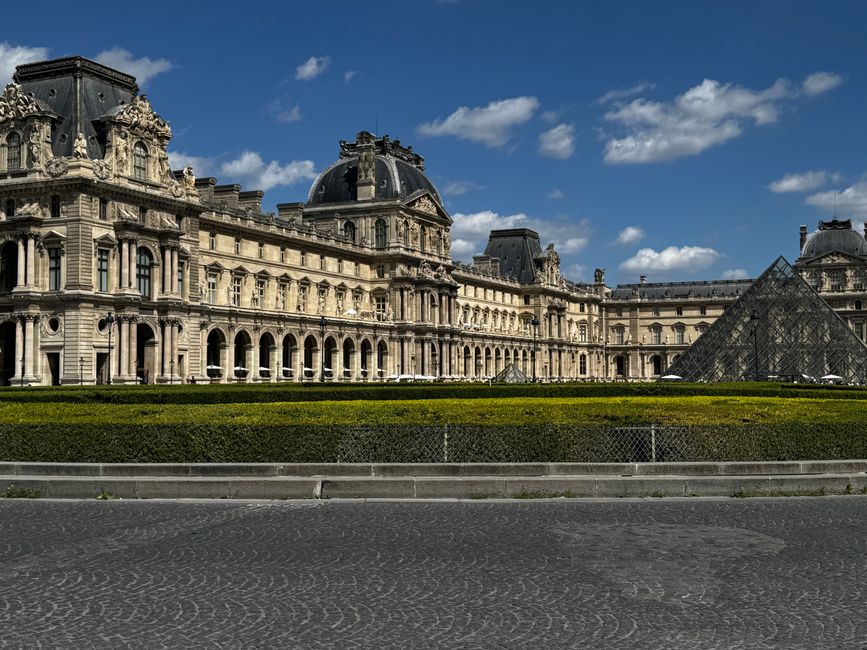
The city's cultural institutions have noticed. Museums increasingly partner with restaurants for evening programming; the Centre Pompidou's collaborative food projects with surrounding eateries draw crowds as reliably as exhibitions. Dining has become inseparable from the broader cultural conversation.
Paris remains Paris—fine dining, historical prestige, and aesthetic refinement endure. But increasingly, the city's creative pulse beats strongest not in Michelin-starred dining rooms, but in crowded wine bars where strangers become collaborators, and a well-made aperitif opens conversations that reshape the city's cultural landscape.
This article was compiled by AI from the sources linked above and screened before publishing. See our editorial standards.