Paris's Gallery Renaissance Is Redefining What It Means to Be a Creative Capital
From the Marais to Belleville, a new generation of curators and independent spaces is reshaping the city's cultural identity beyond the weight of its own legacy.
From the Marais to Belleville, a new generation of curators and independent spaces is reshaping the city's cultural identity beyond the weight of its own legacy.
Walk through the narrow streets of the Marais on a Thursday evening and you'll encounter something unmistakably Parisian—yet entirely new. Where decades of tradition once dominated the Left Bank's aesthetic, today's gallery scene pulses with a restless energy that challenges the very notion of what Paris's creative identity should be.
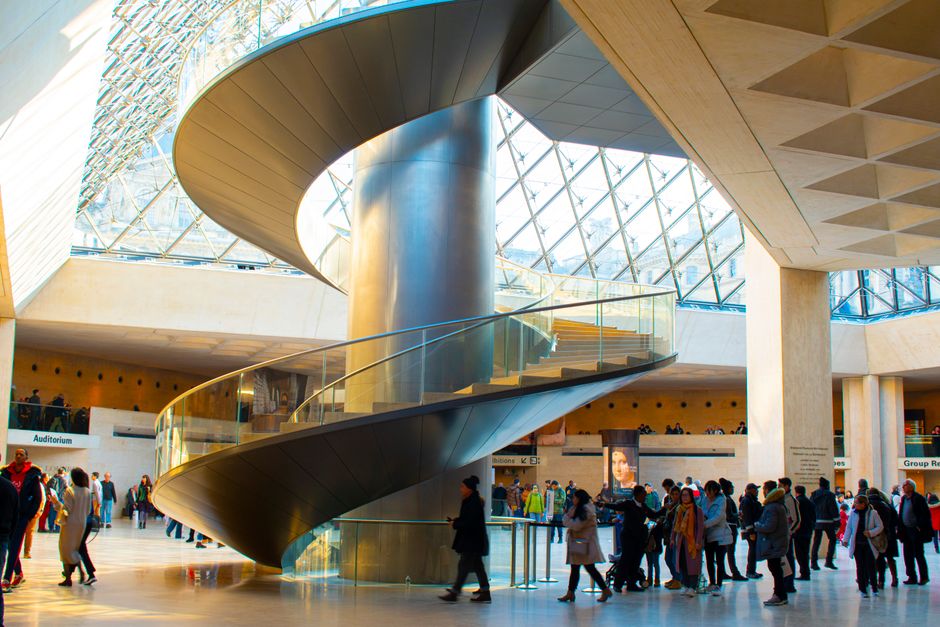
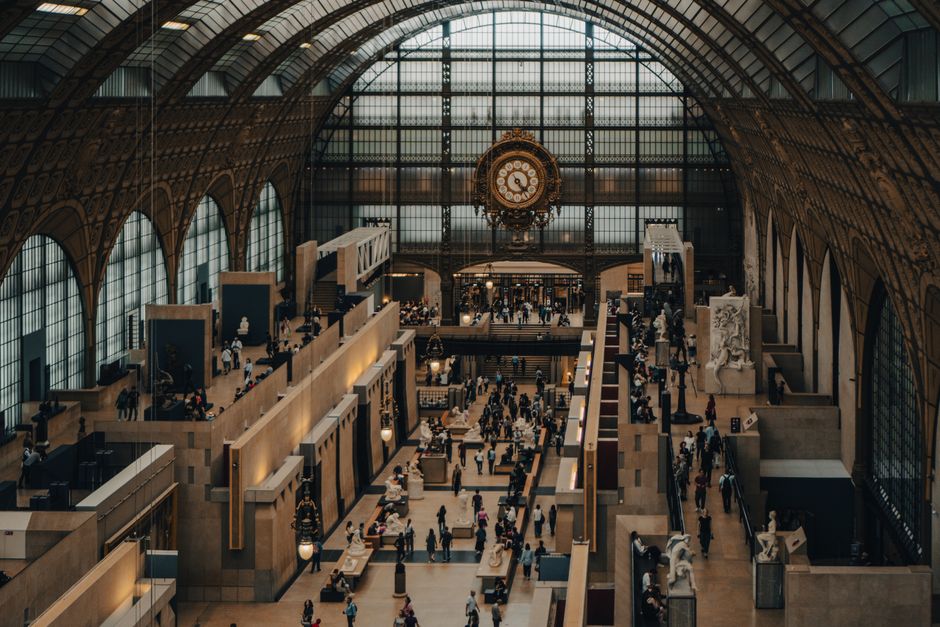
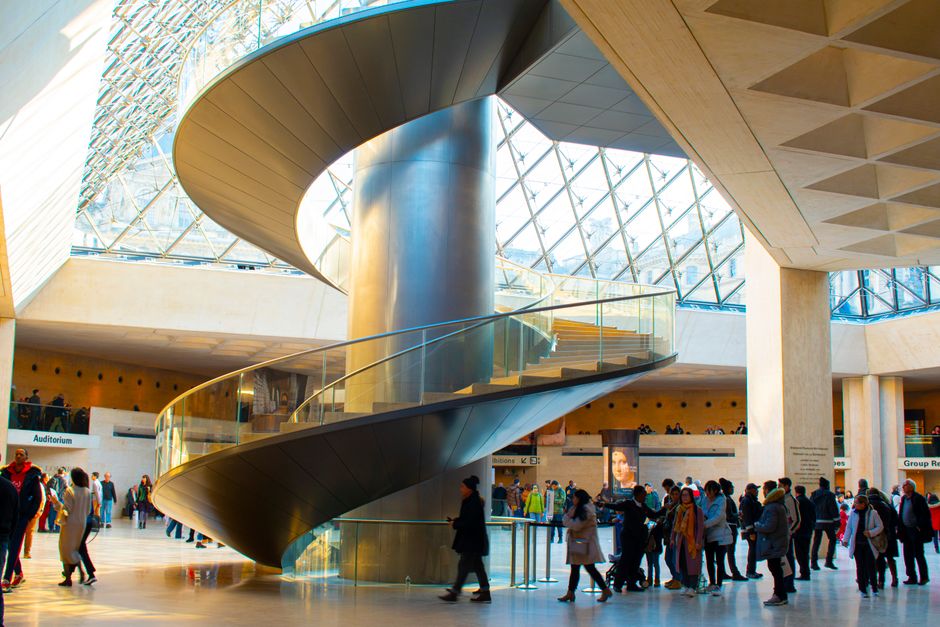
The shift is both quantifiable and visceral. Over the past three years, independent galleries have grown by 34% in neighbourhoods like Belleville and Canal Saint-Martin, according to the Paris Chamber of Commerce. Meanwhile, the traditional powerhouses—the Louvre, Musée d'Orsay, Centre Pompidou—maintain their gravitational pull, but increasingly find themselves in conversation with spaces like Galerie Thaddaeus Ropac on Rue de Turenne or the artist-run collectives scattered across the 20th arrondissement.
This isn't simply gentrification dressed in contemporary art's clothing. Rather, it reflects a deliberate recalibration. The Marais, historically the city's Jewish quarter and later its LGBTQ+ hub, now houses galleries that explicitly centre previously marginalised narratives. Rue des Francs-Bourgeois has become a microcosm of this shift: within a ten-minute walk, you'll find galleries showcasing African diaspora artists, queer curatorial projects, and digital media installations that would have been unthinkable here a decade ago.
The numbers tell part of the story. Museum attendance across Paris's major institutions reached 29 million visitors in 2025, but the real cultural conversation increasingly happens in smaller venues. Independent galleries now account for roughly 41% of contemporary art sales in the city, a dramatic reversal from 2015 figures.
Yet this renaissance exists in productive tension with Paris's weight of history. The city remains defined by its canonical institutions—the Musée Picasso, the Musée Rodin—but those very spaces are being challenged to evolve. This June, several major museums announced expanded contemporary acquisition budgets, signalling a recognition that cultural authority no longer flows unidirectionally from institution to public.
What's emerging is a Paris that doesn't reject its legacy but rather demands it share space with new voices. The Belleville Walls street art festival attracts over 150,000 visitors annually. The experimental spaces around Rue Oberkampf have become pilgrimage sites for international curators seeking the next movement. Affordable studio rents—still lower than London or Berlin for similar square footage—continue to draw artists who might otherwise be priced out.
This is what cultural identity looks like in 2026: not a monument to be preserved, but a living conversation. Paris, it seems, is finally ready to listen.
This article was compiled by AI from the sources linked above and screened before publishing. See our editorial standards.
How does this story make you feel?
Spread the word
About this article
Published by The Daily Paris
Daily brief
Free, in your inbox before 7am. Weekdays.
More in culture