How a Marais Collective Turned a Defunct Theatre into Paris's Most Ambitious Summer Festival
Behind Juillet Urbain's explosive growth lies a decade-long gamble by neighbourhood activists who refused to let a 1920s cinema become luxury flats.
Behind Juillet Urbain's explosive growth lies a decade-long gamble by neighbourhood activists who refused to let a 1920s cinema become luxury flats.
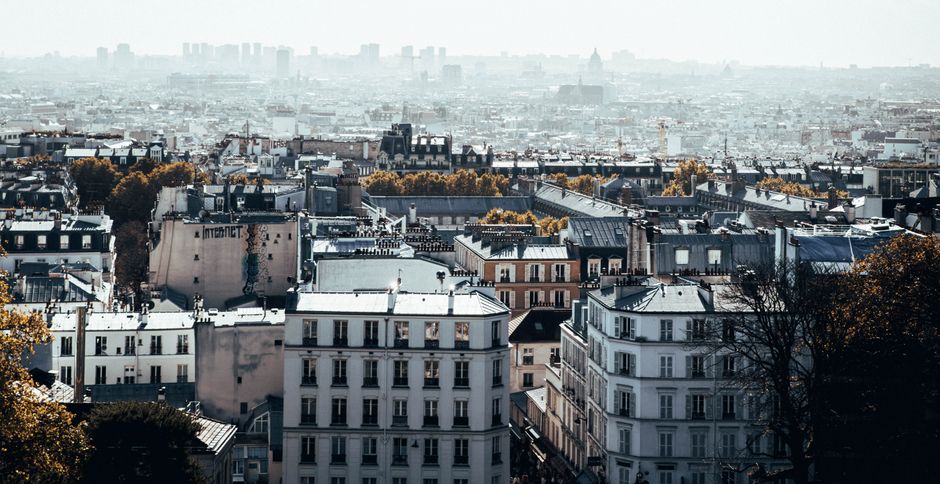
The Cinéma du Marais, a 380-seat art deco venue on rue de Turenne, sat dark for three years. By 2016, its future seemed sealed: developers circled, permits were filed, and the neighbourhood's cultural landscape appeared destined to shrink further. But a group of residents, artists, and unemployed theatre technicians had other plans.
What began as an illegal occupation—a weekend of guerrilla projections and acoustic performances—evolved into Juillet Urbain, now Paris's most unexpected midsummer celebration. Today, as the festival enters its eleventh edition, it sprawls across five Marais venues, attracts 12,000 attendees, and operates on a volunteer-run model that generates roughly €180,000 in annual economic activity for the neighbourhood's small businesses.
The architects of this transformation were unlikely culture brokers. Maryse Bellefleur, a former cinema projectionist, joined with Nicolas Varin, an architect who had been sleeping in a squat on rue des Blancs-Manteaux, and Chloé Mansart, a young programmer who worked nights at a nearby bookshop. None had formal festival experience. What they shared was fury—and a conviction that Paris's marbled corridors of cultural power had forgotten the 11th arrondissement.
The early years were precarious. The Cinéma's owners, intrigued rather than hostile, allowed provisional programming. The collective worked without salary. Early budgets were salvaged through crowdfunding campaigns that pulled in €3,500 per year. Yet by 2022, the venue's ownership changed hands to a cooperative structure, with the festival's founders granted a ten-year stewardship agreement—a rarity in Paris's property-obsessed landscape.
Today, Juillet Urbain has become a case study in grassroots cultural resilience. Its programme balances established artists with emerging voices—typically 60 per cent homegrown programming, 40 per cent invited. Ticket prices remain deliberately modest, averaging €12 for evening events. The festival employs seventeen part-time staff, all drawn from the neighbourhood, and trains volunteers from local banlieue communities.
As Paris's official cultural calendar grows ever more corporate—major festivals now frequently sponsored by luxury conglomerates—Juillet Urbain's insistence on DIY logistics and radical accessibility feels increasingly countercultural. The collective's next battle: fending off a proposed hotel development two blocks away that threatens rehearsal space for the festival's emerging artist residency programme.
What began as desperation has become a template. Other Paris quartiers now look to Marais with quiet envy, watching how a defunct cinema became a cultural anchor for an entire community.
This article was compiled by AI from the sources linked above and screened before publishing. See our editorial standards.
How does this story make you feel?
Spread the word
About this article
Published by The Daily Paris
Daily brief
Free, in your inbox before 7am. Weekdays.
More in culture


