Paris Street Art Districts: What Visitors Should Know and the Must-See Highlights
From legal murals to hidden passages, here's how to navigate the city's thriving creative neighbourhoods like a seasoned art hunter.
From legal murals to hidden passages, here's how to navigate the city's thriving creative neighbourhoods like a seasoned art hunter.
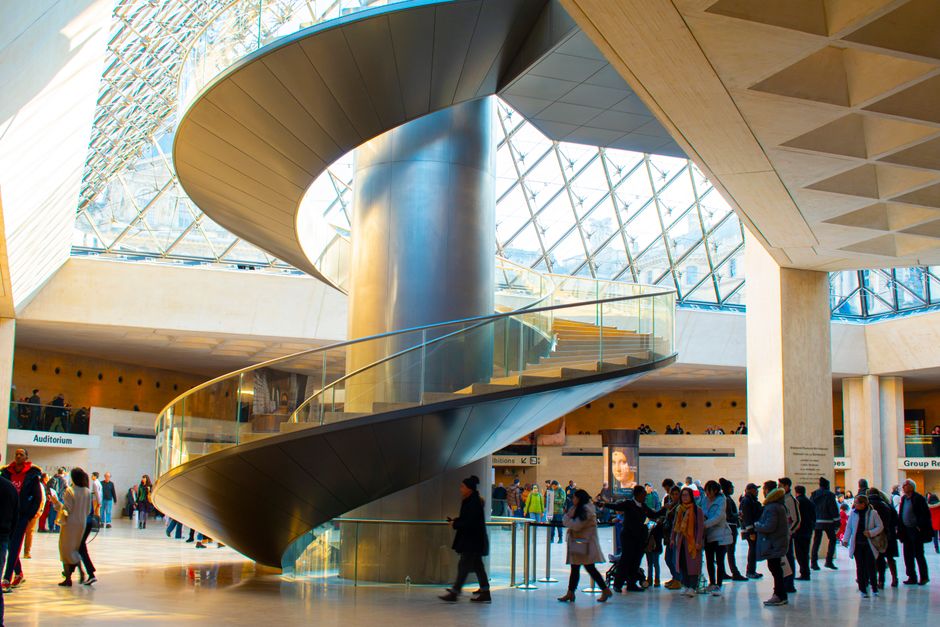
Paris's street art renaissance has transformed entire districts into open-air galleries, drawing design enthusiasts and graffiti historians from across the globe. Unlike the monolithic gallery circuit, these neighbourhoods offer raw creativity, cultural commentary, and architectural interventions that define contemporary urban culture. For first-time visitors, knowing where to go—and what to expect—separates a memorable tour from a disappointing one.
The 13th arrondissement remains the epicentre of Paris's legal street art movement. The neighbourhood around the former Abattoirs (slaughterhouses) between Avenue d'Ivry and Rue de Tolbiac hosts some of Europe's most ambitious murals, with pieces regularly refreshed through initiatives like the Paris Street Art festival. Expect to spend two to three hours exploring this area; entry is free, though specialised walking tours run €18–25 per person through local operators.
Belleville, straddling the 10th, 11th, and 20th arrondissements, offers a grittier, more spontaneous aesthetic. Rue Dénoyez—closed to traffic and transformed into a pedestrian creative zone—showcases constantly evolving works by local and international artists. The neighbourhood's working-class heritage means you'll find politically charged pieces alongside playful character art. Cafés here average €3–4 for espresso, making it ideal for lingering between photography sessions.
For design-conscious visitors, the Marais's contemporary galleries bridge institutional and street contexts. While not purely street art, galleries like Artazart and Galerie Thaddaeus Ropac integrate street culture with curated exhibitions. The Jewish quarter's narrow lanes also feature unexpected stencil work and paste-up traditions dating back decades.
Canal Saint-Martin, particularly around Rue des Récollets, has emerged as a secondary hub where younger artists experiment with technique. The waterside setting creates photogenic compositions, and the area naturally connects to nearby café culture without feeling over-touristed.
Practical guidance: visit during daylight hours (9am–5pm offers optimal lighting and safety), wear comfortable walking shoes, and download offline maps—connectivity varies across districts. Photography is generally welcome, though always ask permission when artists are actively working. Spring and autumn provide ideal conditions, with summer bringing crowds that can obstruct sightlines.
The city's street art isn't merely decorative—it reflects conversations about gentrification, migration, climate, and identity. This context transforms a walk into cultural literacy, explaining why a seemingly simple mural might spark heated local debate or celebrate neighbourhood resilience.
This article was compiled by AI from the sources linked above and screened before publishing. See our editorial standards.
How does this story make you feel?
Spread the word
About this article
Published by The Daily Paris
Daily brief
Free, in your inbox before 7am. Weekdays.
More in culture
