The Essential Guide to Paris's Restaurant and Bar Scene: What Visitors Must Know Before You Dine
From Michelin-starred dining to neighbourhood bistros, here's how to navigate the capital's food culture like a seasoned insider.
From Michelin-starred dining to neighbourhood bistros, here's how to navigate the capital's food culture like a seasoned insider.
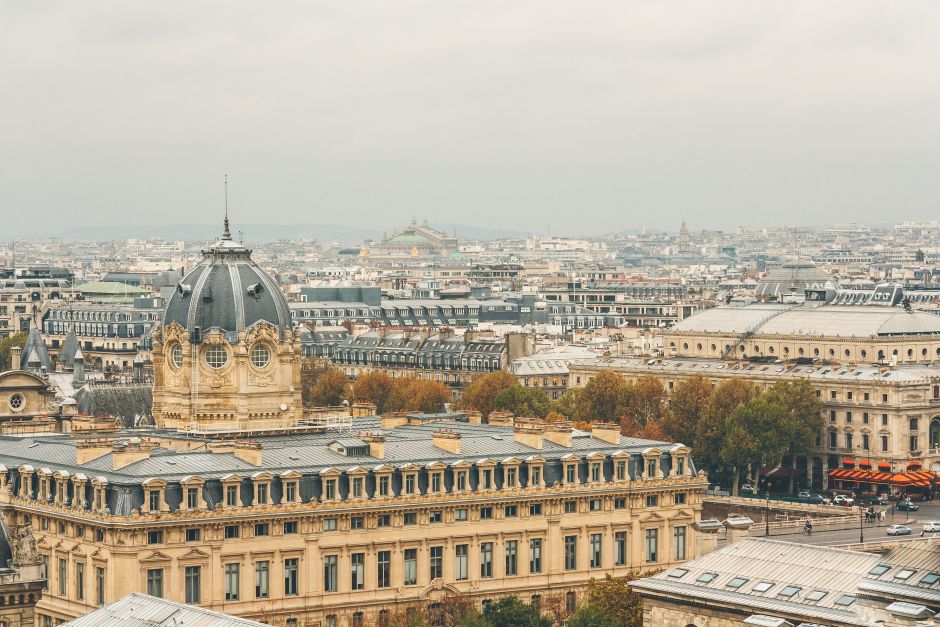
Paris's gastronomic reputation precedes it, yet first-time visitors often stumble into tourist traps on the Champs-Élysées or miss the authentic neighbourhood experiences that define how Parisians actually eat. Understanding the city's dining culture—its rhythms, economics, and hidden gems—transforms a meal from a checkbox into a genuine cultural encounter.
Start with the basics: dinner service runs late here. Restaurants typically open at 7 p.m., with most locals dining between 8 and 10 p.m. Arriving earlier than 8 p.m. marks you as a tourist. Budget accordingly—a respectable bistro meal costs €25–€45 per person, while Michelin-starred establishments range from €80 to €250+. The Michelin Guide remains influential, though younger chefs increasingly reject the system, particularly around the Marais and Canal Saint-Martin districts where experimental cuisine thrives.
The Left Bank's Latin Quarter remains crowded with mediocre tourist restaurants, but venture into the 13th arrondissement and you'll discover an emerging food scene centred on Rue Nationale and Place d'Italie, with Vietnamese, Chinese, and African cuisines reflecting genuine immigration patterns. The 11th arrondissement—particularly around Oberkampf—buzzes with natural wine bars and neo-bistros run by young chefs rejecting classical French orthodoxy.
Wine culture deserves special mention. France consumes 56 litres of wine per capita annually, and Paris's natural wine movement has exploded since 2010. Bars like those clustered near Rue Mouffetard offer bottles at €20–€50, with expert sommeliers who welcome questions. Avoid restaurant markups by visiting dedicated wine shops like La Belle Hortense in the Marais, which pairs wine with literature.
Boulangeries define daily life—bakeries outnumber Starbucks by a factor of twenty. Queue at Poilâne on Rue Cherche-Midi for bread that tastes like Paris, or embrace neighbourhood options where croissants cost €1.50. The tradition of buying fresh ingredients daily for lunch and dinner remains strong, though supermarket culture is slowly encroaching.
Practical advice: book reservations online through TheFork, which offers 20–50 per cent discounts at participating restaurants. For casual dining, arrive without reservations before 7:30 p.m. Service charges are included in prices; tipping 5–10 per cent is appreciated but not obligatory. Markets like Marché Bastille (Thursdays and Sundays) and Rue Cler offer authentic glimpses into Parisian food shopping.
The city's restaurant scene remains democratic—exceptional food exists at every price point. The skill lies in knowing where locals actually eat.
This article was compiled by AI from the sources linked above and screened before publishing. See our editorial standards.
How does this story make you feel?
Spread the word
About this article
Published by The Daily Paris
Daily brief
Free, in your inbox before 7am. Weekdays.
More in culture