From Zinc Counters to Farm-to-Table: How Paris Reinvented Its Restaurant and Bar Culture
A century of transformation has reshaped the City of Light's dining scene from working-class bistros to haute cuisine laboratories.
A century of transformation has reshaped the City of Light's dining scene from working-class bistros to haute cuisine laboratories.
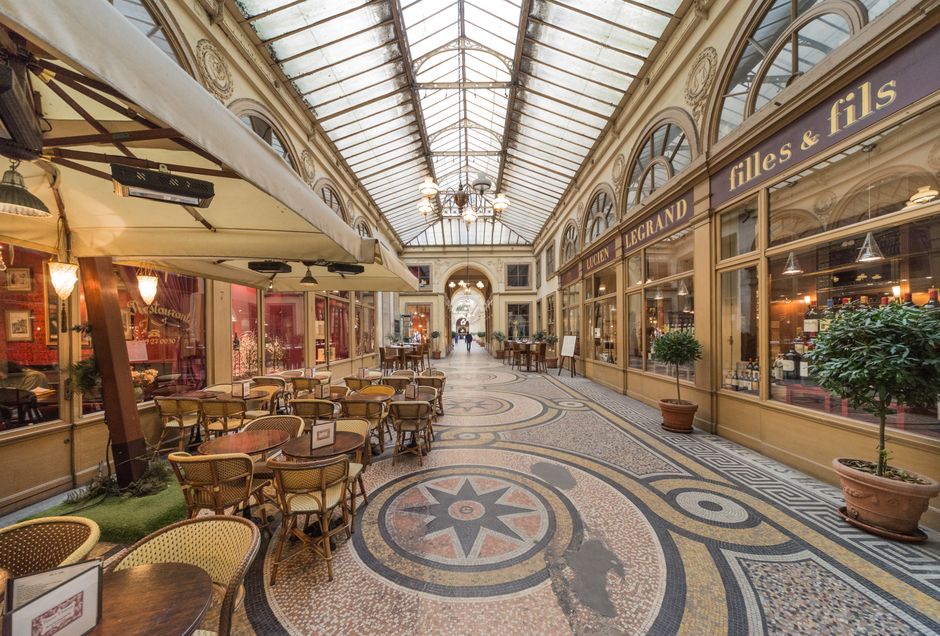
Walk down Rue de Rivoli today and you'll encounter a Paris dining landscape unrecognisable from a generation ago. Yet the bones of the current scene—one now worth €18 billion annually to the capital's economy—remain rooted in the Belle Époque tradition of the neighbourhood café-bar as democratic gathering space.
The 1920s saw Paris establish itself as Europe's gastronomic capital, with establishments like Brasserie Lipp in Saint-Germain-des-Prés becoming intellectual salons where writers, artists and philosophers debated culture over oysters and Alsatian beer. This model—restaurant as social stage—proved resilient through the post-war decades, even as working-class bistros in the Marais and 11th arrondissement served cheap red wine and steak frites to labourers and shopkeepers.
The turning point came in the late 1990s, when a generation of chefs—tired of Michelin's stranglehold on fine dining—began opening casual restaurants in previously overlooked neighbourhoods. Canteen culture exploded. Belleville, long derided as provincial, suddenly became ground zero for natural wine bars and wood-fired pizza joints. By 2010, the average dinner bill at a neighbourhood bistro had doubled since 2000, yet the concept had democratised: anyone could now access sophisticated food without reservations made six months in advance.
The 2020 pandemic accelerated an already-emerging trend toward hyper-locality. Permanent closure rates hit 12 per cent across the hospitality sector, but survivors were those embedding themselves in neighbourhood networks. Today, the most celebrated venues—places like the wine bar circuit in the 2nd arrondissement or the Japanese-fusion restaurants proliferating around Rue Oberkampf—succeed by refusing anonymity.
Data from the Paris Chamber of Commerce reveals the shift: in 2000, 67 per cent of restaurants employed fewer than five staff; today that figure is 41 per cent. Investment has consolidated, yet diversified. Michelin's 2026 guide awards stars to 82 Paris establishments, but the real energy lies in the 4,200-plus independent venues operating at €25-50 per head.
What hasn't changed is the philosophical primacy of the table itself. Whether you're drinking pastis at a zinc counter in the 10th, or sampling heirloom vegetables at a €95-tasting menu in Marais, the Parisian restaurant remains what it has always been: a stage for human connection, dressed up in whatever century's clothes happen to fit.
This article was compiled by AI from the sources linked above and screened before publishing. See our editorial standards.
How does this story make you feel?
Spread the word
About this article
Published by The Daily Paris
Daily brief
Free, in your inbox before 7am. Weekdays.
More in culture