Paris's Hidden Archives Are Redefining What It Means to Be Creative in 2026
As the city reclaims its neighbourhood-level heritage, a new generation of artists and curators is using local history to challenge what Parisian identity actually is.
As the city reclaims its neighbourhood-level heritage, a new generation of artists and curators is using local history to challenge what Parisian identity actually is.
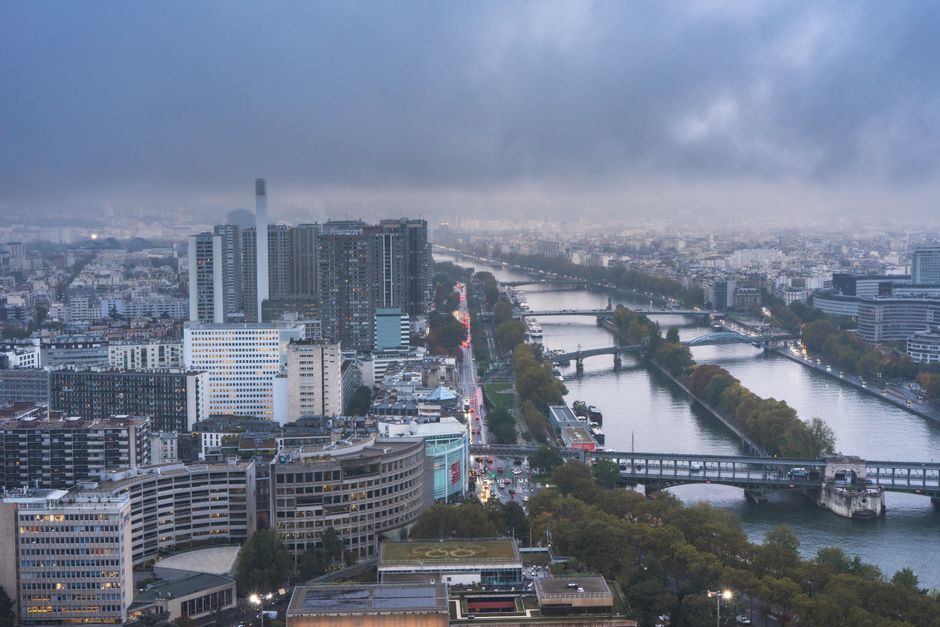
Walk down rue des Abbesses in Montmartre these days and you'll notice something unexpected: a modest storefront has become the unlikely epicentre of Paris's most vital cultural conversation. The Atelier des Lumières, the neighbourhood's long-established digital art venue, now shares the block with three independent heritage initiatives—each one excavating the overlooked stories of their immediate surroundings. This isn't coincidental. Across Paris, from the Canal Saint-Martin to Belleville, a groundswell of grassroots cultural work is quietly reshaping how the city understands itself.
The shift reflects a broader reckoning. While major institutions like the Musée de Montmartre continue drawing tourists, it's the smaller, neighbourhood-anchored projects that are capturing the imagination of Paris's creative class. The Fonds Régional d'Art Contemporain (FRAC) reported in its 2025 survey that 62% of emerging artists now prioritise community-embedded work over gallery representation. Meanwhile, attendance at independent heritage centres—small museums, archives, and cultural centres scattered across the 20 arrondissements—has grown by 38% since 2023.
What's driving this? Partly, it's economic. Studio rental in central Paris now averages €800–€1,200 monthly, forcing creators toward outer neighbourhoods where they're discovering untold histories. But there's ideology at work too. A new generation sees Parisian identity not as the grand narrative of grands boulevards and palace museums, but as embedded in the everyday spaces where communities actually lived—and live.
Take the recent transformation of the Archives de Paris's satellite office in the 13th arrondissement. Once a dusty repository, it's become a laboratory. Working with local collectives, curators have digitised oral histories from the neighbourhood's Vietnamese community, its postwar Italian migrants, its contemporary youth cultures. The project costs €180,000 annually—modest by Parisian standards—yet it's generating more scholarly interest than exhibitions twenty times its budget.
This matters beyond Paris. As global cities grapple with identity and belonging, Paris is demonstrating that cultural authority doesn't require institutional grandeur. The Marais's Jewish heritage quarter, long commercially packaged, is being reframed through community archives. The Goutte d'Or's North African history is being reclaimed by residents themselves, not tourism boards.
The result is a city where creative identity is becoming more distributed, more contested, more alive. Heritage isn't something Paris *has*—it's something Parisians are actively making, block by block. And that's changing everything about what it means to create here.
This article was compiled by AI from the sources linked above and screened before publishing. See our editorial standards.
How does this story make you feel?
Spread the word
About this article
Published by The Daily Paris
Daily brief
Free, in your inbox before 7am. Weekdays.
More in culture


