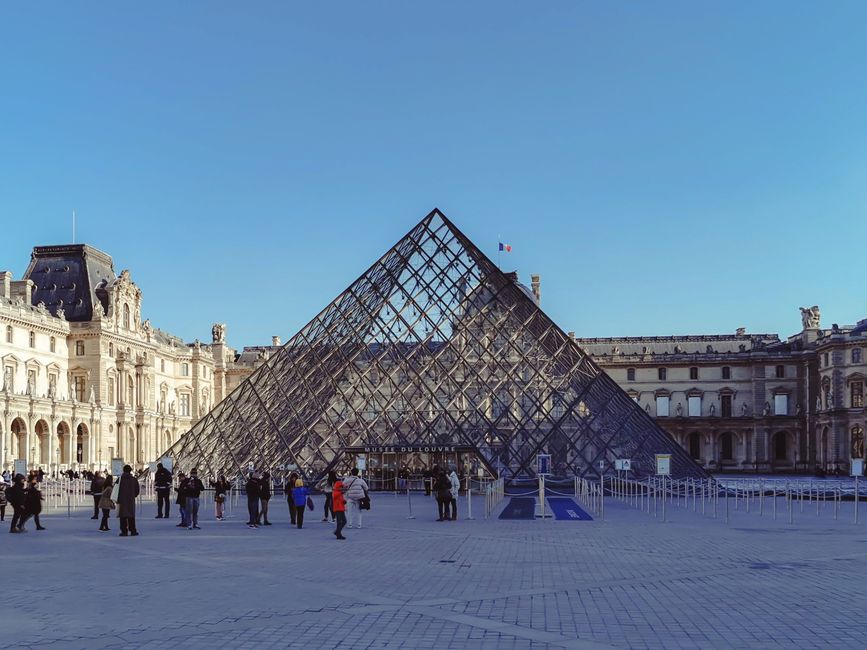
Walk through the Marais on any evening this June, and you'll encounter something Paris's grand institutions can no longer claim sole ownership of: the city's creative pulse. Street musicians occupy Place des Vosges until midnight. Independent theatre collectives transform parking lots into immersive performance spaces. Food trucks serving Senegalese-French fusion cuisine line Rue de Turenne. This democratization of culture—once the exclusive preserve of the Louvre and Opéra Garnier—now defines how Parisians experience their city.
The shift became visible three years ago but crystallized this season. Major festivals have deliberately decentralized, moving beyond traditional Left Bank venues. The annual Festival du Marais, now in its expanded format, activates seventeen neighbourhood zones simultaneously rather than concentrating programming in prestige locations. Attendance figures tell the story: 340,000 visitors across June, up 23 per cent from 2024, with roughly 60 per cent discovering performances in unexpected locations.
This reflects a conscious repositioning. The Belleville neighbourhood—historically working-class, immigrant-majority—now hosts the expanded Paris Street Art Festival, legitimizing spray-paint muralism as integral to the city's visual identity rather than peripheral to it. Canal Saint-Martin, once overlooked, now features the Seine-Marne Floating Culture series, where independent choreographers and musicians perform on barges and riverside installations. Tickets range from €8 to €25, deliberately accessible pricing that contrasts sharply with major venue pricing (€80+ for comparable performances at Châtelet or Palais Garnier).
Cultural organizations have noticed. The Atelier des Lumières, the digital art collective that pioneered immersive experiences, now collaborates directly with neighbourhood associations rather than working exclusively through major venues. Their July programming—featuring emerging artists from Seine-Saint-Denis—signals a fundamental shift in gatekeeping.
What distinguishes this moment from previous attempts at cultural democratization is sustainability. These aren't one-off initiatives but now-embedded calendar fixtures. The Nuit Blanche model, which once felt experimental, has been absorbed into regular festival programming. The Mairie de Paris allocated €4.2 million to neighbourhood-specific cultural programming in 2026, up from €1.8 million in 2023.
The identity emerging isn't Paris-as-museum but Paris-as-laboratory. A city where Congolese musicians perform in 11th arrondissement community centres, where Vietnamese street artists guide workshops in Chinatown, where experimental dance happens in repurposed industrial spaces. This isn't heritage tourism. It's living culture, actively produced and continuously contested—which is precisely what makes it genuinely Parisian.
This article was compiled by AI from the sources linked above and screened before publishing. See our editorial standards.