Concrete Supply Chain Sydney: New Tech Connects Quarry to Pour
Sydney's concrete supply chain uses new tracking technology to connect quarries, batching plants, transport and construction sites into one transparent system.
Sydney's concrete supply chain uses new tracking technology to connect quarries, batching plants, transport and construction sites into one transparent system.
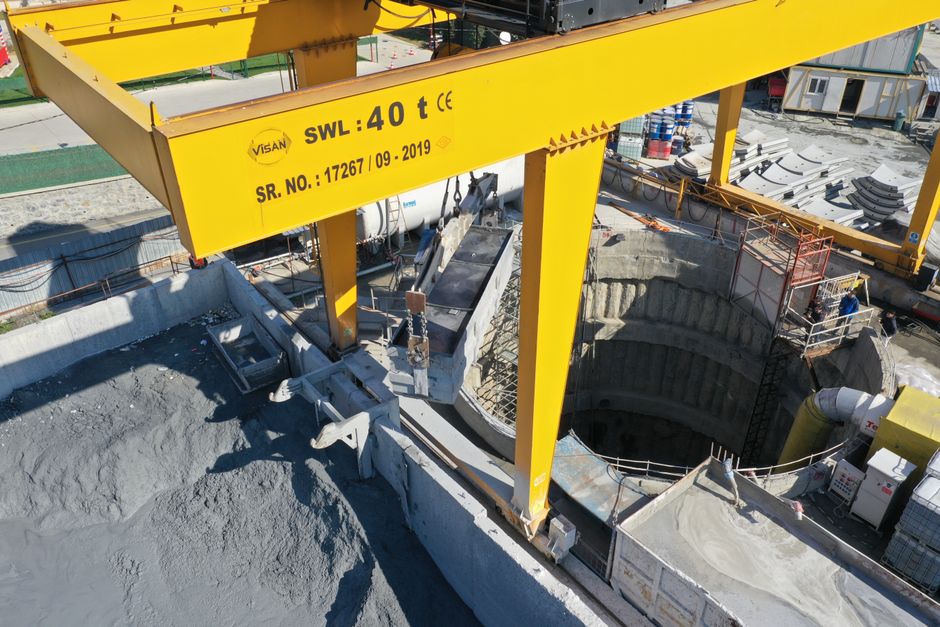
Concrete is the most-used building material on earth, yet the chain that delivers it — quarry, crushing plant, batching, transport and pour — has historically run on a patchwork of disconnected systems. A wave of supply-chain technology is now trying to join those links into a single, trackable flow from quarry to pour.
Each stage of the journey traditionally kept its own records. The quarry tracked extraction, the batching plant tracked mixes, the transport operator tracked trucks, and the site tracked pours — rarely in the same system. When something went wrong, reconciling those separate ledgers after the fact was slow and imprecise.
Connecting the chain means a tonne of aggregate can be followed from the quarry stockpile through batching and on to the slab it ends up in. That traceability supports quality assurance, tighter scheduling and faster dispute resolution, and it gives operators the data to optimise the whole flow rather than each link in isolation.
The commercial logic is the same one driving digitisation across heavy materials: in a low-margin, high-volume business, the operators who can see the entire chain are best placed to take cost and waste out of it. For Australia's major east-coast construction markets, quarry-to-pour visibility is becoming a competitive baseline rather than a novelty.
This article was compiled by AI from the sources linked above and screened before publishing. See our editorial standards.
How does this story make you feel?
Spread the word
About this article
Published by The Daily Sydney
Daily brief
Free, in your inbox before 7am. Weekdays.
More in Business