Sydney's Office Reckoning: The Landlords and Operators Banking on Transformation
As traditional CBD vacancies surge past 12%, a new breed of property players is quietly profiting from the structural shift reshaping how and where Sydney works.
As traditional CBD vacancies surge past 12%, a new breed of property players is quietly profiting from the structural shift reshaping how and where Sydney works.
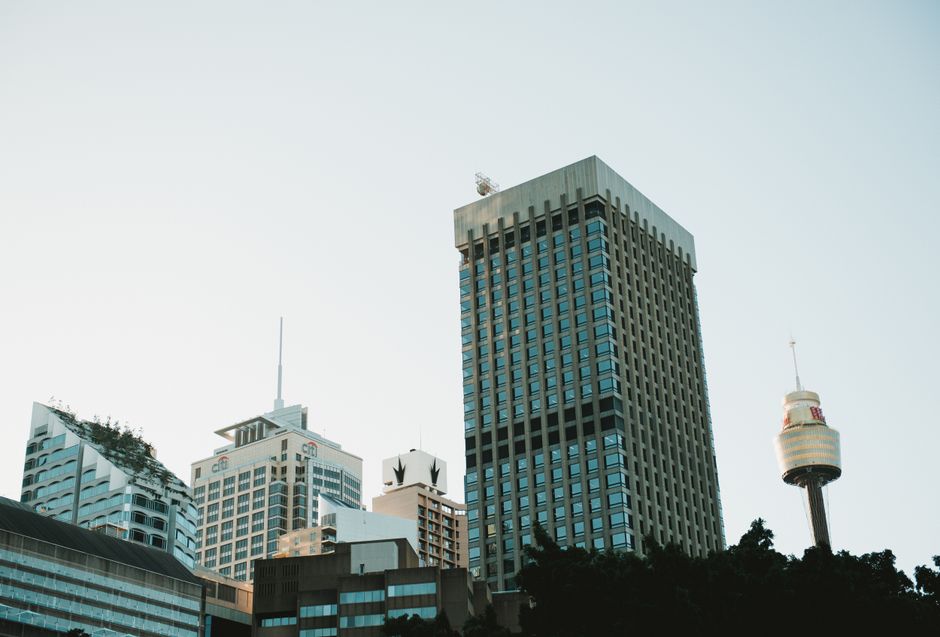
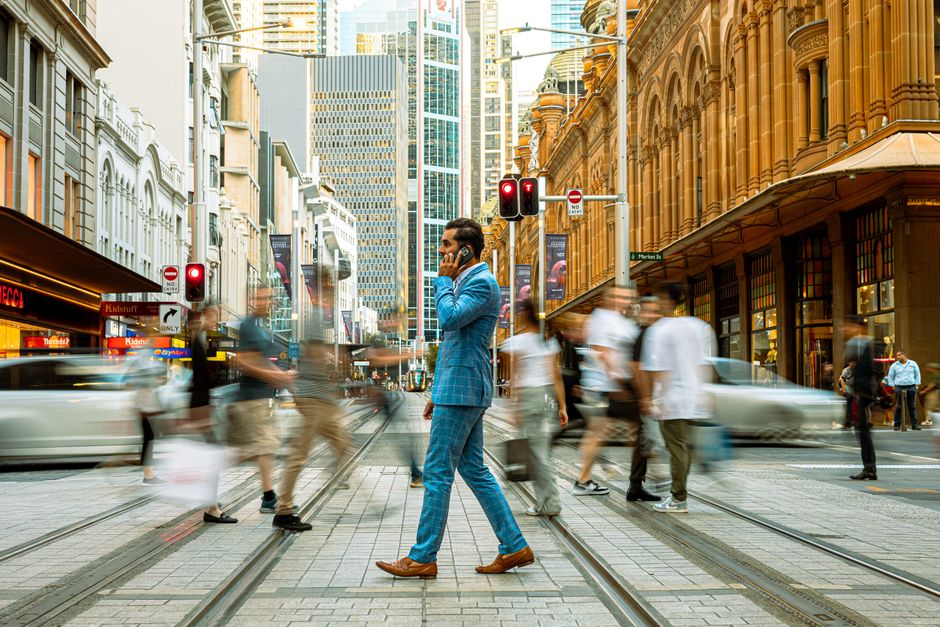
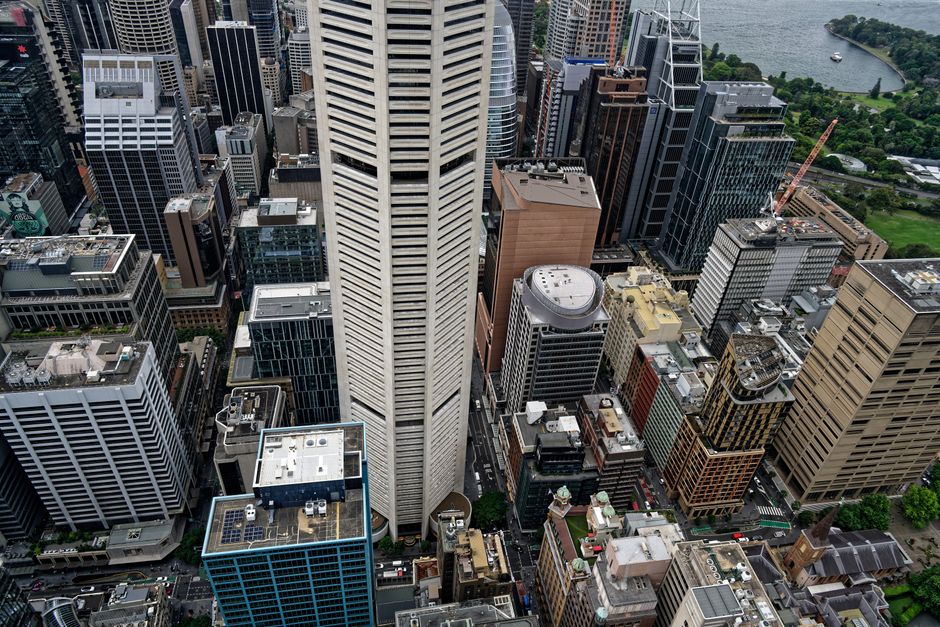
The Sydney CBD office market has reached an inflection point. Vacancy rates have climbed to their highest levels in over a decade, with major precincts from Barangaroo to Pitt Street grappling with surplus space. Yet while larger institutional landlords wrestle with headwinds, a distinct cohort of operators and boutique property groups are positioning themselves to capture significant value from this dislocation.
The numbers tell a story of bifurcation. While Grade-A towers in the CBD struggle with leasing momentum, emerging opportunities are crystallising in secondary and tertiary precincts—and in the conversion and adaptive reuse space. Operators who secure aging office stock in inner-ring suburbs like Redfern, Surry Hills, and Marrickville are accessing yields that would have been unthinkable twelve months ago. Small to medium enterprises, particularly in tech, creative services, and professional services, are increasingly fleeing premium CBD rents in favour of character warehouse spaces that offer flexibility and community proximity.
Co-working and flexible workspace operators have been among the early beneficiaries. Companies managing portfolios across Ultimo, Chippendale, and Darling Harbour have reported stronger-than-expected demand from corporate clients seeking decentralised, on-demand capacity. These operators profit not from ownership but from operational control—managing leases, community programming, and ancillary services that generate margin above raw rental income.
Residential conversion specialists are also winning. Councils across Sydney's inner west have relaxed zoning restrictions, making office-to-residential conversions more economically viable. Developers with land holdings and conversion expertise in areas like Ultimo and Green Square have seen project velocities accelerate. The arbitrage—acquiring aging office stock at depressed valuations and converting to residential or mixed-use precincts—has become a legitimate wealth creation pathway.
Property investment groups with patient capital and operational sophistication are another winner class. Rather than compete in the trophy asset space, they're acquiring mid-tier office buildings, repositioning them with lower rents, shorter lease terms, and serviced amenities, then holding for structural appreciation. This strategy banks on the premise that suburban office clusters—enabled by hybrid work norms—will eventually stabilise at lower but sustainable occupancy levels.
The macro story is clear: the pandemic accelerated work-from-home trends that financial markets were slow to price in. Sydney's office market is recalibrating, and that recalibration is brutal for passive landlords but lucrative for operators with flexibility, insight, and capital. The next two years will likely see further consolidation, but the opportunities for active, intelligent capital allocation remain substantial.
This article was compiled by AI from the sources linked above and screened before publishing. See our editorial standards.
How does this story make you feel?
Spread the word
About this article
Published by The Daily Sydney
Daily brief
Free, in your inbox before 7am. Weekdays.
More in Business